
Plants
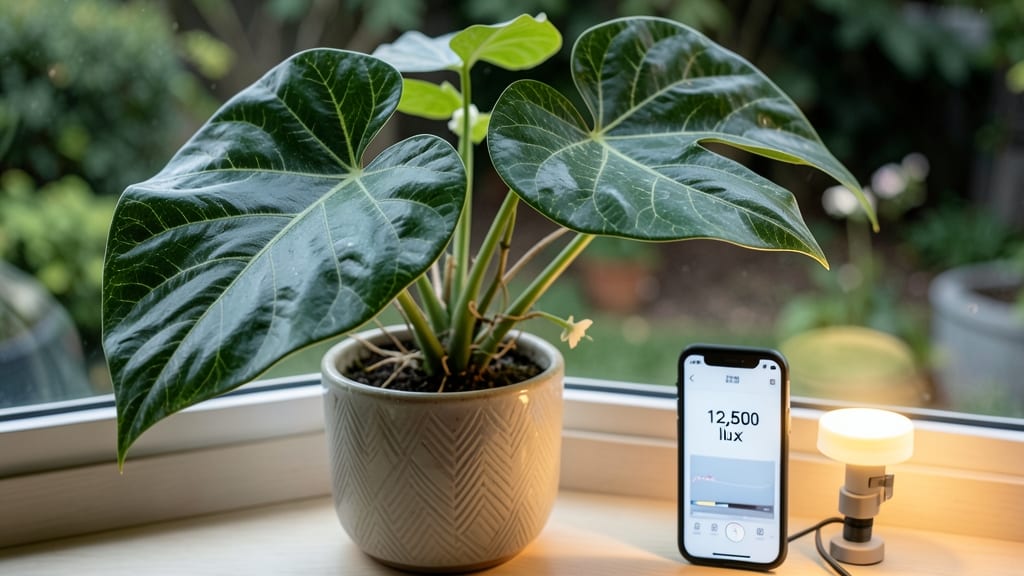
If you’re wondering how much light does an arrowhead plant need, the answer might be simpler than you think—because this adaptable houseplant thrives best with 4-6 hours of bright, indirect sunlight daily.
Picture this: your Arrowhead Plant perched near an east-facing window, basking in gentle morning rays while avoiding harsh afternoon sun. That’s the sweet spot for most growers in USDA Zone 6a, where spring’s soft light creates perfect conditions.
Too little light, and you’ll see leggy stems reaching for any scrap of brightness. Too much direct sun, and those stunning leaves start crisping at the edges.
Here’s the good news: even if your space lacks ideal natural light, we’ll show you how to mimic those perfect conditions with simple adjustments. Whether you’re dealing with yellowing leaves or stretched-out growth, you’ll learn exactly how to tweak your plant’s environment for lush, vibrant foliage all year round.
Let’s break down the science behind Arrowhead Plant lighting—so you can finally stop guessing and start growing with confidence. Your plant’s future depends on it!

Optimal light requirements for arrowhead plants: east-facing windows and bright indirect sunlight
Arrowhead plants (Syngonium podophyllum) thrive in bright indirect light, making them perfect for east-facing windows where morning sun gently illuminates leaves without harsh afternoon rays. Aim for 4-6 hours of light daily—this sweet spot keeps foliage vibrant while preventing sunburn.
Too little light causes leggy growth, while too much leads to crispy edges.
An east-facing window is ideal because it provides soft morning sunlight (6 AM–12 PM) without the intense heat of west-facing exposure. If you notice yellowing leaves or stretched stems, your plant craves more light. Conversely, brown patches or bleached foliage mean it’s getting too much direct sun.
Seasonal adjustments matter! In summer, filter light with sheer curtains to protect leaves from intense midday rays. During winter, supplement with a grow light if natural light drops below 4 hours daily. Even north-facing windows can work if placed 2-3 feet away from the glass.
Direct sunlight is a no-go—even 1-2 hours of afternoon sun can scorch delicate arrowhead leaves. Instead, position your plant 3-5 feet from a south-facing window or use a sheer curtain to diffuse harsh light. Think of it like a sunbathing rule: gradual exposure is key!
| Light Condition | Ideal Hours | Window Placement | Seasonal Notes |
|---|---|---|---|
| Bright Indirect | 4-6 hours | East-facing, 2-3 ft from glass | Best year-round |
| Low Light | <2 hours | North-facing or 5+ ft from window | Use grow lights |
| Direct Sun | >2 hours | West/south-facing, no filter | Risk of leaf burn |
For fast-growing varieties like Syngonium podophyllum ‘White Butterfly’, 6 hours of light fuels lush foliage. In low-light conditions, growth slows, and leaves may lose their arrowhead shape, becoming elongated. Rotate your plant quarter-turn weekly to ensure even light exposure—this prevents lopsided growth and keeps stems sturdy.
Pro tip: If your arrowhead plant develops deep green leaves, it’s likely starved for light. Move it closer to a window or add a reflective surface (like a mirror) to bounce extra light onto the leaves.
Conversely, pale or yellow leaves signal too much sun—immediately shift it to a shadier spot.
Outdoor gardeners can place arrowhead plants in partial shade (dappled sunlight) during spring and fall. In summer, provide afternoon shade with a lattice or umbrella to mimic its indoor preferences.
The key is consistency: arrowhead plants adapt slowly to light changes, so gradual adjustments yield the best results.
Remember, light quality matters more than quantity for arrowhead plants. A cool, bright room with indirect light is preferable to a warm, dim corner. Test your plant’s happiness by observing leaf color: rich green with variegation means you’ve nailed the light balance!
🌿
Optimal light requirements for arrowhead plants: east-facing windows and bright indirect sunlight
Arrowhead plants (Syngonium podophyllum) thrive best with 4-6 hours of bright indirect light daily. This means positioning them near an east-facing window where morning sun gently filters through, avoiding harsh afternoon rays that can scorch delicate leaves.
Think of it like giving your plant a sunrise spa session without the midday heat.
Direct sunlight—especially from south or west-facing windows—can cause brown leaf tips or crispy edges, while too little light leads to stretched, leggy growth. The key is finding that golden balance where leaves stay vibrant and compact.
Most indoor spaces achieve this naturally with 2-3 feet of distance from an east-facing glass.
🌱
| Light Condition | Ideal Hours | Best Window | Seasonal Adjustments |
|---|---|---|---|
| Bright Indirect | 4-6 hours | East-facing | Spring/Summer: 3-4 ft back |
| Low Light | 2-3 hours | North-facing | Winter: Move closer to light |
| Direct Sun | >6 hours | South/West | Use sheer curtain filter |
In winter months, when sunlight is weaker, consider rotating your plant quarter-turns weekly to ensure even growth. If your space lacks natural light, grow lights become your best friend—more on that in our next section! For now, remember: morning sun is your arrowhead’s happy hour.
If you notice yellowing leaves or stunted growth, it’s time to reassess placement. A simple trick is to test your plant’s light by observing its leaves: dark green and upright means it’s content; pale and stretching means it’s begging for more light. Adjust gradually to avoid shocking the plant.
For outdoor enthusiasts, arrowhead plants can adapt to partial shade gardens but still prefer dappled sunlight under trees. Just avoid placing them in full shade, where they’ll struggle to photosynthesize efficiently. Think of it as giving your plant a shady patio with a side of sunshine.
☀️