
Plants
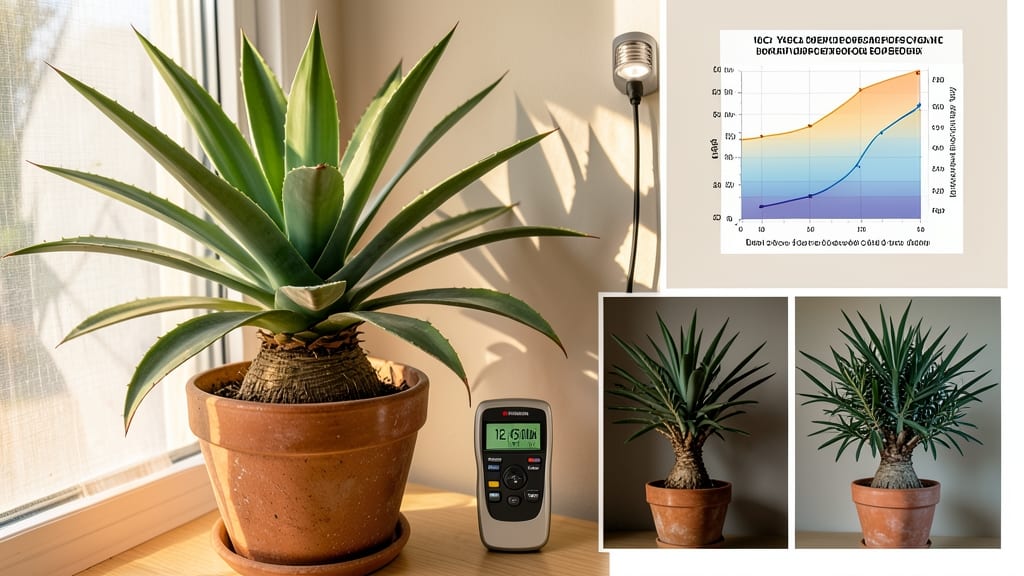
Yucca plant light requirements: the ideal sunlight balance for healthy growth
Yucca plants thrive in bright, direct sunlight, but their exact needs vary by variety. Most species, like the popular Yucca elephantipes, require 6 to 8 hours of full sun daily to maintain their vibrant foliage and compact growth.
Without enough light, these plants stretch and develop leggy stems, a clear sign of light deprivation. Interestingly, some varieties, such as Yucca filamentosa, can tolerate partial shade in hotter climates, but they still need at least 4 hours of direct sunlight to prevent weak growth.
Understanding the intensity of sunlight is just as important as duration. Yuccas love harsh, unfiltered light, which is why they’re perfect for south-facing gardens or container placements near sunny walls.
In regions with intense midday sun, like the Southwest U.S., yuccas can handle it—just ensure the soil drains well to prevent root rot from excess moisture. If you notice yellowing or crispy leaf tips, it might be a sign of too much sun, especially in high-heat climates.
| Variety | Ideal Sunlight | Tolerance for Shade | Signs of Stress |
|---|---|---|---|
| Yucca elephantipes (Spineless Yucca) | 6-8 hours full sun | Poor; leggy growth | Yellowing leaves, elongated stems |
| Yucca filamentosa (Adam's Needle) | 5-6 hours full sun | Moderate; tolerates partial shade | Pale foliage, weak stems |
| Yucca rostrata (Beaked Yucca) | 6+ hours full sun | None; needs intense light | Brown leaf tips, stunted growth |
For gardeners in cooler climates, like USDA Zones 5-7, yuccas can benefit from morning sun and afternoon shade during peak summer months to prevent heat stress. This gradual exposure helps them acclimate without shocking the plant.
If you’re growing yuccas in containers, rotate the pots every few weeks to ensure even light exposure on all sides. Uneven light can cause lopsided growth, where one side stretches toward the sun while the other remains stunted.
One common misconception is that yuccas can thrive in any amount of light as long as it’s bright. While they’re drought-tolerant, they’re not low-light champions.
In indoor settings, place yuccas within 3 feet of a south-facing window or supplement with a grow light for 12-14 hours daily. Without adequate light, indoor yuccas may develop soft, pale leaves and become more susceptible to pests like spider mites, which thrive in dry, shaded conditions.
To maximize photosynthesis efficiency, yuccas need direct sunlight that penetrates their leaves. If you’re using artificial grow lights, opt for full-spectrum LEDs placed 6-12 inches above the plant. These lights mimic the high-intensity sunlight yuccas crave outdoors.
For outdoor plants, avoid dense foliage overhead, like tall trees, which can cast deep shade and block essential light. Instead, position yuccas where they can receive unobstructed sunlight for most of the day.
Seasonal adjustments are key, especially in transition months like spring and fall. In early spring, yuccas may need gradual sun exposure to avoid sunburn after winter dormancy. Start with 2-3 hours of morning sun and slowly increase their time in full sun over 2-3 weeks.
Conversely, in late summer, reduce midday sun exposure if your yucca shows signs of heat stress, such as wilting or brown patches. Mulching around the base with gravel or organic matter can help regulate soil temperature and reduce stress.
If you’re unsure whether your yucca is getting enough light, observe its growth patterns over a few weeks. Healthy yuccas have upright, stiff stems and glossy, green leaves.
If you notice stretched stems or leaves growing toward the light source, it’s time to move the plant to a sunnier spot.
Conversely, if leaves develop white or yellow patches, it may be sunburned, and you should provide afternoon shade or increase water slightly to help the plant recover.
For urban gardeners with limited space, consider dwarf yucca varieties like Yucca smalliana, which tolerate partial shade better than larger species. These varieties are ideal for balconies or small patios where full sun isn’t always available.
Pair them with light-colored containers to reflect extra light onto the plant, which can make a noticeable difference in their growth rate and overall health.
Remember, yuccas are adaptable but not flexible—they prefer consistency in light exposure. Sudden changes, like moving a potted yucca from indoor shade to full sun, can cause leaf scorch or wilting. Always acclimate plants gradually to avoid shock.
With the right light balance, your yucca will reward you with bold foliage and minimal care requirements, making it a standout addition to any garden or indoor space.
How to adapt Yucca care for low-light or indoor environments (without sacrificing health)
If you love yuccas but live in a shaded apartment or low-light zone, don’t despair! While these plants thrive in full sun, they can adapt to partial shade with the right adjustments.
The key is choosing the right yucca variety and supplementing light where possible. For example, Yucca elephantipes (spineless yucca) tolerates lower light better than Yucca filamentosa, making it ideal for indoor growers.
Indoor yuccas need bright, indirect light near south-facing windows. If natural light is limited, grow lights (12-14 hours daily) can mimic sunlight. Place the light 12-18 inches above the plant to prevent stretching. Avoid cool-white LEDs—warm or full-spectrum bulbs work best for photosynthesis efficiency.
For outdoor shaded spots, opt for dwarf varieties like Yucca rostrata (beaked yucca), which handles 3-4 hours of filtered light daily. Pair this with well-draining soil and minimal watering to prevent root rot from excess moisture in low-light conditions.
⚠️ Low-Light Warning
Yuccas in low light will show leggy growth and pale leaves—signs of stretching toward any available light. If this happens, rotate the plant quarter-turns weekly to encourage even growth. Avoid fertilizing until you’ve moved the plant to brighter conditions, as excess nutrients worsen light stress.
Container-grown yuccas in low light need faster drainage than outdoor plants. Use a cactus/succulent mix with perlite or pumice to prevent soggy soil. Water only when the top 2 inches of soil are dry, and always use a pot with drainage holes.
Overwatering in low light is a common killer—yuccas rot faster when they can’t photosynthesize efficiently.
To boost growth, supplement with humidity (40-50% range) using a pebble tray or humidifier. Low humidity mimics desert conditions but helps prevent crispy leaf edges. Mist leaves lightly in the morning to avoid fungal issues, but avoid wetting the soil directly.
Prune yellow or brown leaves immediately—they drain energy from healthy growth.
If your yucca starts leaning dramatically, it’s begging for more light. Move it gradually (over 1-2 weeks) to avoid sunburn from sudden exposure. Outdoor yuccas in partial shade may need seasonal adjustments: provide morning sun only in hot climates to prevent leaf scorch.
With these tweaks, your yucca can thrive even without 6+ hours of direct sun!