
Plants
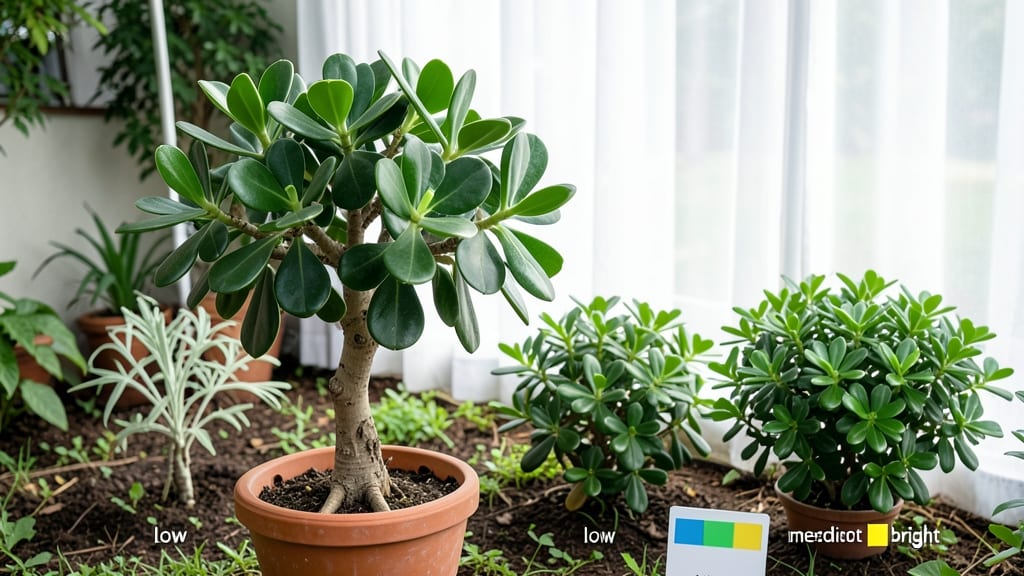
Ideal sunlight requirements for jade plant growth
The jade plant (Crassula ovata) thrives in bright indirect light, making it perfect for sunny windowsills or outdoor spots with dappled shade. While it can tolerate direct sunlight, too much can scorch its thick, succulent leaves.
Think of it like a sunbather—it loves warmth but needs protection from harsh rays. Indoor growers should aim for 4-6 hours of sunlight daily, while outdoor plants can handle more if gradually acclimated.
For indoor jade plants, east- or west-facing windows are ideal because they provide gentle morning or afternoon sun without the intensity of midday rays. South-facing windows work too, but place your plant 3-4 feet away to avoid leaf burn.
If your home lacks natural light, supplement with a grow light (12-14 hours/day) to mimic ideal conditions. Outdoor plants, on the other hand, can bask in morning sun and afternoon shade, especially in hot climates.
Here’s the golden rule: bright light without direct sun is the sweet spot for jade plants. This balance ensures compact growth, vibrant foliage, and minimal stress. Without enough light, stems stretch (a sign of etiolation), and leaves pale—while too much causes crispy, brown edges.
Let’s dive into the specifics to help you nail the perfect light setup for your jade plant.
| Condition | Indoor Requirements | Outdoor Requirements |
|---|---|---|
| Light Type | Bright indirect light (east/west window) | Morning sun + afternoon shade |
| Daily Hours | 4-6 hours | 6-8 hours (gradual exposure) |
| Window Placement | 2-3 feet from glass | Partial shade under trees |
| Signs of Too Much Sun | Brown, crispy leaf edges | Sunburn spots on leaves |
| Signs of Too Little Sun | Stretched, leggy stems | Pale, weak growth |
Seasonal changes also affect your jade plant’s light needs. In summer, when sunlight is most intense, move indoor plants away from windows or use sheer curtains to diffuse light. Outdoor plants may need afternoon shade to prevent heat stress.
Conversely, in winter, when daylight shortens, supplement with a grow light or rotate your plant to ensure all sides get equal exposure. This prevents uneven growth and keeps your jade plant looking lush year-round.
Pro tip: Rotate your jade plant quarter-turns every 2-3 weeks to ensure even light exposure. This prevents one side from leaning toward the sun, which can make your plant grow lopsided.
Think of it like turning a page in a book—both sides need equal time in the light to stay balanced. Uneven light exposure is a common issue, but it’s easily fixed with this simple habit.
If you’re unsure whether your jade plant is getting enough light, observe its leaves. Healthy jade leaves are thick, glossy, and vibrant green. If they’re stretching toward the light or turning pale, it’s time to adjust its position.
On the flip side, if leaves develop brown patches or crispy edges, it’s getting too much direct sun. The key is to monitor and adjust, just like fine-tuning a recipe until it’s perfect.
For outdoor cultivation, jade plants thrive in USDA Zones 9-11, where they can enjoy year-round growth. In cooler zones, treat them as tender perennials and bring them indoors before frost. When outdoors, place them in well-draining soil and avoid soggy conditions, which can lead to root rot.
Pair their light needs with proper soil and watering, and you’ll have a jade plant that’s the envy of every gardener.
Remember, jade plants are succulents, so they store water in their leaves. This means they’re naturally drought-tolerant, but their light needs remain critical. A well-lit jade plant will reward you with compact growth, thick leaves, and even blooms (though flowering is rare indoors).
With the right light balance, your jade plant can thrive for decades—some even live over 100 years with proper care!
Start by placing your jade plant in the brightest spot you can find without direct sun, then observe and adjust. Within a few weeks, you’ll see the difference in its health and vigor. Happy growing!
Ideal sunlight requirements for jade plant growth
Jade plants (Crassula ovata) thrive in bright indirect light, making them perfect for east or west-facing windows. These succulents can tolerate direct sunlight, but prolonged exposure—especially midday rays—can cause leaf burn or yellowing.
Think of their natural habitat: rocky, sun-drenched cliffs where they receive dappled sunlight. For indoor plants, aim for 4-6 hours of filtered light daily to keep foliage vibrant and compact.
Outdoor jade plants adapt well to full sun in cooler climates (like USDA Zones 9-11), but in hotter regions, they’ll need afternoon shade to prevent stress. If you notice stretched stems or pale leaves, your plant is craving more light.
Conversely, brown patches or crispy edges signal too much direct sun. The key is balance—mimic their natural environment as closely as possible.
| Light Condition | Ideal Duration | Best For | Signs of Stress |
|---|---|---|---|
| Bright Indirect Light | 4-6 hours/day | Indoor plants, cool climates | Stretching, pale leaves |
| Morning Sun + Afternoon Shade | 6+ hours/day | Outdoor plants, hot climates | Brown patches, crispy edges |
| Low Light | <2 hours/day | North-facing windows | Leggy growth, weak stems |
For indoor growers, rotate your jade plant every 2-4 weeks to ensure even light exposure. If your home lacks natural light, supplement with a grow light (LED or fluorescent) positioned 6-12 inches above the plant for 12-14 hours daily.
Avoid placing jade plants near drafty windows or heating vents, as temperature fluctuations stress them. In summer, watch for heat stress—move pots away from glass if the surface feels hot to the touch.
Outdoor jade plants should be acclimated gradually to full sun. Start by placing them in partial shade for a week, then gradually increase exposure.
If you’re growing in containers, use terracotta pots—they wick away moisture and prevent root rot, a common issue when jade plants get too much sun and water simultaneously. Always ensure drainage holes are present to avoid soggy soil, which compounds light-related stress.
Seasonal adjustments are crucial. In spring and fall, jade plants love morning sun, but in summer, they’ll appreciate afternoon shade, especially in Zone 9+. During winter, reduce light exposure slightly—2-3 hours of indirect light is sufficient—as growth slows.
If your plant starts dropping leaves in winter, it’s likely reacting to low light or cold drafts. Move it to a warmer, brighter spot and reduce watering.
Pro tip: Use a light meter (or your phone’s light app) to check intensity. Jade plants thrive in 3,000-5,000 lux of light. If readings drop below 2,000 lux, supplement with artificial light.
For outdoor plants, mulch around the base with gravel or pebbles to reflect light and improve root health. With the right light balance, your jade plant will reward you with thick, glossy leaves and compact, bushy growth—the hallmark of a happy succulent!