
Plants
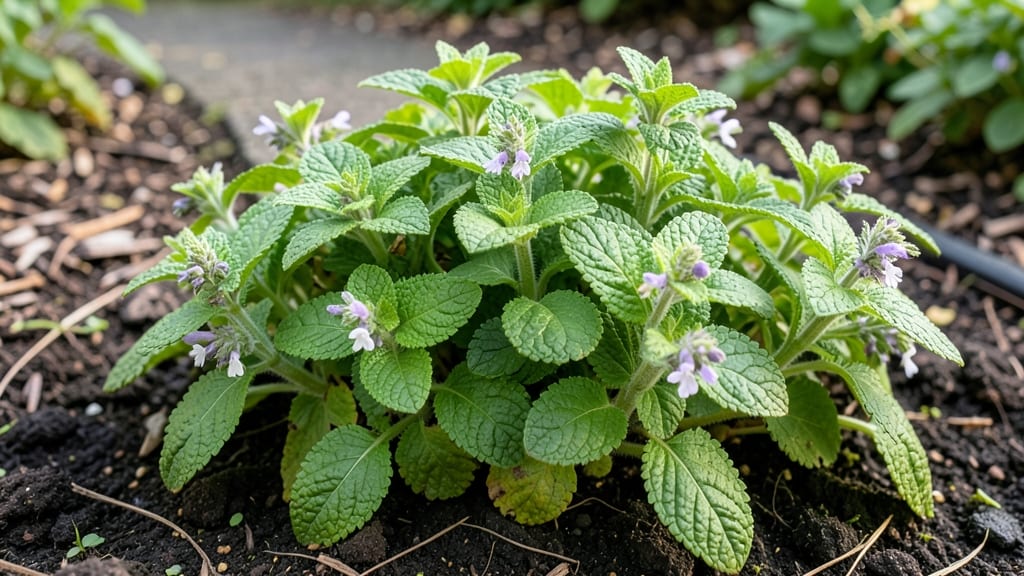
If your 🌿 mint plant looks more like a sad, leggy shadow than a thriving herb, you’re not alone—most gardeners guess wrong about how much light it really needs.
The truth? Mint thrives in 4-6 hours of morning sun, but too much afternoon glare or dim corners can turn your kitchen herb into a floppy mess.
Here’s the game-changer: mint loves bright, indirect light, but it hates harsh afternoon rays that scorch its leaves. Whether you’re growing it in your 6a zone garden or a sunny windowsill, getting the balance right is the key to lush, flavorful leaves.
Let’s fix that before your mint turns into a science experiment.
You’ll discover why partial shade works best, how to spot light stress (yellowing, wilting, or slow growth), and easy fixes for indoor setups. No more guesswork—just vibrant mint ready for your next tea or recipe.
Ready to transform your spring-planted mint into a powerhouse? The secrets start with light, and I’ve got the exact formula to make it happen.

Optimal light requirements for mint plants: why 4-6 hours of morning sun works best
Mint plants thrive in bright, indirect light, but their ideal conditions often get misunderstood. Unlike sun-loving herbs like basil, mint prefers partial shade—specifically, 4 to 6 hours of morning sunlight paired with afternoon shade.
This balance prevents leaf scorch while ensuring robust growth and flavor development. Understanding this distinction is key to avoiding leggy, weak plants or those that bolt too quickly.
The science behind mint’s light needs lies in its photosynthesis efficiency. Mint plants evolved to grow under dappled forest light, where sunlight filters through canopies. Too much direct afternoon sun (especially in hot climates) can cause oxidative stress, turning leaves yellow or crispy.
Meanwhile, insufficient light leads to stretched stems and pale foliage—a classic sign of etiolation, where plants seek light desperately.
For outdoor cultivation, position your mint in a spot that receives morning sunlight (6 AM–12 PM) and afternoon shade. A location near a north-facing wall or under 30% shade cloth works perfectly.
In containers, place them on a patio where they’ll get dappled sunlight from nearby trees. If your garden gets intense afternoon sun, consider east-facing beds as the ideal compromise.
Indoor gardeners face a different challenge: most homes lack the bright indirect light mint craves. A south- or west-facing window with sheer curtains can work, but east-facing windows are often the best bet.
Avoid deep shade, like a north-facing window without supplemental light, as this leads to weak, flavorless mint. If your space is dim, grow lights become essential—more on that in our next section!
🌱 Mint Light Requirements Summary
| Requirement | Specification |
|---|---|
| Daily Sunlight | 4–6 hours (morning preferred) |
| Ideal Light Type | Bright indirect or dappled sunlight |
| Afternoon Sun Tolerance | Low (risk of leaf scorch) |
| Indoor Light Needs | East/west window + grow light if dim |
| Signs of Overlighting | Yellow/brown edges, crispy leaves |
| Signs of Underlighting | Leggy stems, pale leaves, slow growth |
One common misconception is that mint can thrive in full shade. While it tolerates low light better than many herbs, deep shade (like a north-facing window without light supplementation) leads to weak, flavorless growth.
The goal is bright indirect light, not darkness. Think of mint’s natural habitat: it often grows under tree canopies or along stream banks, where light is filtered but abundant.
To maximize flavor, prioritize morning sunlight. The cooler temperatures of early light help mint photosynthesize efficiently without overheating. If you’re growing spearmint or peppermint, this approach ensures richer essential oils, which is why chefs and tea blenders favor well-lit mint.
For container gardening, rotate pots weekly to ensure even light exposure—mint grows toward the light, so uneven exposure can lead to lopsided plants.
In regions with intense summer sun, like the Southwest U.S., mint may need afternoon shade protection. Use a lightweight shade cloth (30–50% shade) or place pots under a pergola to diffuse harsh rays.
Even 1–2 hours of direct afternoon sun can cause stress, so observe your plant’s reaction and adjust accordingly. Pro tip: White or light-colored containers reflect excess heat, helping roots stay cooler.
For those in colder climates (USDA Zones 3–5), mint can handle more direct light in summer, but winter light becomes the limiting factor. If your mint goes dormant or stops growing in winter, supplement with a grow light for 12–14 hours daily to maintain health.
This is especially critical for indoor mint, which lacks seasonal light variations.
Remember, the flavor of mint is directly tied to its light exposure. Plants grown in optimal conditions develop 2–3x more essential oils than those in low light, making them far more aromatic. So if your mint tastes mild or bland, it’s time to reassess its lighting situation.
The difference between mediocre mint and gourmet-quality mint often comes down to just a few hours of well-timed sunlight!
Optimal light requirements for mint plants: why 4-6 hours of morning sun works best
Mint plants thrive best with 4-6 hours of morning sunlight daily, making them ideal for gardeners with limited direct light exposure. Unlike sun-loving herbs, mint prefers bright indirect light or dappled shade, which prevents leaf scorch while ensuring robust growth.
This balance is key to developing that signature minty flavor and vibrant foliage.
The ideal scenario is placing your mint in a location that receives gentle morning rays (6 AM–12 PM) and afternoon shade. This mimics their natural habitat in shady woodland areas, where they avoid the harsh midday sun.
If you're growing mint outdoors, position it near a north-facing wall or under light trees to filter sunlight naturally.
| Light Condition | Sunlight Duration | Best For | Growth Impact |
|---|---|---|---|
| Morning Sun (6 AM–12 PM) | 4-6 hours | Outdoor pots, garden beds | Optimal growth, strong flavor |
| Partial Shade (Dappled Light) | 2-4 hours | Indoor windowsills, shaded patios | Healthy but slower growth |
| Full Sun (All Day) | 6+ hours | Hot climates, south-facing windows | Leaf scorch, weak flavor |
| Low Light (Indoor Only) | <2 hours | North-facing rooms, basements | Leggy growth, pale leaves |
Mint’s preference for morning sun isn’t just about avoiding damage—it’s tied to photosynthesis efficiency. The cooler morning temperatures allow mint to absorb light without overheating, while the blue and red light spectrums (found in morning sunlight) boost chlorophyll production.
This is why mint grown in full afternoon sun often develops yellowed or crispy edges, a clear sign of light stress.
For container gardeners, rotate your mint pot every 2-3 weeks to ensure even light exposure. This prevents one side from becoming overly stretched (a common issue called "etiolation") while the other remains stunted.
If you notice your mint leaning toward a window, it’s a clear cue to adjust its position or supplement with artificial light.
In regions with intense afternoon sun, provide afternoon shade using a lightweight shade cloth (30-50% coverage) or move pots to a covered patio. Even a few hours of protection can make the difference between a thriving mint plant and one struggling to survive.
The goal is to mimic the natural shade patterns mint experiences in the wild.
Remember, mint’s light needs are flexible but not extreme. While it can tolerate partial shade all day, growth will be slower, and flavor may weaken. For the best results, aim for that 4-6 hour morning sun window—your mint’s health and taste will thank you! 🌿☀️