
Plants
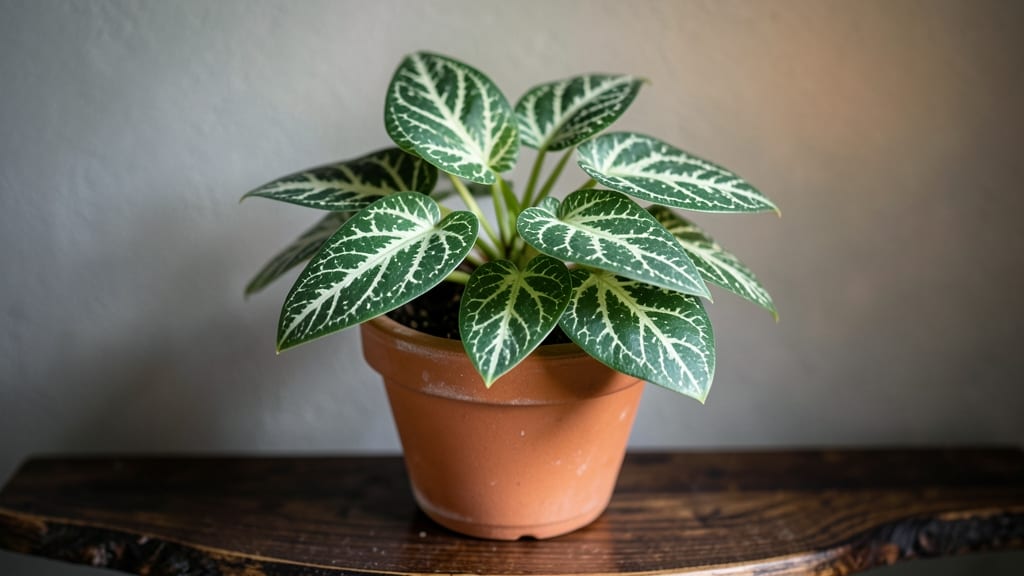
If your nerve plant 🌿 is losing those stunning variegated patterns or growing leggy, you’re probably missing the light balance it needs to thrive. This tropical beauty isn’t picky, but it does crave the right lighting conditions to keep its foliage vibrant and healthy.
Too little light, and you’ll notice dull colors or solid green leaves instead of the bold patterns you love. Too much direct sun, and those delicate leaves can scorch in no time. The key is finding that sweet spot—bright, indirect light that mimics its natural understory habitat.
Whether you’re dealing with a north-facing window or artificial grow lights, I’ll show you exactly how to set up the perfect lighting for your nerve plant. You’ll learn how to spot signs of stress and adjust your care routine to keep those striking patterns popping all year round.
From seasonal adjustments to troubleshooting common mistakes, this guide will help you create the ideal environment so your plant stays lush and full of character. Let’s get those leaves glowing again!

Ideal light requirements for nerve plant variegation: bright indirect light explained
The nerve plant (Fittonia) thrives on bright indirect light, which is the sweet spot for maintaining its stunning variegated foliage patterns. Too little light causes the leaves to lose their vibrant colors and stretch out, while too much direct sun can bleach or scorch the delicate foliage.
Understanding these light levels will help you create the perfect environment for your plant's health and beauty.
Think of bright indirect light as the equivalent of dappled sunlight under a tree canopy. This means placing your nerve plant near a window where it receives filtered sunlight—like an east-facing window or a few feet away from a south-facing window.
Avoid harsh midday sun, especially during summer months when UV rays are strongest.
If your nerve plant is struggling with dull or green leaves, it’s likely not getting enough light. The pink, white, or red veins that make this plant so eye-catching rely on adequate light to develop fully.
Without it, the plant may revert to solid green, losing its unique charm. On the other hand, if the leaves appear bleached or crispy, it’s a clear sign of too much direct sunlight.
Low light (e.g., a north-facing window or deep indoors) will cause your nerve plant to grow long and leggy, with sparse foliage. The variegation will fade, and the plant may become weak. In contrast, high light (direct midday sun) can cause the edges of the leaves to brown or turn white, a condition known as sunburn.
Here’s how to identify the signs of light stress in your nerve plant:
| Light Condition | Signs to Watch For | Solution |
|---|---|---|
| Low Light | Leaves turn dull green, stretch out, sparse growth | Move closer to a brighter window or use grow lights |
| Ideal Bright Indirect Light | Vibrant variegation, compact growth, healthy leaves | Maintain current position or adjust slightly for balance |
| Too Much Direct Sun | Bleached spots, crispy edges, yellowing leaves | Move to indirect light or add a sheer curtain |
The ideal light duration for a nerve plant is about 4-6 hours of bright indirect light per day. This mimics its natural habitat in the understory of tropical forests, where it receives filtered sunlight.
If you’re unsure about your home’s light conditions, observe your plant’s response over a few weeks. Adjust its position gradually to avoid shocking the plant with sudden changes.
For those with limited natural light, artificial grow lights can be a game-changer. LED grow lights with a full spectrum (4000K-6500K) are ideal for supplementing light during shorter winter days.
Position the light 6-12 inches above the plant and provide 12-14 hours of light per day to mimic daylight conditions. This setup ensures your nerve plant gets the consistent light it needs to maintain its stunning patterns.
Remember, nerve plants are tropical, so they thrive in humid environments with moderate temperatures. Pairing the right light conditions with 50-60% humidity and 65-75°F temperatures will give your plant the best chance to flourish.
With the right balance, your nerve plant will reward you with bold, vibrant foliage that’s the envy of any plant collection.
If you notice your plant’s leaves losing their variegation or becoming leggy, it’s time to reassess its light exposure. Small adjustments—like rotating the pot quarter-turns every few weeks—can help ensure even growth and prevent the plant from leaning toward the light source.
Consistency is key to keeping your nerve plant happy and healthy.
🌿
Ideal light requirements for nerve plant variegation: bright indirect light explained
Your nerve plant (Fittonia) thrives on bright indirect light, which brings out its stunning variegated patterns. Without enough light, those beautiful veins fade to dull green, while too much direct sun causes crispy edges. The key is mimicking its tropical understory habitat—think dappled sunlight filtering through leaves.
Think of bright indirect light as the sweet spot: 4-6 hours daily of filtered sunlight. This could be an east-facing window where morning light is gentle, or a west-facing spot with afternoon shade. Avoid harsh midday sun, which can bleach the foliage and stress the plant.
🌱 Did You Know? Nerve plants naturally grow under canopy trees in their native South American rainforests, where they receive diffused light but never scorching rays.
| Light Condition | Effects on Nerve Plant | Solution |
|---|---|---|
| Low Light (North Window) | Leaves stretch, lose variegation, appear pale | Move closer to window or add grow lights |
| Bright Indirect (East/West) | Vibrant patterns, healthy growth, compact leaves | Ideal placement—no adjustments needed |
| Direct Sun (South Window) | Brown edges, crispy leaves, bleached patterns | Use sheer curtain to filter light or move 3+ feet away |
Watch for visual cues like etiolated growth (long, leggy stems) or bleached edges—these scream your plant needs a light adjustment. Rotate your plant quarter-turn weekly to ensure even exposure and prevent lopsided growth.
If your home lacks natural light, LED grow lights with a cool white spectrum (5000-6500K) work wonders. Position them 6-12 inches above the plant and provide 12-14 hours of light daily to compensate for weak windows.
For south-facing windows, use a sheer curtain to diffuse the intensity. Place your nerve plant 3-4 feet back from the glass—this mimics the filtered sunlight it craves in its natural habitat.