
Plants
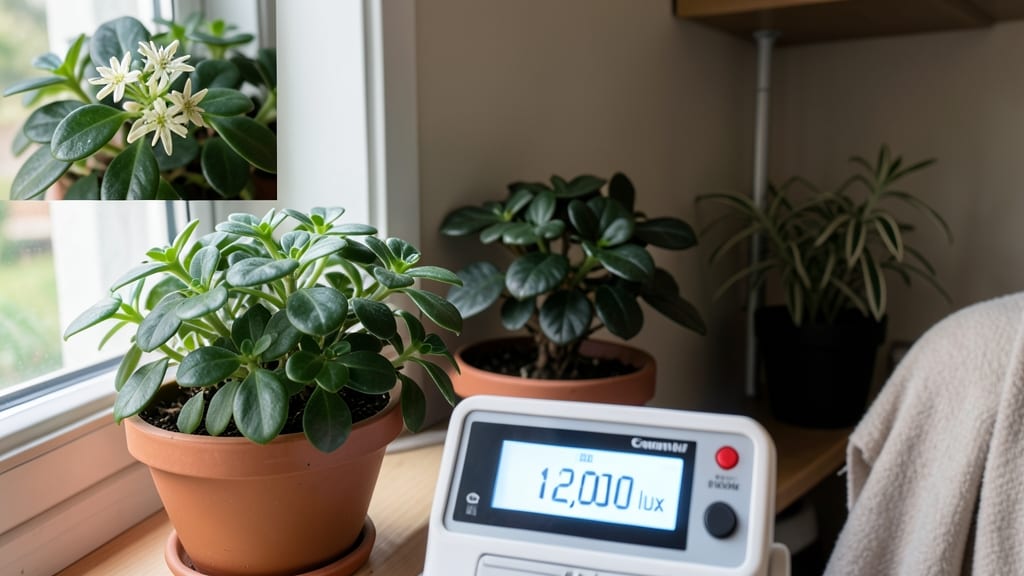
If your Hoya 🌿 plant is struggling, the issue might be simpler than you think—how much light does a Hoya plant need is the key to unlocking its full potential.
This waxy-leaved beauty thrives in bright indirect light, but too much direct sun or too little can turn your lush vines into a sad, leggy mess.
I’ve seen countless Hoyas suffer from light-related stress, and the good news is that once you dial in the right conditions, your plant will reward you with stunning foliage and fragrant blooms.
Whether you’re dealing with a sunburnt leaf or a plant stretching desperately toward the window, understanding the exact light needs of your Hoya is the first step to revival.
From 4 to 6 hours of bright, filtered light per day is ideal, but not all Hoyas are created equal. Some varieties handle lower light better than others, and knowing how to adjust for your specific plant can make all the difference.
Let’s break down the science so you can give your Hoya the perfect light setup—indoors or out.
You’ll discover how to spot the signs of over- or under-lighting, where to place your plant for optimal growth, and even how to transition it safely if you’re changing its environment. With these tips, your Hoya won’t just survive—it’ll flourish.

Hoya plant light requirements: ideal hours by variety type
Hoya plants thrive in bright indirect light, but their exact needs vary by variety. Most Hoyas tolerate 4-6 hours of filtered sunlight daily, while some varieties like Hoya carnosa can handle slightly more. Understanding these differences helps prevent common issues like leaf scorch or stunted growth.
The key is replicating their natural understory habitat. In the wild, Hoyas grow on trees where they receive dappled sunlight—never harsh midday rays. This means positioning your plant near an east or north-facing window is ideal for most varieties, especially in USDA Zone 6a climates.
Hoya kerrii, also known as the "Sweetheart Plant," is the most light-tolerant variety and can adapt to low-light conditions better than others. However, even this variety will reward you with healthier foliage and blooms when given bright indirect light for at least 4 hours daily.
Visual stress signs appear quickly when light needs aren't met. Too little light causes pale, leggy growth and small leaves, while too much direct sun leads to yellowing edges and brown spots. These indicators help you adjust lighting before permanent damage occurs.
Hoya obovata and Hoya linearis varieties are particularly sensitive to direct sunlight. Their thin, delicate leaves burn easily, so they need even gentler light conditions—think sheer curtains over an east-facing window or 2-3 feet back from a north window.
| Variety | Ideal Light Conditions | Stress Signs | Best Placement |
|---|---|---|---|
| Hoya carnosa | 4-6 hours bright indirect | Brown leaf tips, slow growth | East or north window, 2-3 ft back |
| Hoya kerrii | 3-5 hours bright indirect | Leggy stems, pale leaves | West window with sheer curtain |
| Hoya obovata | 2-4 hours gentle indirect | Sunburn spots, crispy edges | North window or under grow lights |
| Hoya linearis | 3-5 hours filtered light | Yellowing leaves, weak stems | East-facing shelf with diffused light |
For indoor growers, grow lights are a game-changer when natural light is insufficient. A LED grow light with a cool white spectrum (5000-6500K) placed 6-12 inches above your Hoya provides the perfect bright indirect light equivalent. Run it for 10-12 hours daily to mimic a full sun cycle.
Outdoor Hoyas need seasonal adjustments. During spring and fall, they can handle morning sun and afternoon shade. But in summer's intense heat, even Hoya carnosa may need afternoon shade to prevent leaf scorch. A simple 50% shade cloth works wonders for protecting delicate varieties.
Remember, light quality matters more than quantity for Hoyas. A south-facing window without sheer curtains can deliver too much direct UV, while a north-facing window provides consistent, gentle light. Rotate your plant quarter-turns weekly to ensure even growth and prevent lopsided vines.
If your Hoya develops red or purple tinges on its leaves, it's often a sign of too much light. Move it further back or add a light filter.
Conversely, dark green leaves with long stems signal low light—time to find a sunrier spot or supplement with a grow light.
For flowering Hoyas, like Hoya carnosa var. compacta, bright indirect light is non-negotiable. These varieties need at least 5 hours daily to trigger flower bud formation.
Without enough light, they'll focus energy on leaf growth instead of blooms, leaving you with a beautiful but barren vine.
How to adjust light for Hoya growth stages: seedlings to mature plants
Light needs change dramatically as your Hoya plant grows—seedlings need gentle conditions while mature vines crave more intensity. Understanding these shifts prevents light shock and ensures steady progress from tiny sprouts to flowering vines. Let’s break down the ideal light exposure at each stage.
For Hoya seedlings (first 3 months), aim for 2-3 hours of bright indirect light daily. Too much sunlight scorches delicate leaves, while too little causes leggy growth. Place them near an east-facing window or under a grow light on a timer for 12 hours.
Young Hoyas (3-12 months) can handle 4-6 hours of filtered light. Rotate the pot weekly so all sides receive even sun exposure. If leaves turn pale, they need more light; if they brown, reduce intensity with a sheer curtain.
- 🌱 Seedlings (0-3 months): 2-3 hours bright indirect light; use grow lights if natural light is weak.
- 🌿 Young Plants (3-12 months): 4-6 hours filtered light; rotate pot weekly for even growth.
- 🌺 Mature Plants (1+ years): 6-8 hours bright indirect light; tolerate morning sun only.
- 🌳 Flowering Stage: Increase to 8 hours light; supplement with LED grow bulbs in winter.
- ⚠️ Transition Tip: Move plants gradually (1 hour/day) to avoid sunburn or shock.
Mature Hoya plants (1+ years) thrive with 6-8 hours of bright indirect light. Position them 2-3 feet from an east or north window or use a sheer curtain to diffuse south-facing light. Watch for waxy leaves—a sign they’re getting enough light to flower.
When your Hoya enters the flowering stage, boost light to 8 hours daily. Place it near a west-facing window in late afternoon or add a full-spectrum LED bulb 12 inches above the plant. Reduce watering slightly—drier soil triggers blooming in many Hoyas.
Transitioning Hoyas between light conditions? Do it slowly over 2 weeks. For example, if moving from low light to bright indirect, increase exposure by 1 hour/day. Monitor for yellowing leaves (too much light) or stretched stems (too little).
Pro tip: Use a light meter (or phone app) to measure 1,000-2,000 foot-candles for optimal growth. Most Hoyas hate direct midday sun, but morning sunlight can be beneficial for compact varieties like Hoya carnosa. 🌿