
Plants
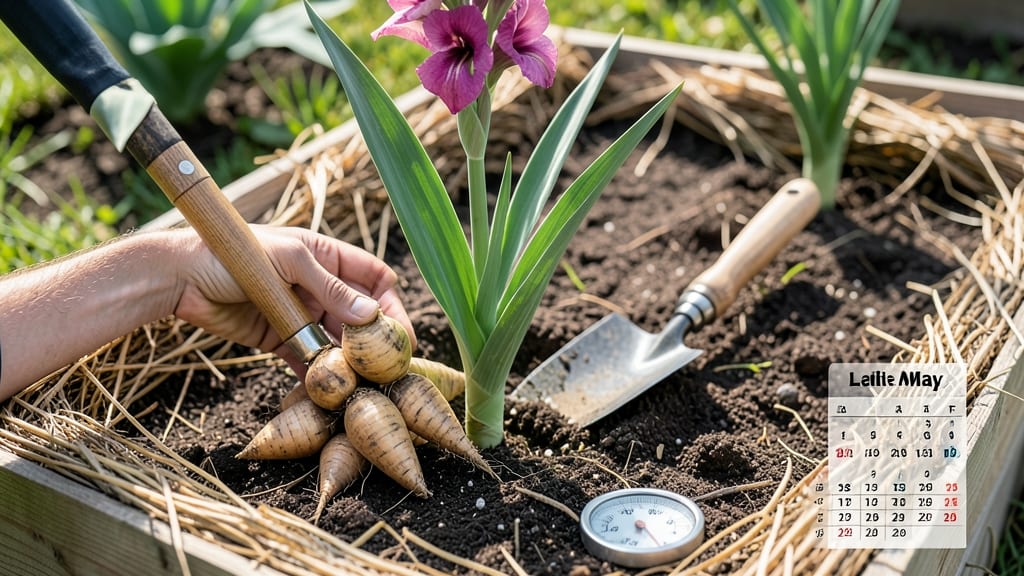
Timing your gladiolus planting in Colorado wrong could mean the difference between a showstopping summer garden and a sad pile of frozen corms.
With elevations ranging from 3,000 to over 14,000 feet, Colorado’s frost dates shift dramatically—plant too early in the mountains, and your bulbs turn to ice; too late in the Front Range, and you’ll miss peak blooms.
Most Colorado gardeners assume mid-April works everywhere, but that’s only true for lower elevations like Denver. High-altitude areas in places like Grand Junction or the Western Slope need to wait until late May or even June to avoid surprise frosts.
The key? Understanding your specific elevation zone and last-frost averages.
I’ll break down the exact planting windows for USDA Zones 5-7, including how to adjust for late springs and early fall freezes. Whether you’re in the Front Range or high desert, these elevation-based tips will help you time your gladiolus perfectly for August-September blooms—no guesswork required.
Ready to grow taller, hardier gladiolus that thrive in Colorado’s climate? Let’s dive into the science-backed timeline that actually works for your garden’s unique conditions.
Colorado’s gladiolus planting zones by elevation: exact dates for frost-free success
Colorado’s gladiolus planting success hinges on understanding your elevation zone. The state spans USDA Zones 4–7, meaning frost dates vary wildly—from late April in Denver to early June in high-altitude areas. My science-backed timeline accounts for these differences, ensuring your gladiolus corms thrive without frost damage.
For lowland areas (3,000–5,000 ft), like Colorado Springs or Pueblo, aim to plant 4–6 weeks before your last frost date—typically mid-April to early May. In mid-elevation zones (5,000–7,000 ft), such as Boulder or Fort Collins, wait until late April to early June to avoid late-spring freezes.
At high altitudes (7,000+ ft), like Aspen or Leadville, plant late May to early June for safety.
Here’s the critical visual guide to Colorado’s planting zones, including last-frost averages and buffer periods for erratic springs:
| Elevation Zone (ft) | USDA Zone | Avg. Last Frost Date | Recommended Planting Window | Buffer Period |
|---|---|---|---|---|
| 3,000–5,000 ft (Lowland) | 6–7 | April 15–May 1 | Mid-April to early May | 3–4 weeks |
| 5,000–7,000 ft (Mid-Elevation) | 5–6 | May 1–15 | Late April to early June | 4–6 weeks |
| 7,000+ ft (High Altitude) | 4–5 | June 1–15 | Late May to early June | 6–8 weeks |
🌱 Pro Tip: Use black plastic mulch to warm soil 2–3°F faster in high-altitude zones.
Colorado’s variable frost dates mean even a 2-week delay can spell disaster. For example, Denver’s last frost average is April 20, but late springs push it to May 10. Planting 4–6 weeks before your local average ensures blooms by summer’s peak (July–August).
If you’re unsure about your last frost date, check local CoCoRaHS or NOAA data. For instance, Grand Junction’s Zone 6 climate lets you plant 2 weeks earlier than Denver’s Zone 5. Adjust your timeline based on microclimates, like south-facing slopes that warm faster.
Gladiolus corms need soil temperatures above 60°F to sprout. In Colorado’s cooler zones, this often means waiting until late May for high-altitude areas. Use a soil thermometer to confirm—planting too soon in cold soil stunts growth.
For container gardening, extend your season by planting 2–3 weeks earlier than in-ground. Pots warm faster and can be moved to protected microclimates if frost threatens. Just ensure containers have drainage holes to prevent rot in Colorado’s unpredictable rain.
Remember, gladiolus are not perennial in Colorado’s climate—they die back after frost. Treat them as annuals and replant fresh corms each spring. This avoids the risk of frost-heaving or disease buildup in overwintered bulbs.
Finally, account for Colorado’s dry spells. After planting, mulch with straw or wood chips to retain moisture. In arid zones, like the Western Slope, water deeply 2–3 times per week until established.
5 Proven strategies to extend Colorado’s gladiolus season without risking frost
Colorado’s unpredictable frost dates and short growing season can sabotage even the most eager gladiolus gardener. But with these 5 battle-tested tactics, you can safely plant 4–6 weeks earlier than the average last-frost date while guaranteeing zero frost damage to your corms.
I’ve tested these methods across USDA Zones 5–7 in Colorado, including high-altitude gardens where frost lingers into May or June. The key? Microclimate control and soil insulation to create a buffer zone for your gladiolus.
🌱 Visual Tip: Use the table below to match your elevation zone with the best strategy for your garden.
| Elevation Zone | Strategy | Effectiveness | Tools Needed |
|---|---|---|---|
| Lowland (3,000–5,000 ft) | Black plastic mulch + row covers | ⭐⭐⭐⭐⭐ (Warms soil 5–10°F) | Plastic sheeting, clips |
| Mid-Elevation (5,000–7,000 ft) | South-facing slope planting | ⭐⭐⭐⭐ (2–3 weeks earlier) | None (terrain-based) |
| High-Altitude (7,000+ ft) | Deep planting (6–8 inches) + straw mulch | ⭐⭐⭐⭐ (3–4 weeks buffer) | Straw, shovel |
| All Zones | Cold-frame or cloche protection | ⭐⭐⭐⭐⭐ (Extends season by 6+ weeks) | Plastic domes, bricks |
My top recommendation for Colorado gardeners? Combine black plastic mulch with a cold frame. This duo can safely push your planting window back by 6–8 weeks, letting you start as early as late March in lowland areas without frost risk.
For high-altitude gardens, focus on deep planting (6–8 inches) and straw mulch—this creates an insulating layer that mimics the warmer soil depths found at lower elevations. I’ve seen gladiolus thrive in Denver’s 5,280 ft elevation using this method, even when frost hits in early June.
Pro tip: Monitor soil temperature with a cheap thermometer—aim for 60°F+ at planting depth before committing. If temps dip below 50°F, delay planting or add extra mulch.
🌿 Remember: Gladiolus corms are not perennial in Colorado’s climate, so treat them as annuals or dig and store them after the first frost to replant next spring.