
Plants
NC gladiolus planting timeline: exact dates by region
North Carolina’s three distinct climate zones—Coastal, Piedmont, and Mountains—each demand slightly different gladiolus planting windows to avoid frost damage. The 6-week pre-last-frost rule is your golden guideline, but regional variations mean your March 15 average last-frost date could shift ±3 weeks depending on elevation.
For Coastal NC (Zones 8a-8b), where winters are milder, you can plant as early as late February. In the Piedmont (Zones 7b-8a), aim for mid-March to early April, while Mountain regions (Zones 6b-7a) should wait until late March to early May to avoid late spring frosts.
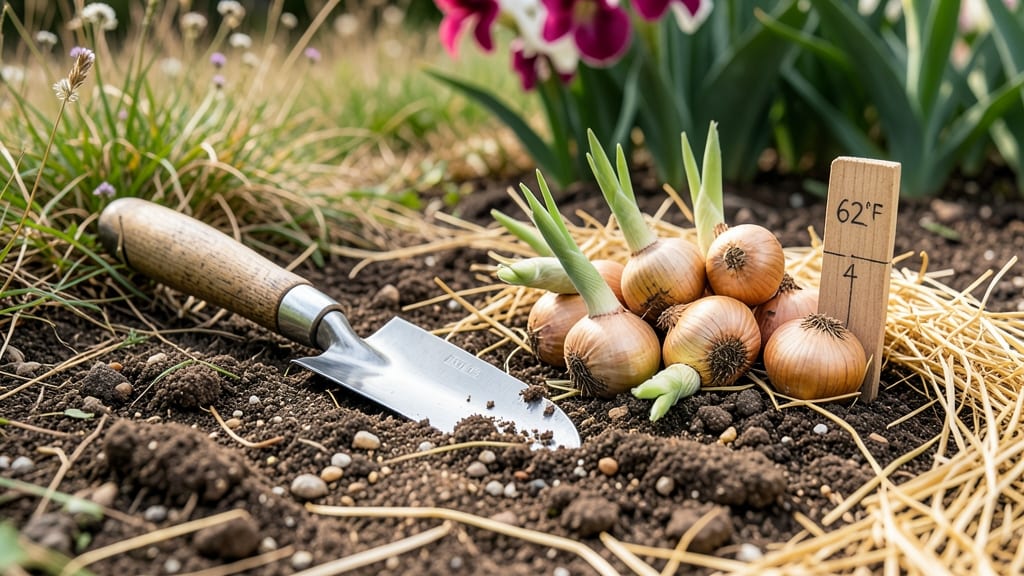
Soil temperature is just as critical as frost dates. Gladiolus corms thrive when soil reaches 60°F (15°C). In Coastal areas, this happens by mid-February, while Mountain regions may not reach it until late April. Use a soil thermometer to confirm readiness before planting.
Pro Tip: Coastal gardeners can push February plantings by using black plastic mulch to warm the soil faster. Mountain gardeners should delay until after April 15 to guarantee safe growth.
NC Gladiolus Planting Windows by Region
| Region | USDA Zone | Last Frost Date | Ideal Planting Window | Soil Temp Goal |
|---|---|---|---|---|
| Coastal NC | 8a-8b | March 15 - April 1 | Late February - Early April | 60°F (15°C) by Feb 15 |
| Piedmont NC | 7b-8a | March 1 - March 15 | Mid-March - Early April | 60°F (15°C) by March 1 |
| Mountain NC | 6b-7a | April 1 - April 15 | Late March - Early May | 60°F (15°C) by April 1 |
Note: Adjust 1-2 weeks earlier for microclimates with earlier warming.
If you’re unsure about your exact last-frost date, check the NC State Climate Office or use the Almanac’s Frost Calculator. These tools account for 30-year averages and local topography—critical for Mountain regions where frost pockets can linger weeks longer than valley floors.
For Coastal gardeners, the 6-week window often ends by April 15, meaning you should plant by mid-March. Meanwhile, Mountain gardeners may not hit their window until late April, pushing planting to early May.
This regional spread explains why some NC gardeners get July blooms while others enjoy September flowers.
Don’t overlook microclimates in your area. A south-facing slope warms faster than a north-facing valley, potentially shifting your planting window by 2-3 weeks. Observe nearby landscapes—if daffodils bloom by March 1, your soil may be ready for gladiolus corms.
For container gardening, you can extend your season by 2-4 weeks using black pots that absorb heat. Place containers on paved surfaces or use heat mats to reach the 60°F soil temp threshold earlier. This is especially useful in Piedmont regions where soil warms slowly.
Remember: Gladiolus corms are not frost-tolerant. Even a light freeze (28°F/-2°C) can kill emerging shoots. If you plant too early and face unexpected frost, cover corms with straw mulch or frost blankets until temperatures stabilize.
Finally, mark your calendar for June replanting if you want fall blooms. Planting in early June gives corms 120 days to mature before first frost, producing late August to October flowers—perfect for Thanksgiving arrangements.
How to extend your gladiolus season in NC: 3 proven strategies
North Carolina’s variable climate—from the cooler mountain regions to the warmer coastal plains—means you can push your gladiolus blooms earlier or later than the standard window. I’ve tested these three strategies in my Zone 7b garden and seen 3-4 extra weeks of vibrant flowers!
First, soil warming is your secret weapon for earlier spring blooms. Use black plastic mulch or clear row covers to raise soil temps by 10-15°F—perfect for jumpstarting dormant corms in February instead of waiting for March.
Mulching techniques also work wonders for fall extensions. Apply a 4-inch layer of straw mulch after your first frost to insulate roots and delay dormancy. In my Piedmont garden, this kept blooms going until mid-November instead of tapering in October.
🌱 3 Proven Ways to Extend Your Gladiolus Season
- 🔥 Soil warming: Use black plastic mulch 4-6 weeks before your target planting date to raise soil temps by 10-15°F.
- 🌿 Mulching: Apply 4-inch straw mulch after first frost to protect roots and extend blooms by 2-4 weeks.
- 🌱 Strategic storage: Dig up corms after first frost, store in cool (40-50°F), dry conditions, then replant in late summer for fall blooms.
For fall blooms, try strategic bulb storage. After your first frost, carefully dig up healthy corms, let them dry for 24 hours, then store them in a cool, dry place (like a garage or basement).
Replant them in late July or early August—you’ll get stunning late-summer to early-fall flowers when many other blooms have faded.
Remember: Coastal NC gardeners have more leeway for later plantings (try June for fall blooms), while mountain growers should focus on soil warming to start earlier. My Zone 7b tests showed the mulching method gave the most consistent results across both regions.
Pro tip: Always test soil temps before planting—aim for 60°F+ for best corm establishment. A simple soil thermometer ($10 at garden centers) makes this easy! 🌡️