
Plants
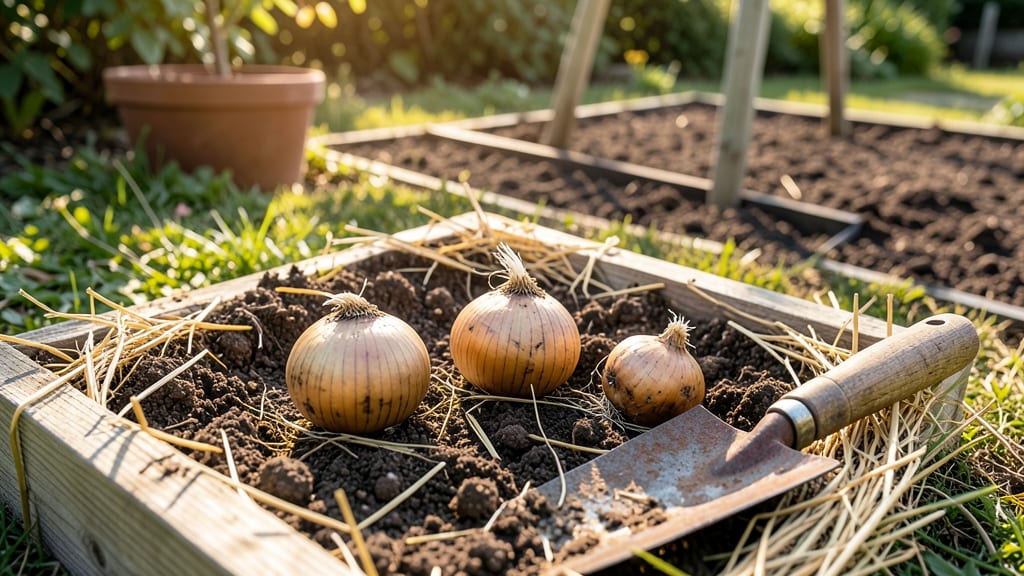
Timing your gladiolus bulb planting in California can mean the difference between show-stopping summer blooms and struggling plants—especially when coastal fog clashes with inland heat. These dramatic 🌸 flowers thrive with precision, and getting the window right ensures they burst into color just as your garden needs them most.
California’s USDA zones 8-11 create wild variations—coastal areas like San Francisco (zones 9-10) can plant as early as February, while inland valleys (zones 8-9) often wait until March or April to avoid late frosts.
The key? Planting after your last frost date, when soil warms enough to encourage strong root growth.
I’ve seen gardeners in Southern California rush their planting only to watch their gladiolus wilt in summer heat, or miss the window entirely in cooler regions. The solution? A region-specific schedule that accounts for your microclimate, soil prep, and even heat tolerance of your chosen varieties.
Ready to unlock those bold blooms? Let’s break down the exact planting dates, soil tricks, and pro tips to make your gladiolus flourish—no matter where you garden in the Golden State.
Optimal gladiolus planting dates by California region (coastal vs inland)
California’s microclimates create a puzzle for gladiolus lovers—what works in coastal San Francisco fails in inland Sacramento. The key? Planting after last frost but before soil overheats.
Coastal gardeners can start as early as February, while inland areas should wait until March or April to avoid heat stress on emerging shoots.
Gladiolus corms need 60-65°F soil to sprout consistently. In USDA zones 9-10 (coastal), this happens by late February. In zones 8-9 (Central Valley), wait until March 15-April 1 when soil warms reliably. Desert areas (zone 10-11) can plant as late as April due to extreme heat.
⚠️ PRO TIP: Use a soil thermometer to confirm readiness—planting too early in cold soil causes rot, while late planting in hot soil leads to bolting (premature flowering).
| Region | USDA Zone | Last Frost Date | Ideal Planting Window | Soil Temp Threshold |
|---|---|---|---|---|
| Coastal (SF, LA) | 9-10 | Dec 15 - Jan 15 | Feb 15 - Mar 15 | 60-65°F |
| Central Valley (Sacramento) | 8-9 | Feb 1 - Mar 1 | Mar 15 - Apr 15 | 65-70°F |
| Desert (Palm Springs) | 10-11 | Dec 1 - Jan 10 | Apr 1 - Apr 30 | 70-75°F |
For coastal gardeners, aim for February-March planting to enjoy blooms from June-July. Inland areas should plant March-April for July-August flowers. Desert regions can extend planting to April but risk heat stress—opt for heat-tolerant varieties like 'Green Garter' or 'Black Star'.
If you’re unsure about your last frost date, check local Cooperative Extension data or use Almanac’s Frost Calculator. For example, San Francisco averages its last frost by January 15, while Fresno typically sees frost until February 15.
Container gardeners in coastal fog zones can plant 4-6 weeks earlier than ground planting, as pots warm faster. Just ensure containers have drainage holes to prevent rot from soggy soil. Inland gardeners should avoid containers—they overheat quickly in summer.
One common mistake is planting too deep in heavy clay soils (common in Central Valley). Gladiolus corms need 4-6 inches of depth but also good drainage. Amend clay soil with compost or sand to improve aeration. In sandy desert soils, add organic matter to retain moisture.
For extended blooms, try staggered planting: plant 1/3 of corms in early March, another 1/3 in late March, and the final 1/3 in early April.
This creates a 3-week bloom sequence instead of one overwhelming flush. Just be sure to space varieties by height to avoid shading smaller blooms.
Remember: Gladiolus corms are not frost-hardy. If an unexpected late frost hits (like the 2021 April frost in Sacramento), cover plants with frost cloth or move containers to a sheltered spot. A single 28°F night can kill emerging shoots.
🌸
How to adjust planting time for early or late blooms in California
Want to stretch your gladiolus blooms from early summer to fall? Adjusting your planting schedule is the key. Staggered plantings every 2-3 weeks create a continuous flower show, while container gardening lets coastal gardeners manipulate timing even further.
For inland heat zones, opt for heat-tolerant varieties like 'Red Beauty' or 'Green Star' to avoid wilting before blooming.
For early blooms, plant dwarf varieties in January-February (coastal) or February-March (inland). These shorter-season types—like 'Picasso' or 'Black Pearl'—mature faster and handle cooler spring soil better. Pair them with black plastic mulch to warm the soil 5-10°F faster than bare earth.
🌱
For late-season blooms, try deep-planting corms in May-June (inland only). Bury them 6-8 inches deep to shield from intense heat, then water deeply 2x weekly until buds form. This trick works best in USDA Zone 9+ areas like Riverside or Palm Springs, where summer heat peaks later.
Pro tip: Deadhead spent blooms to redirect energy into new flower spikes—this can extend your display by 2-3 weeks. Pair late plantings with tall companion plants like sunflowers or hollyhocks to support their height and prevent flopping in coastal breezes.
✂️