
Plants
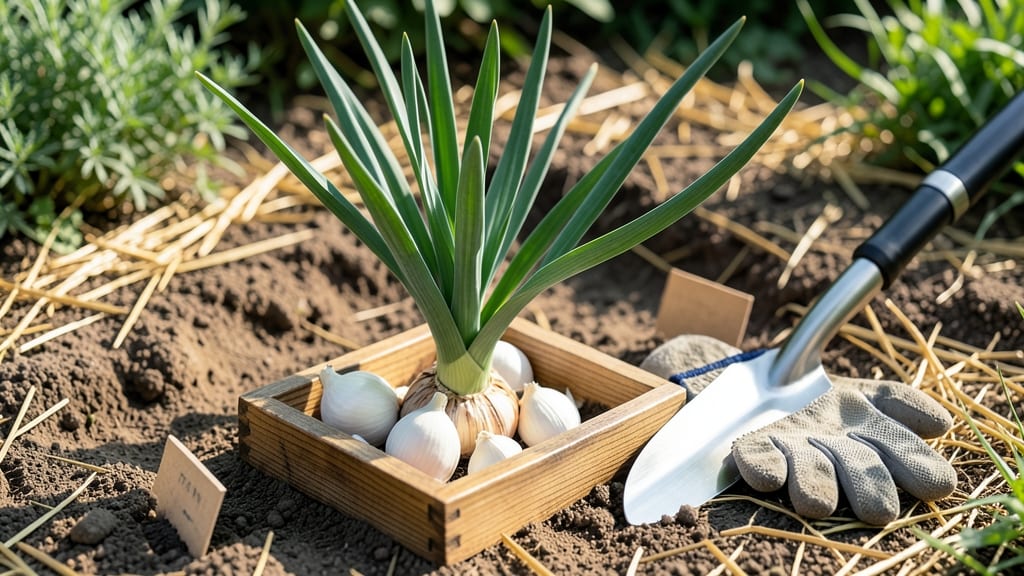
If you're growing 🧄 garlic in Zone 10a, timing your fall planting isn't just about picking a month—it's about outsmarting your warm climate to avoid bolting and maximize your harvest.
Unlike cooler zones, Zone 10a's mild winters mean garlic needs a strategic 6-8 week chilling period that never happens naturally. Plant too late, and your bulbs may never form properly. Too early, and you risk heat stress or wasted effort.
I'll show you exactly when to plant in Southern California, Phoenix, or Florida to get zero-bolt garlic—plus how to adjust for your specific microclimate and variety choices that thrive in warm climates.
Ready to grow plump, flavorful garlic that actually stores? Let's dive into the perfect fall planting window and pro tips that work in Zone 10a's unique conditions.
Optimal fall planting dates for garlic in Zone 10A
Zone 10A’s mild winters create a unique challenge for garlic growers—too much heat can trigger bolting, while too little chill stunts bulb development. Unlike cooler zones, garlic here needs 6-8 weeks of 40-50°F soil temps to form proper bulbs.
The key? Planting in late fall to catch those cooler winter months before spring warmth arrives.
In Zone 10A, your ideal planting window is mid-October to early December. This timing ensures garlic gets enough winter chill while avoiding summer heat stress. Coastal areas (like San Diego) can plant slightly later—November—since ocean breezes delay warming.
Inland zones (like Phoenix) should aim for October to maximize chill exposure.
Here’s the critical timeline for Zone 10A garlic:
| Month | Action | Soil Temp Goal | Notes |
|---|---|---|---|
| October | Plant cloves | 60-70°F | Inland zones only; coastal areas wait until November |
| November | Plant cloves (coastal) | 55-65°F | Best for mild microclimates; avoid late November |
| December | Plant cloves (emergency) | 50-60°F | Risk of insufficient chill; use shade cloth |
| January | Verify soil temps | 40-50°F | Check for 6+ weeks of chill; adjust mulch if needed |
| February-March | Monitor growth | 55-65°F | Thin seedlings if overcrowded; avoid fertilizing |
Why October-November works best? Garlic needs 6-8 weeks below 50°F to form bulbs. In Zone 10A, December-January typically provides this, but coastal areas may need shade cloth to extend chill. If you plant after December 15th, your garlic may bolt prematurely due to warming soils.
Pro tip: Use a soil thermometer to confirm temps. Aim for 40-50°F for 6+ weeks—this is your bulb-forming sweet spot. If your soil stays above 55°F for too long, your garlic will prioritize flowering over bulb development.
For coastal Zone 10A (e.g., Santa Barbara), push planting to November to avoid winter rains that can rot cloves. Inland areas (like Tucson) should plant by October 15th to catch the coolest winter months. Always choose well-draining soil—garlic hates soggy roots!
Harvest timing in Zone 10A shifts too. Unlike cooler zones, your garlic may be ready as early as June if planted in October. Watch for lower leaves browning—this signals bulb maturity. Don’t wait too long, or bulbs may split or sprout.
Remember: Zone 10A garlic thrives on timing. Plant too early, and you’ll get small, weak bulbs. Too late, and you risk bolting. The 6-8 week chill rule is your golden metric—align your planting to hit it perfectly.
🌱
Optimal fall planting dates for garlic in Zone 10A
Zone 10A’s mild winters make garlic planting tricky—unlike cooler zones, you won’t get that classic 6-8 week cold period garlic craves to form bulbs. Instead, focus on planting when soil temps drop to 60°F or below and stay there for at least 4-6 weeks.
This usually lands in late October through mid-December, but coastal areas (like San Diego) can plant 2-3 weeks later than inland desert zones (like Phoenix).
Garlic thrives on winter rains in Zone 10A, so aim to plant before the first significant downpour—typically October 15th to November 15th for most regions. Inland areas should plant earlier (October) to take advantage of cooler nights, while coastal zones can wait until November when ocean breezes delay warming.
Remember: garlic planted in January or later often bolts prematurely.
| Region Type | Ideal Planting Window | Soil Temp Goal | Key Microclimate Note |
|---|---|---|---|
| Inland (Phoenix, Palm Springs) | October 1-15 | 60°F or below | Plant early to avoid spring heat |
| Coastal (San Diego, Santa Barbara) | November 1-15 | 55°F or below | Ocean breezes delay warming |
| Valleys (Central Coast) | October 15-November 1 | 58°F or below | Frost pockets may extend chilling |
For zero-bolt garlic, prioritize Silverskin varieties (like ‘Inchelium Red’), which tolerate warmer winters better than softnecks or rockets. If you miss the fall window, you can plant in January, but expect smaller bulbs and higher bolting risk.
Always test soil temps with a soil thermometer—garlic needs consistent 50-60°F temps for bulb formation, not just brief cold snaps.
Pro tip: Use black plastic mulch after planting to lower soil temps by 5-10°F and extend the chilling period naturally. This simple trick helps simulate cooler zones without refrigeration. Pair it with 3-4 inches of straw mulch to retain moisture during Zone 10A’s unpredictable winter rains.
Harvest timing in Zone 10A shifts too—expect bulbs ready by June-August (not the usual late summer of cooler zones). Watch for lower leaves browning while upper leaves stay green; this signals bulbs are mature but won’t overripen in the heat.
Inland areas may harvest 2 weeks earlier than coastal zones due to faster spring warming.
Don’t let Zone 10A’s warm reputation fool you—garlic still needs cold exposure. The key is planting early enough to capture those cool winter nights before spring heat arrives. With the right timing and microclimate tweaks, you’ll grow plump, flavorful bulbs even in the desert or coast. 🌱