
Trees
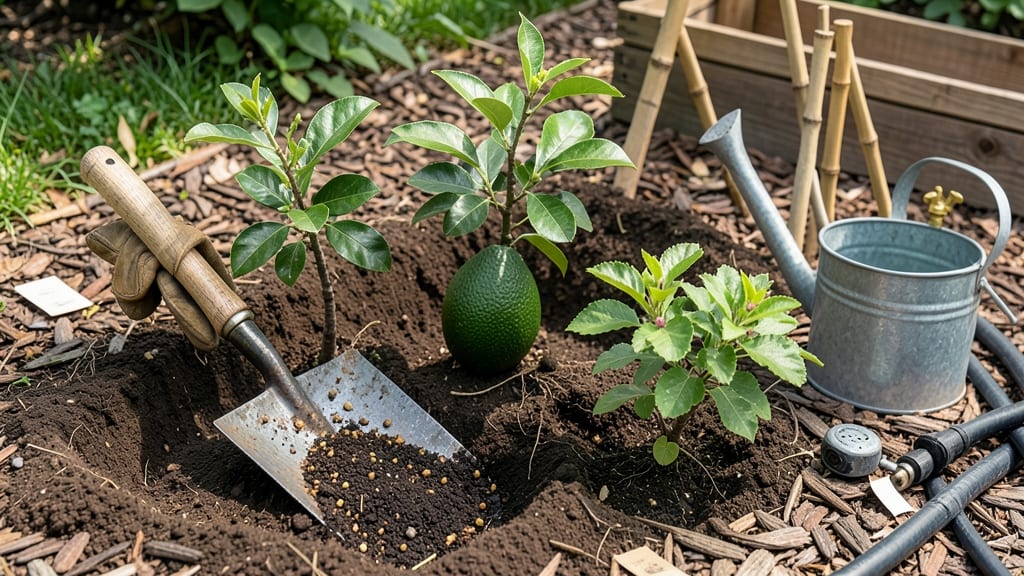
Planting your 🍎 fruit tree at the wrong time in Southern California could mean struggling with poor growth—or worse, losing your investment entirely.
The key isn’t just picking a random month; it’s understanding how your local climate, chill hours, and even microclimates (like coastal vs. inland zones) dictate the perfect window for success.
Most gardeners know winter is ideal, but did you realize bare-root trees thrive best between November and March—when cooler temps help roots establish? Meanwhile, container-grown trees offer more flexibility, letting you plant almost year-round if you time it right.
I’ll break down exactly when to dig in for your specific variety, whether it’s citrus, avocado, or stone fruits.
What you’ll discover here is how to match your fruit tree’s chill-hour needs to Southern California’s unique zones—from 9b inland to 11 coastal. This isn’t just theory; it’s a roadmap to bigger harvests and healthier trees. Let’s get your fruit tree off to the strongest start possible.
Ready to avoid common mistakes and set your tree up for decades of productivity? The best time to plant isn’t just a season—it’s a science, and I’ve got the details to make it easier than you’d expect. Let’s dive in.
Best planting months for fruit trees in Southern California by chill-hour needs
Southern California’s mild winters and hot summers mean fruit trees must be planted with chill-hour requirements in mind. Unlike northern climates, our region lacks consistent cold snaps, so choosing the right planting window and tree variety is critical for success.
Most fruit trees thrive when planted during cooler months (November–March), but timing varies by chill-hour needs and tree type.
For example, citrus trees and avocados (low-chill varieties) can handle our USDA Zones 9b–11, while peaches and plums (moderate-chill) need careful selection. High-chill varieties like apples and cherries are rarely successful without microclimate adjustments.
Let’s break down the best planting months for each category to maximize your fruit tree’s potential.
🌱 Southern California Fruit Tree Planting Guide by Chill-Hour Needs
| Tree Type | Chill-Hour Range | Best Planting Months | Notes |
|---|---|---|---|
| Citrus (Orange, Lemon, Lime) | 0–300 hours | November–March (year-round for containers) | No chill requirement; plant anytime in mild zones. |
| Avocado (Hass, Fuerte) | 200–400 hours | November–January (avoid summer heat) | Prefers coastal areas; inland needs irrigation. |
| Fig (Brown Turkey, Black Mission) | 0–500 hours | November–February | Drought-tolerant; plant in well-draining soil. |
| Peach (Low-Chill Varieties) | 300–500 hours | November–December (bare-root) | Choose 'Redhaven' or 'Elberta' for inland areas. |
| Plum (Santa Rosa, Methley) | 400–600 hours | November–January | Best in cooler microclimates (e.g., mountains). |
| Apple (Dwarf Varieties) | 600–800 hours | November–December (coastal only) | Requires cross-pollination; rare in SoCal. |
Low-chill varieties like citrus and figs are the easiest to grow in Southern California, thriving when planted in winter months (November–March). These trees benefit from cooler temperatures and established roots before summer heat arrives.
For bare-root trees, winter planting (November–January) is ideal because the tree is dormant, reducing transplant shock.
Container-grown trees, however, offer flexibility. You can plant them year-round in Southern California, but cooler months (October–April) still reduce stress. This is especially useful for avocados and peaches, which need time to adapt to our hot, dry summers. Always water deeply after planting to encourage root growth.
High-chill varieties like apples and cherries are a gamble in most of Southern California unless you’re in cooler microclimates (e.g., mountain foothills or coastal areas). If you’re determined to grow them, choose dwarf varieties and plant in November–December for the best chance of survival.
Pair them with a pollination partner and expect lower yields than low-chill trees.
One common mistake is planting bare-root trees in summer. The intense heat and low humidity can cause rapid moisture loss, leading to transplant shock. If you must plant in summer, opt for container-grown trees with established root balls and provide shade cloth for the first few weeks.
Mulch heavily to retain moisture and protect roots.
For stone fruits like peaches and plums, timing is everything. These trees need 400–600 chill hours, which are hard to find in coastal areas but slightly more available in inland valleys.
Plant them in November–January and choose varieties bred for low-chill conditions, such as 'Redhaven' peaches or 'Santa Rosa' plums. Prune heavily in early spring to encourage fruit production.
Remember, soil temperature matters just as much as air temperature. Soil should be above 60°F but not exceeding 85°F when planting. Inland areas can get too hot
How to match fruit tree varieties to Southern California’s microclimates for maximum success
Southern California’s diverse microclimates—from coastal fog belts to inland desert valleys—mean not all fruit trees thrive everywhere. The key to success lies in matching chill-hour requirements with your specific USDA zone and microclimate.
For example, San Diego’s coastal areas (Zone 10a-11) can grow citrus and avocados year-round, while Riverside’s inland valleys (Zone 9b-10a) need low-chill stone fruits like Santa Rosa plums or Elberta peaches.
Start by identifying your local microclimate. Coastal regions benefit from ocean breezes, reducing heat stress, while inland areas face hotter summers and cooler winters.
Elevation also plays a role—mountain foothills (like Altadena) may experience 500+ chill hours, allowing high-chill apples or pears, whereas Palm Springs (Zone 10b-11) requires tropical varieties like mangoes or lychees.
Here’s how to align your fruit tree choice with your microclimate:
- Test your chill hours using a chill-hour calculator (many are available online) or check local agricultural extension reports.
- Avoid high-chill varieties (like Fuji apples or Honeycrisp pears) in low-chill zones—they’ll fail to bloom or fruit.
- Opt for dwarf or semi-dwarf varieties in urban areas to save space and reduce heat stress.
Key Takeaway: Microclimate Matching for Fruit Trees
- Coastal (Zone 10a-11): Citrus, avocado, fig, olive
- Inland Valleys (Zone 9b-10a): Low-chill peaches, plums, pomegranates
- Mountain Foothills (Zone 8b-9a): Apples, pears, cherries (dwarf varieties)
- Avoid: High-chill varieties in low-chill zones (e.g., Gala apples in Palm Springs)
If you’re in a transition zone (like Orange County), consider heat-tolerant varieties like ‘Flame’ nectarines or ‘Improved Meyer’ lemons, which handle hotter inland summers better than standard types. For container growing, prioritize dwarf citrus or figs, as they adapt well to urban heat islands.
Pro tip: Visit local nurseries and ask about region-specific varieties. Many Southern California growers offer pre-adapted scions that perform better in your area. For example, ‘Arbequina’ olives thrive in coastal Santa Barbara, while ‘Black Diamond’ figs are perfect for inland Riverside.
Remember, microclimates change with elevation. A 500-foot difference can mean 100+ extra chill hours, making a high-chill apple tree viable in Pasadena but not in Anaheim. Always plant on the coolest side of your yard (north or east) to extend the life of heat-sensitive varieties.
By matching your fruit tree variety to your microclimate, you’ll maximize yields and minimize stress—ensuring your orchard thrives for decades. Start small with 1-2 varieties that fit your zone, and expand as you gain confidence!