
Trees
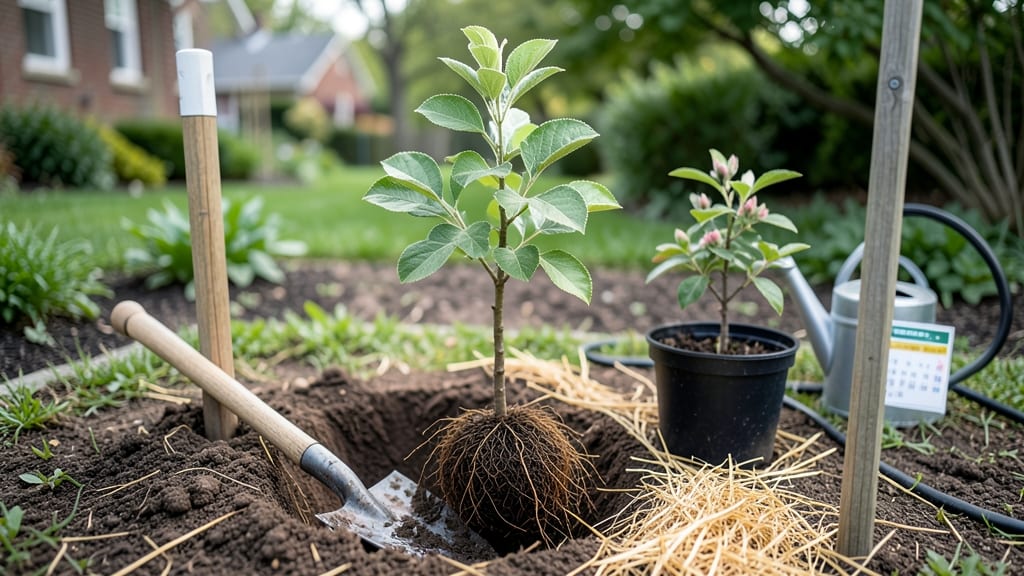
Planting fruit trees in BC at the wrong time can mean years of disappointment—or worse, no fruit at all. The secret to success isn’t just picking the right variety, but matching your planting schedule to BC’s chill-hour zones and frost patterns.
Whether you’re in Vancouver’s mild coastal climate or the Okanagan’s hotter interior, timing makes all the difference between a thriving orchard and a struggling sapling.
I’ve spent years working with local growers, and what I’ve learned is that spring planting is your best bet for most fruit trees—like apples, cherries, and peaches—but the exact window varies by region.
Plant too early, and you risk frost damage; too late, and your tree won’t establish strong roots before winter. The key is understanding your zone’s last frost date and how many chill hours your chosen fruit needs to bloom properly.
In this guide, I’ll break down the best planting months for BC’s three main chill-hour zones, plus tips for container vs. in-ground planting.
You’ll discover which varieties thrive in your area, how to prep your soil, and even how to adjust for microclimates—like the Fraser Valley’s unpredictable frosts or the Okanagan’s early springs. Let’s get those fruit trees off to the right start!
Why wait another year for that homegrown harvest? With the right timing, your 🌱 fruit trees could be bearing fruit in as little as 3-5 years. Let’s make sure you’re planting them at the perfect moment for maximum success.
BC fruit tree planting calendar by chill-hour zones (2024 guide)
British Columbia’s diverse climate means one planting schedule doesn’t fit all. From the cooler coastal regions of Vancouver Island to the hotter Okanagan Valley, your fruit tree’s success hinges on matching its chill-hour needs with your local frost dates.
Most BC zones fall between 500–1,200 chill hours, so choosing the wrong variety—or planting at the wrong time—can leave you with poor pollination or no fruit.
For example, Zone 5 (coastal) like Victoria thrives with cherries and pears, while Zone 7 (Okanagan) demands low-chill peaches and nectarines. Even within regions, microclimates matter: frost pockets in the Fraser Valley may delay spring planting by weeks compared to Kelowna.
Let’s break down the ideal planting windows for each zone, including when to plant bare-root vs. container-grown trees for maximum root establishment.
| BC Zone | Chill Hours | Best Planting Window | Bare-Root Trees | Container Trees |
|---|---|---|---|---|
| Zone 5 (Coastal: Victoria, Nanaimo) | 800–1,200 | Late October–November (fall) or March–April (spring) | Soak roots 12+ hours before planting | Plant anytime soil isn’t frozen |
| Zone 6 (Vancouver, Fraser Valley) | 600–900 | November–December (fall) or February–March (spring) | Avoid planting if frost predicted within 2 weeks | Best in early spring before buds swell |
| Zone 7 (Okanagan: Kelowna, Penticton) | 400–700 | December–January (dormant season) or March (soil thaw) | Plant immediately after purchase | Can plant year-round in mild winters |
| Zone 8 (Kamloops, South Okanagan) | 300–500 | November–February (avoid summer heat) | Mulch heavily to protect roots | Best in fall or early spring |
🌱 Pro Tip: Always check your last frost date (typically mid-April for coastal, late May for Interior) before planting spring varieties.
If you’re in Zone 5 or 6, fall planting is ideal because cooler soils reduce transplant shock. Bare-root trees—common in nurseries—should be planted within 2–3 days of purchase to prevent root desiccation.
For container-grown trees, you have more flexibility, but avoid planting when soil temps exceed 20°C (68°F), which can stress roots.
In the Okanagan (Zone 7–8), winter planting is often best because summer heat can dry out soil too quickly. Choose low-chill varieties like ‘Redhaven’ peaches or ‘Suncrest’ nectarines to thrive in these warmer zones. Always water deeply after planting—even in winter—to help roots establish before spring growth begins.
One critical mistake I see in BC gardens? Planting stone fruits (peaches, cherries) too early in Zone 6, when late frosts can kill blossoms. Use frost cloth if planting in March, or wait until April 15+ for coastal areas.
For apples and pears, which handle frost better, early spring planting (late February) works well in most zones.
Don’t forget to amend your soil before planting! BC’s clay-heavy soils (common in Vancouver) benefit from compost and gypsum, while sandy soils in the Okanagan need organic matter to retain moisture. A pH test (ideal: 6.0–7.0) ensures nutrients are available for root growth.
For container planting, use a minimum 24-inch diameter pot with drainage holes and a mix of 50% native soil, 30% compost, and 20% perlite. Containers dry out faster, so water every 2–3 days in summer. Move pots to a protected location if frost is forecasted after planting.
Finally, label your trees with the variety and planting date—this helps track growth and fruit maturity. In Zone 8, where summers are hot, provide afternoon shade for young trees to prevent sunburn on leaves.
With the right timing and care, your fruit trees will reward you with harvests for decades!
How to match fruit tree varieties to BC’s microclimates for maximum yield
British Columbia’s diverse climate zones—from the cool coastal regions of Vancouver Island to the hot, dry Okanagan Valley—mean not all fruit trees thrive everywhere. The key to success? Matching chill-hour requirements with your local microclimate.
For example, ‘Lodi’ apples (600-800 chill hours) flourish in Zone 6, while ‘Lapins’ cherries (500-700 chill hours) suit Zone 5. Let’s break down the best varieties for each zone and adjust planting dates accordingly.
In Zone 5 (coastal BC), where winters are mild, prioritize low-chill varieties like ‘Spencer’ plums (400-500 chill hours) or ‘Starking Delicious’ apples (500-600 chill hours). Plant these in early spring (March-April) to avoid late frosts.
Meanwhile, Zone 7 (Okanagan) gardeners should opt for high-chill varieties like ‘Gala’ apples (800-1,000 chill hours) or ‘Skeena’ cherries (900-1,100 chill hours), planting in late fall (October-November) for winter root establishment.
For frost-prone areas like the Fraser Valley, delay planting stone fruits (peaches, nectarines) until late April or May to avoid spring frosts. These varieties need 500-700 chill hours but bloom early—planting too soon risks flower damage. Use frost-hardy rootstocks like ‘Lovell’ for peaches to improve resilience.
| Zone | Best Varieties | Chill Hours | Planting Window |
|---|---|---|---|
| Zone 5 (Coastal) | ‘Spencer’ Plum, ‘Starking Delicious’ Apple | 400-600 | March-April |
| Zone 6 (Interior) | ‘Lodi’ Apple, ‘Lapins’ Cherry | 600-800 | Late April-Early May |
| Zone 7 (Okanagan) | ‘Gala’ Apple, ‘Skeena’ Cherry | 800-1,100 | October-November |
Adjust planting dates by 1-2 weeks based on local frost forecasts. For instance, if your area typically experiences late frosts in mid-May, delay planting peaches or apricots until after that date.
Use soil thermometers to confirm the ground is above 10°C (50°F)—a critical threshold for root growth in spring.
In container planting, choose dwarf varieties like ‘Columnar’ apples or ‘Bonanza’ peaches, which adapt better to urban microclimates. These thrive in Zone 5-6 and can be planted 1-2 weeks earlier than standard trees, as containers warm up faster.
Just ensure pots have drainage holes and use well-draining soil mixes to prevent root rot.
Pro tip: Check the BC Ministry of Agriculture’s chill-hour maps to refine your choices. For example, Kelowna’s Okanagan Valley often has 100-200 more chill hours than nearby Penticton—so adjust accordingly.
With the right variety and timing, your fruit trees will reward you with earlier blooms, heavier yields, and fewer frost-related setbacks.