
Trees
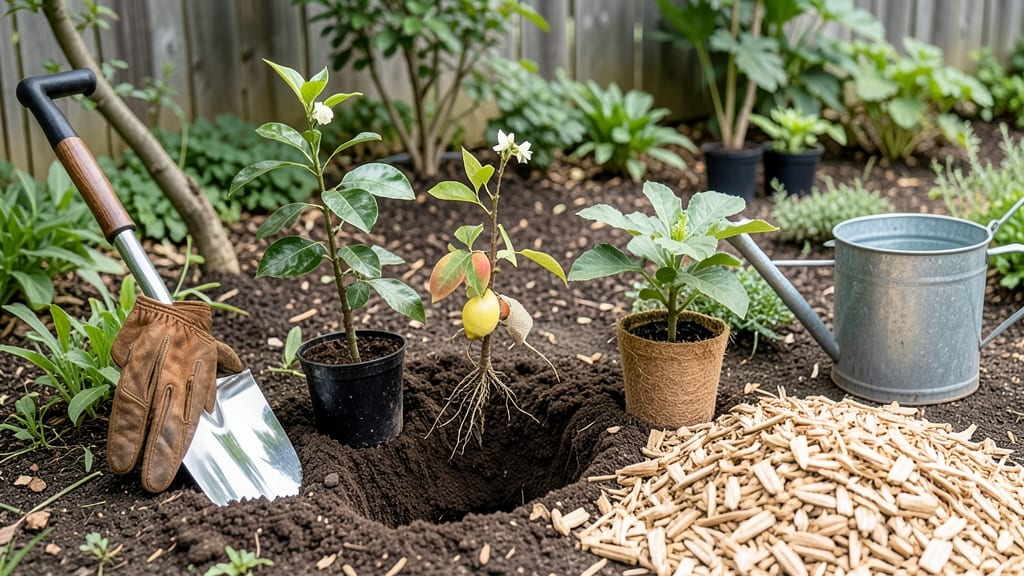
Getting the timing right for planting fruit trees in Zone 8b could mean the difference between a thriving orchard and years of disappointment—especially when chill hours and soil temperatures play such a big role.
With mild winters and hot summers, Zone 8b demands precision. Plant too early, and your young 🍎 might struggle with heat stress; too late, and root establishment suffers. The key is matching your fruit tree's chill-hour needs to the right planting window—whether you're working with peaches, figs, or citrus.
In this guide, I’ll break down the exact months to plant for best survival and fruit production, plus how to adjust for microclimates and soil prep. Avoid the most common mistakes (like planting in summer heat) and learn when to choose bare-root, containerized, or mature trees for guaranteed success.
Ready to set your fruit trees up for a bountiful harvest? Let’s dive into the optimal planting schedule tailored just for Zone 8b.
Zone 8b fruit tree planting calendar by chill-hour requirements
In Zone 8b, where winters are mild but still require chill hours for fruit trees to bloom, timing your planting window is critical. Most fruit trees need 300–900 chill hours (below 45°F) to set fruit, but planting too early or late disrupts root establishment and flower development.
For example, peaches (600–900 hours) thrive when planted in early spring, while figs (300–500 hours) can handle late-winter or fall planting. Below is your Zone 8b planting calendar, matched to chill-hour needs and soil temperatures for maximum success.
Soil temperature is just as important as air temperature—most fruit trees need soil temps above 45°F to prevent root shock. In Zone 8b, this typically means waiting until late February to early April, depending on your microclimate.
Coastal areas may plant earlier (February), while inland regions should wait until March or April to avoid frost damage. Always check your last frost date (usually February 15 in Zone 8b) and adjust accordingly.
🌱
| Fruit Type | Chill-Hour Range | Best Planting Window (Zone 8b) | Soil Temp Requirement | Dormancy Prep Tips | Expected First Fruit Year |
|---|---|---|---|---|---|
| Figs (e.g., 'Brown Turkey') | 300–500 hours | Late Winter (Feb) or Fall (Oct–Nov) | 45°F+ | Prune lightly in late winter | 2–3 years |
| Peaches (e.g., 'Redhaven') | 600–900 hours | Early Spring (March) | 50°F+ | Soak bare roots 24 hrs before planting | 3–4 years |
| Plums (e.g., 'Santa Rosa') | 500–700 hours | Late Winter (Feb–March) | 50°F+ | Apply mulch after planting | 3–5 years |
| Citrus (e.g., 'Meyer Lemon') | 0–300 hours | Fall (Oct–Nov) or Spring (March) | 60°F+ | Plant in well-draining soil | 2–4 years |
| Pomegranates (e.g., 'Wonderful') | 300–500 hours | Late Winter (Feb) or Early Spring (March) | 50°F+ | Prune dead branches before planting | 3–5 years |
For bare-root trees, plant as soon as they arrive in dormant season (late winter to early spring). Soak roots for 24 hours before planting to prevent dehydration. Container-grown trees can be planted year-round in Zone 8b, but early spring or fall minimizes stress.
If you’re planting in fall, do so 6–8 weeks before first frost (usually by October 15) to allow roots to establish before winter.
🌿
**Moon phases
How to adjust planting times for Zone 8b microclimates and soil conditions
Zone 8b’s mild winters and hot summers create microclimates where planting times can vary by weeks or even months just blocks apart. For example, a coastal area might stay frost-free until January 30, while inland valleys could see frost as early as December 15.
Adjust your planting schedule based on these local variations—and always test your soil’s chill-hour accumulation before committing to a calendar.
Urban heat islands—common in cities like Los Angeles or Phoenix—can push soil temps into the 70°F+ range by February**, making early planting risky for bare-root trees. In contrast, high-desert areas like Tucson’s foothills may still have frozen ground in March, delaying planting until soil warms to 55°F.
Use a soil thermometer to verify readiness, especially for stone fruits like peaches, which need cooler soil to avoid root stress.
Container-grown trees offer flexibility but require earlier planting than bare-root varieties. Since their roots aren’t exposed to frost heaving, you can transplant them 2–3 weeks before the last frost date—often as early as late January in coastal Zone 8b. However, avoid planting containers in summer, as root-bound stress combined with heat waves can kill young trees within weeks.
🌡️ 5 Critical Adjustments for Zone 8b Planting
- 1. Late-winter vs. early-spring: Plant low-chill varieties (figs, pomegranates) in February; wait until March–April for peaches or plums.
- 2. Container timing: Transplant potted trees 2–3 weeks earlier than bare-root to avoid frost damage.
- 3. Mulching for heat: Apply 4–6 inches of mulch in summer to retain moisture and cool roots.
- 4. Drip irrigation: Run slow drip systems for 2 hours daily after planting to prevent root desiccation.
- 5. DIY chill test: Bury a thermometer at 4" deep and record temps below 45°F for 7+ days to estimate chill hours.
Soil amendments can compensate for poor native soil in Zone 8b, where clay or sandy loam often lacks organic matter. Amend planting holes with compost + mycorrhizal fungi to boost root growth, especially for citrus or avocado trees, which thrive in well-draining, slightly acidic soil (pH 6.0–7.0).
For stone fruits, add gypsum if your soil tests high in sodium, as this improves water infiltration and reduces root rot risks during monsoon season.
If your area experiences late-spring frosts (common in higher elevations of Zone 8b), choose late-blooming varieties like ‘O’Henry’ peach or ‘Improved Meyer’ lemon, which are frost-resistant once established.
For coastal fog zones, prioritize drought-tolerant trees like olives or persimmons, which handle salty air and limited irrigation better than peaches or cherries.
Pro tip: Monitor moon phases for planting—root crops (like fruit trees) thrive when planted during the waxing moon (just after the new moon). This aligns with increased soil moisture and faster root establishment, critical for Zone 8b’s short growing windows.
Pair this with early-morning planting to reduce transplant shock from afternoon heat.