
Plants
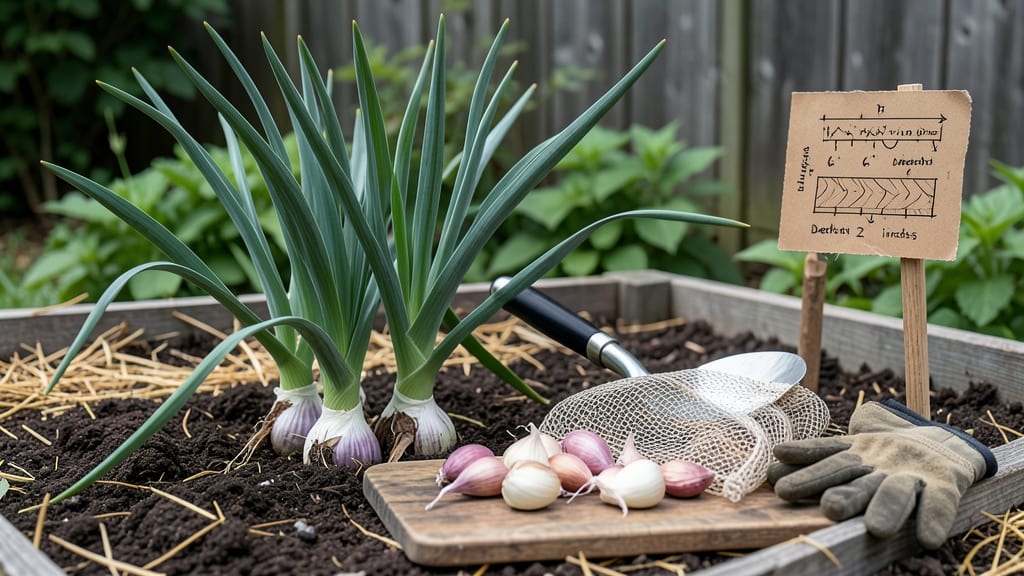
Planting garlic in West Virginia at the wrong time could mean the difference between a bumper crop of flavorful 🧄 bulbs and a disappointing harvest. The secret lies in matching your planting window to the region's chill-hour requirements—something that's often overlooked but makes all the difference.
With West Virginia's USDA Zone 6a climate, you've got a narrow but critical window to get those cloves in the ground. Timing isn't just about avoiding frost—it's about giving your garlic the exact cold exposure it needs to develop properly.
Get this right, and you're looking at plump, robust bulbs ready for harvest the following summer.
I've helped countless WV gardeners nail their garlic planting schedule, and the results speak for themselves. Whether you're a seasoned gardener or just starting out, understanding these regional specifics will transform your garlic-growing success rate. Let me show you exactly when and how to plant for maximum yield.
From soil preparation to variety selection, we'll cover everything you need to know to make this fall's planting your most productive yet. The key is working with your climate—not against it—and that starts with getting those cloves in the ground at the perfect moment.
West Virginia’s best planting windows for hardneck garlic by chill-hour zones
West Virginia’s USDA zones 4-6 create perfect conditions for hardneck garlic, but getting the planting timing right is everything. The key is matching your variety’s chill-hour requirements (300-600 hours below 40°F) with WV’s predictable winter patterns.
Plant too early, and your bulbs may bolt prematurely. Plant too late, and they won’t develop properly before summer heat arrives.
Most WV gardeners achieve the best results by planting between late September and early October. This window ensures garlic gets enough cold exposure while still allowing roots to establish before the ground freezes.
For example, in zone 6a (like Charleston or Morgantown), aim for October 1-15 to maximize bulb size and flavor intensity.
Here’s how chill hours break down by variety and planting window:
| Variety | Chill Hours Needed | Best WV Planting Window | Bulb Size Potential | Flavor Notes |
|---|---|---|---|---|
| Rocambole | 400-500 hours | Late Sept–Oct 15 | Large (3-5 oz) | Mild, sweet |
| German White | 500-600 hours | Oct 1–Nov 1 | Medium (2-4 oz) | Bold, pungent |
| Purple Stripe | 350-450 hours | Late Sept–Oct 10 | Medium (2-3 oz) | Complex, spicy |
Planting in early October gives you the best balance—enough chill hours for hardneck varieties while avoiding the risk of early winter freezes that can damage emerging shoots. In northern WV (zones 4-5), like Berkeley Springs, you might push planting to mid-October to ensure roots establish before ground freeze.
Late planting (after November 1) is risky but can work in zone 6a if your soil stays workable. Use a row cover to protect young plants from cold snaps. Just remember: bulbs planted after November 15 may not reach full size, resulting in smaller harvests.
For spring planting (not recommended but possible in emergencies), plant in early March when soil temperatures reach 40°F. However, spring-planted garlic rarely develops full-sized bulbs and is best reserved for green garlic harvests in late spring.
Pro tip: Use a soil thermometer to confirm soil temps are between 40-50°F before planting. This ensures roots grow actively without risking freeze damage. Aim for 6-8 weeks of growth before the first hard frost—this is your sweet spot for maximum bulb development.
If you’re new to garlic growing in WV, start with Rocambole—it’s the most forgiving variety for our climate and produces large, flavorful bulbs even with slight timing variations. Just remember: timing is everything for hardneck garlic in West Virginia!
How to adjust planting time for West Virginia’s unpredictable fall weather
West Virginia’s autumn weather can be as unpredictable as a mountain breeze—one day warm enough for shorts, the next bringing an early frost. To ensure your garlic thrives, you’ll need to adjust your planting timeline based on soil temperatures, frost dates, and local microclimates.
Unlike other crops, garlic needs a 40–50°F soil temperature to root properly before winter sets in.
If you plant too early, your cloves may sprout and get damaged by freeze-thaw cycles. Plant too late, and your garlic won’t get enough chill hours (300–600 hours below 40°F) to form bulbs properly.
The key is planting 4–6 weeks before the ground freezes, typically between mid-October and early November in most of WV.
Here’s how to handle WV’s variable conditions: Monitor your local first frost date (usually mid-October) and adjust your timeline. If your fall stays unseasonably warm, consider a second planting in early November—just be sure to use row covers if frost threatens before the soil cools.
🌡️ Adjusting for WV’s Fall Weather
- 1 Test soil temperature with a soil thermometer—aim for 40–50°F before planting.
- 2 Plant 4–6 weeks before frost. In WV, this is usually late September–early October, but adjust for your local microclimate.
- 3 Use row covers if early frost threatens. They protect young plants without trapping excess heat.
- 4 Consider a backup planting in early November if your fall stays warm. Choose smaller cloves for faster establishment.
- 5 Mulch heavily with straw or leaves (4–6 inches) to insulate soil and regulate temperatures.
For northern WV (USDA Zone 4), where winters are colder, aim for planting by mid-October to ensure enough chill hours. In southern WV (Zone 6), you might push planting to early November, but monitor soil temps closely.
If your garlic starts sprouting before winter, cover it with mulch to protect tender shoots.
Pro tip: Keep a gardening journal to track your local frost dates and soil temps over the years. This helps you fine-tune your planting schedule for future seasons. With WV’s variable weather, flexibility is key—don’t be afraid to adjust your timeline based on real-time conditions! 🌱