
Plants
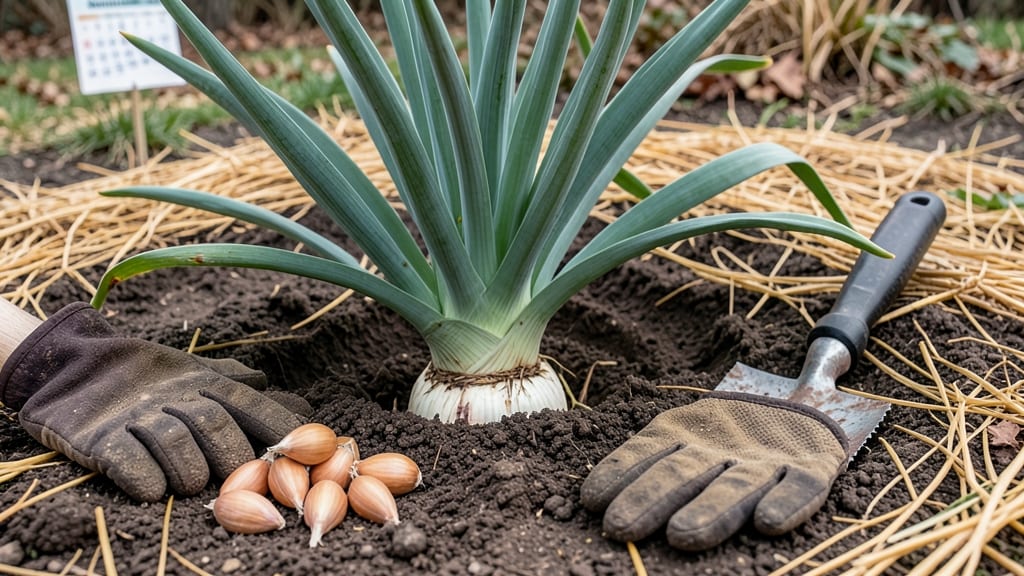
If you’ve ever planted garlic in Virginia (VA) and ended up with puny bulbs—or worse, nothing at all—you’re not alone. The secret to growing hardneck garlic that rivals grocery store prices lies in timing, and Virginia’s 7a-8a climate demands precision.
Plant too early, and your cloves might rot; too late, and they’ll bolt before harvest. But with the right chill-hour strategy, you can turn your fall garden into a bounty of 🧄 by next summer.
Here’s the truth: Virginia’s October–November window is your golden opportunity, but not all regions are created equal. Whether you’re in the cooler Piedmont or the milder Tidewater, matching your planting date to local frost patterns is the key.
I’ll break down exactly when to plant—plus how to adjust for heatwaves or early freezes—so you can skip the guesswork and start harvesting plump bulbs by June or July.
Most gardeners overlook one critical factor: chill hours. Hardneck varieties need 300–600 hours below 40°F to form bulbs, and Virginia’s 5,000–10,000 chill-hour zones mean your timing depends on where you live.
I’ll show you how to verify your local chill hours (yes, it’s easier than it sounds) and pick the perfect variety—whether it’s ‘Music’ for the mountains or ‘Silverskin’ for the coast—to guarantee a harvest that’ll make your neighbors jealous.
Ready to ditch the trial-and-error? Let’s dive into the exact planting schedule, soil prep tricks, and even how to protect your garlic from Virginia’s raccoons and squirrels.
By the end, you’ll know not just when to plant, but how to set yourself up for big, bold bulbs—no matter where you are in the state.
Virginia’s chill-hour zones and best garlic planting months by region
Virginia’s chill-hour requirements (5,000–10,000 hours below 40°F) determine when to plant hardneck garlic for optimal harvests. Unlike softneck varieties, hardnecks need cold exposure to form bulbs, making fall planting critical in VA’s USDA Zones 7a–8a.
Northern regions (e.g., Shenandoah Valley) thrive with October planting, while southern areas (e.g., Tidewater) may need to wait until November to avoid heat stress.
Hardneck varieties like ‘German White’ or ‘Music’ excel in VA’s climate, while ‘Silverskin’ (a softneck) tolerates milder winters. Southern VA’s warmer winters (Zone 8a) risk bolting if planted too early—always aim for 4–6 weeks before ground freeze. Check your local first frost date (mid-November average) to time planting precisely.
Here’s how VA’s regions break down for garlic planting:
| Region | Chill Hours | Best Planting Window | Recommended Varieties | Adjustments for Heatwaves |
|---|---|---|---|---|
| Northern VA (Zone 7a) | 9,000–10,000 | October 1–15 | ‘German White’, ‘Music’ | Plant by Oct 1; mulch heavily |
| Central VA (Zone 7b) | 7,000–8,500 | October 15–30 | ‘Chesnok Red’, ‘Inchelium Red’ | Avoid planting before Oct 15 |
| Southern VA (Zone 8a) | 5,000–6,500 | November 1–15 | ‘Silverskin’, ‘Artichoke’ | Wait for soil temps <50°F |
For Piedmont gardeners, aim to plant by October 30 to ensure cloves establish roots before winter. In Tidewater, delay until November 15 to prevent premature sprouting. Use a soil thermometer to confirm temps are below 50°F—garlic cloves won’t sprout in warm soil, even if planted early.
Pro tip: If your area experiences unseasonably warm falls (like 2023’s heatwaves), hold off planting until November 1 to avoid bolting. Mulch with straw or leaves (4–6 inches) after planting to insulate cloves and regulate soil temps.
Spring planting is possible in VA but yields smaller bulbs. If you miss fall, plant purple stripe garlic in February for a late-summer harvest, though it won’t match fall-planted quality.
Always source organic, disease-free cloves from local nurseries or catalogs like Johnny’s Selected Seeds. Avoid supermarket garlic—it’s often treated and won’t sprout reliably.
🌱
Step-by-step chill-hour verification for garlic planting success
Verifying your local chill hours is the secret weapon for Virginia garlic growers. Hardneck varieties like ‘Music’ or ‘German White’ need 300–600 hours below 40°F to form bulbs, but Virginia’s 5,000–10,000 chill-hour zones vary wildly from the mountains to the coast.
Here’s how to check yours in under 10 minutes using free NOAA tools—no PhD in meteorology required.
Start by visiting the NOAA Climate Data website (climate.noaa.gov) and search for your nearest weather station. Look for the “Heating Degree Days” or “Growing Degree Days” reports, then filter for temperatures below 40°F.
Most Virginia stations show 5,000–8,000 chill hours annually, but Piedmont areas often hit 10,000+ hours, while Tidewater may only reach 4,000–6,000. This data tells you exactly when to plant for maximum bulb development.
🌱Pro Tip: If your chill hours are below 5,000, consider pre-chilling cloves indoors for 4–6 weeks before planting. Place whole bulbs in a paper bag in your fridge (not the crisper drawer) to mimic winter conditions. This trick works wonders for coastal gardeners in USDA Zone 8a.