
Plants
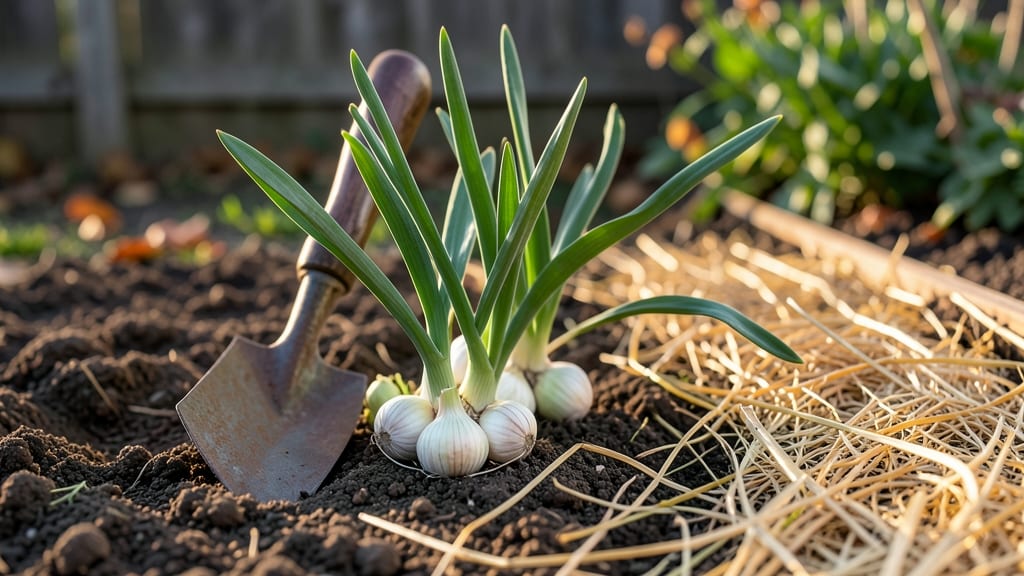
Ontario garlic planting calendar by hardiness Zone and chill-hours
Ontario’s diverse climate—spanning USDA hardiness zones 4 to 7—means garlic planting timing varies dramatically from Southern Ontario’s warmer zones to Northern Ontario’s colder regions. The key to success?
Matching your garlic variety’s chill-hour requirements (the number of hours below 4°C/39°F it needs to form bulbs) with your local frost dates. Most Ontario gardeners plant garlic in late September to early November, but exact timing depends on your zone and variety.
For example, hardneck garlic varieties (like ‘Music’ or ‘German Red’) thrive in zones 4–6 and need 900–1,200 chill-hours, while softneck varieties (like ‘Silverskin’) tolerate fewer chill-hours (300–600 hours) and suit zones 6–7.
Planting at the wrong time—either too early (risking rot) or too late (insufficient chilling)—can ruin your harvest. Let’s break it down by zone to find your perfect planting window.
🌱 Pro Tip: Use your last average frost date (typically mid-November in most of Ontario) as your deadline. Aim to plant 4–6 weeks before the ground freezes to give roots time to establish before winter.
If you’re unsure about your chill-hours, check your local Environment Canada frost data or use a chill-hour calculator (like the one from Ontario Ministry of Agriculture). For example, Toronto (Zone 6a) typically gets 800–1,000 chill-hours, while Sudbury (Zone 4b) sees 1,200+ hours.
Matching your variety to these numbers ensures bulbs form properly.
For hardneck garlic, which produces scape shoots in summer, aim for 900+ chill-hours—ideal for zones 4–6. Softneck garlic, like ‘Silverskin,’ tolerates 300–600 hours and works well in zones 6–7. Planting the wrong type can lead to small, weak bulbs or even no harvest at all.
🌿 Key Takeaway: Your planting window is a 4–6 week span before the ground freezes. Use the table above to pick your zone, variety, and exact dates—then mark your calendar!
How to time garlic planting for Ontario’s frost and soil conditions
Ontario’s unpredictable frost windows make timing your garlic planting a critical skill. Unlike warmer climates, garlic here needs a cold dormancy period—but planting too early or late can ruin your harvest.
The key? Soil temperature and frost prediction tools to nail that 4-6 week window before the ground freezes.
Most Ontario gardeners aim to plant between mid-September and mid-October, but your exact date depends on your hardiness zone and whether you’re growing hardneck or softneck varieties.
For example, gardeners in Zone 4 (northern Ontario) should plant by late September, while those in Zone 6 or 7 (southern Ontario) can push it to early November.
Here’s the golden rule: Plant when soil temperatures drop to 40–50°F (4–10°C). Use a soil thermometer to check—planting in colder soil can cause rot, while warmer soil may trigger premature sprouting. If your soil is still above 50°F (10°C) in October, wait a week or two.
⚠️ Common Mistakes to Avoid
💡 Action Tip: Use a soil thermometer and aim for 40–50°F (4–10°C) before planting.
Urban gardeners with limited space can use containers or raised beds to extend their planting window slightly. These warm up faster in spring and drain better, reducing the risk of waterlogged soil in early fall.
Just ensure your containers have drainage holes and use a lightweight potting mix to prevent freezing.
For those in Zone 5 or colder, consider straw mulching after planting. A 4–6 inch layer of straw insulates the soil, protecting cloves from freeze-thaw cycles and keeping them dormant until spring. Remove the mulch in early March to allow soil warming and sprouting.
Finally, keep an eye on frost prediction tools like the Environment Canada frost forecast or local gardening apps. If a hard frost is expected within 2–3 weeks, it’s time to plant—even if your soil isn’t perfectly chilled. Garlic is resilient, but timing is everything for those plump, flavorful bulbs.