
Plants
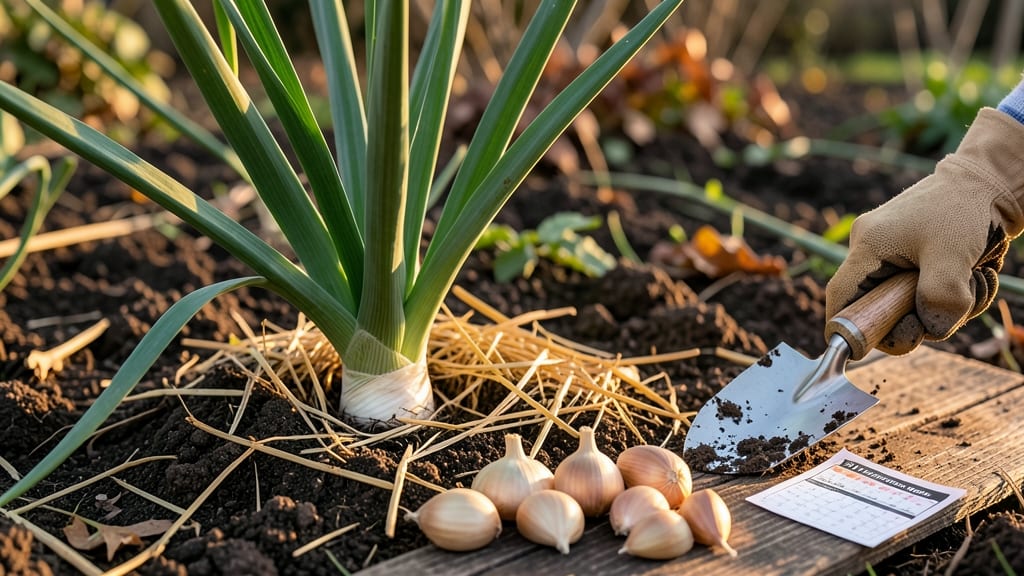
Timing your 🧄 garlic planting in North Carolina can make or break your harvest—especially when avoiding frost damage is critical. Whether you're growing hardneck or softneck varieties, getting the window right ensures strong, healthy bulbs by next summer.
Most NC gardeners know garlic thrives in cool weather, but the exact timing varies between USDA zones 7a-8b. Plant too early, and cloves may rot; too late, and they won’t vernalize properly.
The key is planting 4-6 weeks before the ground freezes, typically between mid-October and mid-November for hardnecks.
Softnecks, which don’t require cold, can go in slightly earlier—sometimes as early as September in warmer coastal areas. But even these need protection if frost hits unexpectedly. I’ll walk you through the exact calendar, soil prep, and frost-risk strategies tailored to your region.
Ready to grow garlic that’s plump, flavorful, and ready by late June? Let’s dive into the best planting schedule, spacing tips, and how to shield your crop from NC’s unpredictable winters.
North Carolina garlic planting calendar: hardneck vs softneck frost-free windows
North Carolina’s diverse climate—from the cool mountain air of Zone 7a to the milder coastal areas of Zone 8b—means garlic planting timing varies dramatically. Hardneck varieties like Rocambole and German White need cold winters to form bulbs, while softneck types like Silverskin thrive in warmer winters.
Planting at the wrong time can lead to bolting (premature flowering) or frost damage, ruining your harvest.
To maximize your yield, align planting with soil temperatures and frost patterns. Hardneck garlic should go in the ground 4–6 weeks before the first frost, while softneck varieties have a slightly longer window. The key is avoiding freezing soil—once the ground hardens, cloves won’t root properly.
For Zone 7a gardeners in the mountains, aim to plant hardneck garlic by November 15 at the latest. The colder winters here are ideal for hardnecks, but softnecks may struggle with excessive cold.
In Zone 8b, coastal areas benefit from planting softnecks earlier—by October 15—to avoid winter rains that can cause rot.
Soil temperature is your best guide. Use a soil thermometer to confirm it’s between 40–60°F before planting. In Zone 7a, wait until soil cools below 50°F for hardnecks; in Zone 8b, softnecks can tolerate slightly warmer soil up to 60°F.
Planting too early in warm soil risks premature sprouting and weak roots.
Hardneck garlic needs 60–90 days of cold temperatures (below 40°F) to form bulbs properly. If you’re in a warmer microclimate (like the Piedmont region), choose bolting-resistant varieties like ‘Music’ or ‘German Red’ to prevent flowering.
Softnecks, meanwhile, don’t require cold and can even be planted in early spring (February–March) for a summer harvest.
Pro tip: Mark your calendar for late January in Zone 7a or early February in Zone 8b to check for shoots emerging. This confirms your garlic is establishing roots.
If you see nothing by then, your cloves may need replanting or were buried too deep (2 inches max).
Harvest timing also shifts by variety. Hardnecks mature in 90–120 days, while softnecks take 100–130 days. In North Carolina, this means hardnecks are ready by late June, and softnecks by early July.
Wait until lower leaves turn brown and the bulb feels firm—this is your cue to dig!
🌱
How to adjust garlic planting for North Carolina’s microclimates and frost risks
North Carolina’s diverse climate—from the cool mountain air of the Blue Ridge to the milder coastal plains—means one-size-fits-all planting advice won’t work for garlic.
In Zone 7a (western NC), where winters are harsher, timing is critical to avoid frost damage, while Zone 8b (coastal areas) offers a longer window but risks warmer winters causing bolting. Let’s break down how to adjust your planting strategy based on your specific microclimate.
For gardeners in Zone 7a (Asheville, Boone, or the mountains), hardneck garlic must be planted early enough to experience 40–60 days of cold temperatures (vernalization). This means getting cloves into the ground by October 31 at the latest.
If you’re in a high-elevation pocket where frost arrives early, consider planting by October 15 to ensure cloves establish roots before the ground freezes.
Plant hardneck garlic by October 31 to ensure cloves vernalize (require cold) before ground freezes. Use row covers if temps drop below 20°F post-planting.
Softneck garlic thrives planted by November 1; hardneck may bolt (flower prematurely) if planted after October 15. Prioritize well-draining sandy loam to avoid rot.
For late plantings: Mulch with straw (4–6 inches) after ground freezes to insulate cloves. Avoid plastic mulch—it traps moisture and promotes rot.
Amend clay soils with compost + sand (50/50 mix) to prevent waterlogging. Test pH (6.0–7.0 ideal); add lime if below 6.0.
If you’re in Zone 8b (Wilmington, Raleigh, or the Piedmont), softneck garlic is your best bet, as it doesn’t require cold vernalization. Plant by November 1 to avoid the warm winters that can cause hardneck varieties to bolt.
For hardneck garlic in this zone, stick to early October plantings—any later, and you risk premature flowering, which weakens bulb development.
North Carolina’s unpredictable frost patterns can throw off even the best-laid plans. If you’re planting late in November and a frost warning hits, don’t panic. Mulch immediately with straw or leaves (4–6 inches thick) to protect cloves.
This acts like a natural blanket, insulating the soil and preventing freeze-thaw damage. Avoid synthetic mulches like plastic, which can lock in moisture and encourage rot.
Another common challenge in NC is clay-heavy soils, especially in the Piedmont region. Garlic hates soggy roots, so amend your soil with a 50/50 mix of compost and coarse sand before planting. Aim for a well-draining, loose soil that mimics the conditions garlic thrives in.
If your soil’s pH is below 6.0, add pelletized lime in early fall to give it time to adjust before planting.
By tailoring your planting schedule to your specific microclimate and preparing your soil properly, you’ll give your garlic the best shot at thriving—no matter where in North Carolina you garden. 🌱