
Plants
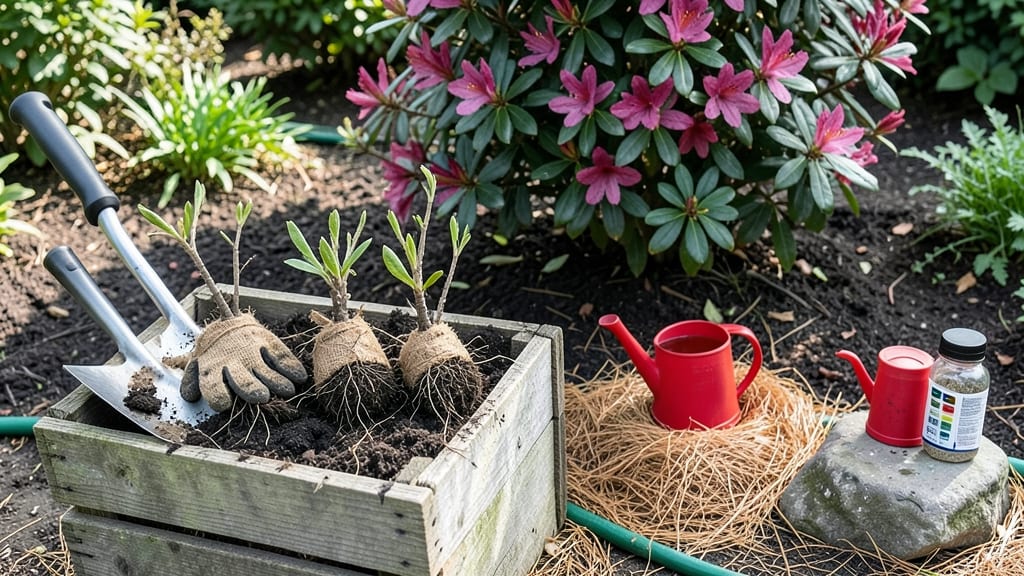
Planting azaleas in Texas at the wrong time could mean the difference between a thriving 🌸 shrub and a sad, wilted mess by summer. The key isn't just picking a month—it's understanding how Texas' varied climates (from North to South) change everything about timing, soil, and survival.
If you're in Zone 8a (North Texas), late frosts can still hit in March, while coastal areas like Houston rarely see frost after February. That means your perfect planting window might be October for inland gardeners but February for those near the Gulf.
Let's break down exactly when to plant where—and how to give your azaleas the best shot at blooming beautifully year after year.
You'll also discover why fall planting (October-December) is the gold standard for Texas gardeners, how to prep soil for azaleas' acid-loving roots, and smart tricks to protect them from our brutal summers. No more guessing—just proven strategies tailored to your specific corner of the Lone Star State.
Ready to transform your yard into a vibrant azalea display? The secrets start with knowing when to plant—and we've got the Texas-specific answers you need to make it happen without the stress.
Best planting months for azaleas in Texas by region (coastal vs inland)
Texas’s diverse climate—from the humid Gulf Coast to the dry North Texas plains—means azalea planting timing varies wildly.
In Houston or Corpus Christi, you can plant year-round with minimal frost risk, while Dallas or Fort Worth gardeners must time it perfectly to avoid late frosts that can kill tender roots. The key? Plant when soil temps stay above 60°F and nights stay above 40°F.
For most of Texas, fall (October–December) is ideal because cooler temps help roots establish before summer’s brutal heat. But coastal areas like Galveston can plant as late as February, while North Texas (Zone 8a) must finish by November 15 to avoid frost.
Let’s break it down by region so you never guess again.
🌱 PRO TIP: Always check your local USDA Zone—North Texas (Zone 8a) is far riskier than South Texas (Zone 10a). Use the Texas A&M AgriLife Extension frost maps to double-check.
🌿 Azalea Planting Window by Texas Region
| Region | USDA Zone | Best Planting Months | Avoid Planting After | Soil Temp Requirement |
|---|---|---|---|---|
| Gulf Coast (Houston, Corpus Christi) | 9b–10a | October–March | April (summer heat stress) | 60°F+ |
| Central Texas (Austin, San Antonio) | 8b–9a | October–November, February | December 15 (frost risk) | 60°F+ |
| North Texas (Dallas, Fort Worth) | 8a | October–November | November 15 (frost risk) | 55°F+ |
| West Texas (El Paso, Midland) | 7b–8a | September–October | November 1 (frost risk) | 50°F+ |
🌡️ Soil temp tip: Use a soil thermometer—roots need 60°F+ to thrive.
If you’re in North Texas (Zone 8a), aim for October 1–November 15—this gives roots time to establish before winter dormancy. Miss this window? Try early February, but monitor weather forecasts for late frosts.
In Central Texas (Zone 8b–9a), you’ve got a little more flexibility: plant through February, but avoid March if temps dip below 45°F at night.
For coastal gardeners (Zones 9b–10a), the window is wide open—plant October through March with zero frost worries. Just watch for hurricane season (June–November); avoid planting during storms to prevent root damage.
If you’re in West Texas, stick to September–October—summer heat and winter frosts are brutal for azaleas.
⚠️ WARNING: Never plant azaleas in summer (June–August)—Texas heat causes transplant shock and root burn. If you must plant in summer, use shade cloth and daily watering to survive the heat.
Pro tip: Check the Texas Cooperative Extension for your county’s last frost date. In Dallas, it’s usually March 15, while Houston rarely sees frost. Planting 6–8 weeks before your last frost gives roots time to anchor before spring growth.
Need more precision? Look for ‘George L. Taber’ azaleas—they’re cold-hardy down to 10°F and perfect for North Texas. Or try ‘Southern Indica’ for coastal areas—it thrives in humidity and heat.
Ready to plant? Grab your garden gloves and soil thermometer**, then pick your region’s best window from the table above. Your azaleas will thank you with vibrant blooms next spring! 🌸
Best planting months for azaleas in Texas by region (coastal vs inland)
Texas’s diverse climate means azalea planting timing varies wildly from the Gulf Coast to the Hill Country. In North Texas (Zones 8a-8b), where late frosts linger until mid-March, your window is tight—plant in October or November to give roots time to establish before summer heat.
Meanwhile, South Texas (Zones 9b-10a) gardeners can plant as late as February, thanks to rare frosts and milder winters.
For Central Texas (Zones 8b-9a), like Austin or San Antonio, aim for late October through December—this balances frost risk with soil warmth. Coastal areas (Houston, Corpus Christi) have the luxury of planting through January, but avoid summer heat entirely.
Remember: fall planting is ideal because cooler temps reduce transplant shock, while spring planting risks summer stress.
| Region | USDA Zone | Best Planting Months | Avoid Planting | Key Risk |
|---|---|---|---|---|
| North Texas (Dallas, Fort Worth) | 8a-8b | October–November | March–May, July–August | Late frost (March 15) |
| Central Texas (Austin, San Antonio) | 8b-9a | Late October–December | February–April, June–August | Summer drought stress |
| South Texas (Houston, Corpus Christi) | 9b-10a | October–February | May–September | Extreme summer heat |
If you’re in North Texas, prioritize October planting—this gives roots 3–4 months to establish before summer’s brutal heat.
For Central Texas, December is your last safe month before winter dormancy sets in. South Texas gardeners can stretch planting into early February, but avoid March due to unpredictable late frosts near the coast.
Pro tip: Check your local first frost date (e.g., November 15 in North Texas) and plant 6–8 weeks before to ensure roots have time to anchor. For example, if frost hits November 15, aim for October 1–15 planting.
Use a soil thermometer to confirm temps are above 60°F—cold soil slows root growth dramatically.
For urban gardeners in cities like Dallas or Houston, container planting extends your window. Pots warm up faster in spring, so you can transplant outdoor February–March without frost risk. Just ensure containers have drainage holes and use acidic potting mix (pH 5.0–6.0).
Missed the fall window? Don’t panic—early spring planting (February–March) works if you’re in Zones 9a–10a. Just mulch heavily to retain moisture and shade young plants from hot afternoon sun. In North Texas, spring planting is riskier due to drought stress, so prioritize fall.