
Plants
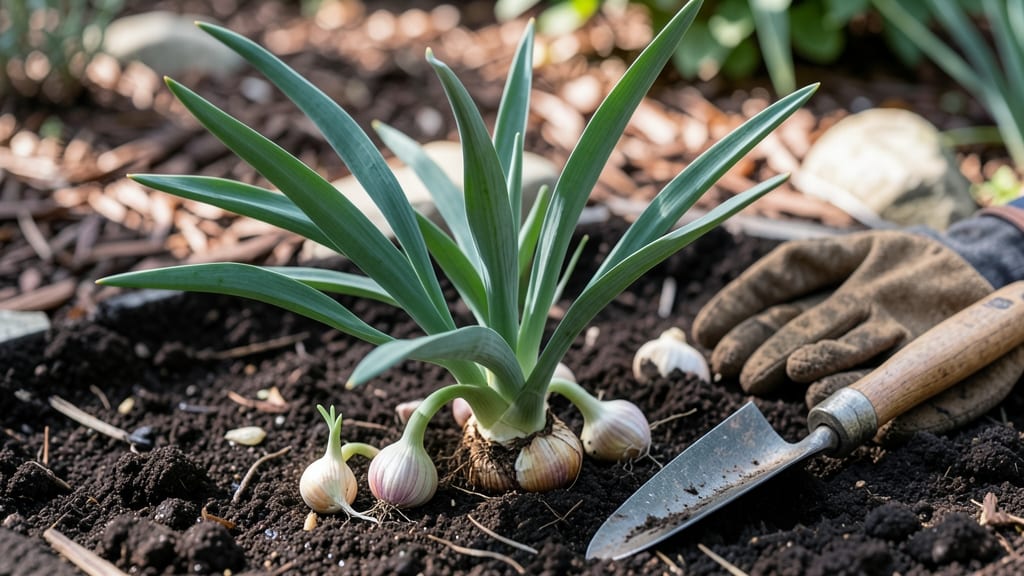
Timing your garlic planting in Ohio spring isn’t just about the calendar—it’s about matching your variety to Ohio’s unique chill-hour requirements to ensure bulbs plump up perfectly by harvest season.
If you’ve ever wondered why some gardeners swear by fall planting while others swear by spring, the answer lies in Ohio’s 6a climate zone and how different garlic types—like hardneck and softneck—need specific cold exposure.
Getting this right means the difference between small, weak bulbs and bold, flavorful harvests ready by late June.
I’ll break down the exact 4-6 week window in March or early April that works best for Ohio, plus how to adjust based on whether you’re growing hardneck (which needs more chill hours) or softneck (which is more forgiving). No more guessing—just science-backed timing for your 🧄 garden’s success.
Ready to plant with confidence? Let’s dive into the chill-hour chart and soil prep tips that’ll set you up for a harvest to brag about.
Ohio spring garlic planting dates by chill-hour needs (hardneck vs softneck)
Ohio gardeners often debate whether to plant garlic in fall or spring, but the real secret lies in matching your variety to Ohio’s chill-hour requirements. Hardneck varieties need 400–900 chill hours, while softnecks thrive with 300–600 chill hours.
Spring planting works in Ohio, but timing depends on your USDA zone and last frost date.
Most Ohio gardeners plant garlic in fall (October–November) for larger bulbs, but spring planting is ideal for softneck varieties or if you missed the fall window. For spring planting, aim for 2–3 weeks before your last frost date—typically mid-March to early April in most of Ohio.
Northern Ohio (USDA zones 5b–6a) has colder springs, so plant hardneck garlic like ‘German White’ or ‘Music’ by March 15–April 1. Southern Ohio (zones 6b–7a) can plant softneck varieties like ‘Silverskin’ slightly later, around March 30–April 15.
| Variety Type | Chill Hours Needed | Best Ohio Planting Window (Spring) | Ideal USDA Zones | Harvest Time |
|---|---|---|---|---|
| Hardneck (e.g., Rocambole, Purple Stripe) | 400–900 | March 15–April 1 | 5b–6a (Northern Ohio) | Late June–July |
| Softneck (e.g., Silverskin, Artichoke) | 300–600 | March 30–April 15 | 6b–7a (Southern Ohio) | Mid-July–August |
Soil temperature is critical—garlic cloves won’t sprout in cold soil (below 40°F). Use a soil thermometer to confirm 45–50°F soil temps before planting. In Ohio’s unpredictable springs, wait until the ground warms naturally or use black plastic mulch to speed up heating.
Adjust your planting date if your spring is early or late. For example, if you experience unusually warm March temps, plant hardneck varieties by late February to avoid heat stress. Conversely, if frost lingers, delay until April 15 to prevent frost damage.
Spring-planted garlic in Ohio may yield smaller bulbs than fall-planted, but it’s a reliable backup. Focus on well-draining soil and consistent moisture to maximize bulb size. Mulch with straw or leaves to retain moisture and regulate soil temperature.
Pro tip: Plant smaller cloves (not the largest) for better bulb formation. Break apart garlic bulbs and use cloves from the outer rings, which produce the largest harvests. Space them 4–6 inches apart in rows 12 inches apart for optimal airflow.
Monitor your garlic’s progress—hardneck varieties send up scape stalks (flower stems) in spring, which you should remove to boost bulb size. Softnecks won’t scape, so focus on watering and weeding instead. Both types benefit from light fertilization in early spring with a balanced 10-10-10 mix.
By aligning your planting with Ohio’s chill-hour zones and soil conditions, you’ll avoid common pitfalls like poor bulb formation or stunted growth. Spring planting is entirely doable—just stay flexible and ready to adjust for Ohio’s variable weather! 🌱
Ohio spring garlic planting dates by chill-hour needs (hardneck vs softneck)
Ohio gardeners often debate whether to plant garlic in fall or spring, but the real key is matching your variety to Ohio’s chill-hour requirements. Hardneck varieties need 400–900 chill hours, while softnecks thrive with 300–600 chill hours.
Spring planting in Ohio works best for hardnecks, especially in USDA zones 6a–6b, where winters provide enough cold. Southern Ohio may need early spring planting to accumulate chill hours before summer heat arrives.
For spring planting, aim to get cloves in the ground 4–6 weeks before your last frost date (typically March 1–15 in Ohio). This gives bulbs time to establish roots before rapid growth in spring.
Hardnecks planted too late may not develop properly, while softnecks can sometimes tolerate later dates but risk smaller yields. Timing isn’t just about the calendar—it’s about soil temperature (wait until it reaches 40°F consistently).
Did you know? Ohio’s climate varies dramatically from north to south—northern counties (like Ashtabula) may need earlier spring planting than southern areas (like Cincinnati). Always check your local last frost date and adjust accordingly. For example, if your area has a late April frost, plant by mid-March to avoid delays.
| Variety | Chill Hours Needed | Ideal Ohio Spring Planting Window | Notes for Ohio Gardeners |
|---|---|---|---|
| Hardneck (e.g., Rocambole, German Red) | 400–900 | March 1–15 (Northern OH) / March 15–30 (Southern OH) | Best for northern Ohio; needs cold to form bulbs. |
| Softneck (e.g., Silverskin, Artichoke) | 300–600 | March 15–April 15 (Flexible) | Tolerates later planting; better for southern Ohio. |
| Elephant Garlic (Hardneck Hybrid) | 500–700 | March 1–20 (All OH) | Larger bulbs; plant early for best results. |
If you’re planting in southern Ohio (USDA 6b–7a), prioritize softneck varieties like Silverskin, which can handle later spring planting. In northern Ohio (USDA 5b–6a), hardnecks like German Red or Rocambole will produce larger bulbs if planted early.
Pro tip: Use a soil thermometer to confirm the ground is at least 40°F—planting too early in cold soil can stunt root growth.
Spring-planted garlic in Ohio may not reach the same size as fall-planted varieties, but it’s a great backup if you missed the fall window.
To maximize success, choose large, firm cloves from the outer skin of the bulb (they produce the biggest harvests) and plant them 2 inches deep, 4 inches apart. Mulch heavily with straw or leaves to retain moisture and protect from frost.
Remember: Ohio’s spring weather is unpredictable. If a late frost hits after planting, don’t panic—garlic is hardy down to 20°F, but young shoots may need temporary protection. Monitor your garden closely, and adjust watering to keep soil consistently moist (but not soggy) until bulbs form in late spring.
With the right timing, your spring-planted garlic can still yield plump, flavorful bulbs by harvest season! 🌱