
Plants
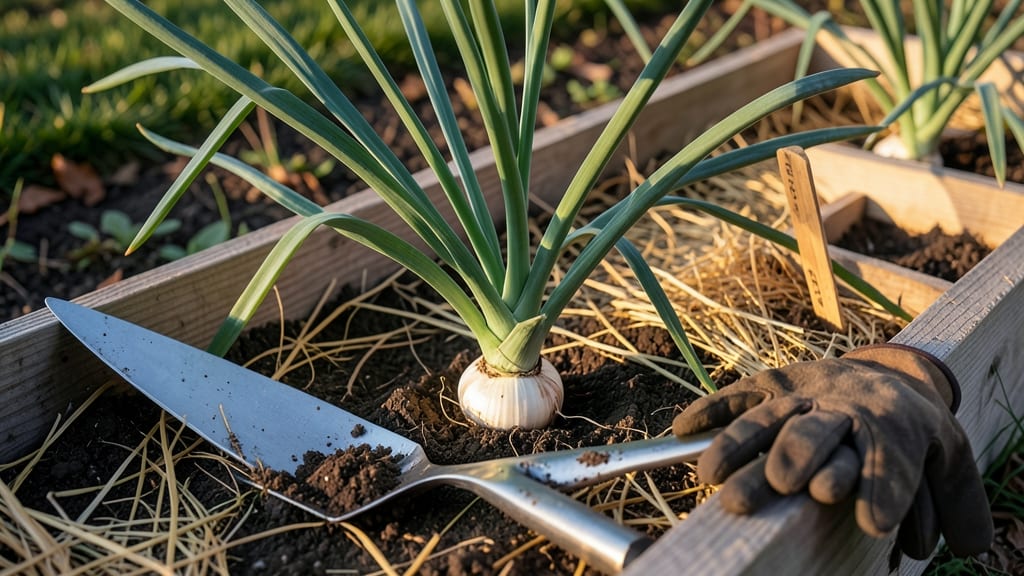
Timing your 🧄 garlic planting just right in New Jersey can make all the difference between a thriving crop and a missed opportunity. Fall is the sweet spot for hardneck varieties, which love the cold winters of your 6a zone—but getting the exact window matters more than you might think.
Most gardeners in New Jersey rush planting too late, risking frost damage before roots establish. I’ve learned the hard way that October through mid-November is your golden window, when soil temps drop to that perfect 40–50°F range. This timing ensures strong root growth before winter dormancy kicks in.
Why does this matter? Because hardneck garlic—your best bet for New Jersey’s climate—needs 6–8 months of cold to form those prized bulbs. Plant too early, and you’ll waste space; too late, and your harvest shrinks. Let me show you exactly how to nail that window for maximum yield.
We’ll cover soil prep, moon phases (yes, they matter!), and how to adjust for late falls. By the end, you’ll know exactly when to plant for bigger, healthier garlic—and avoid the common mistakes that leave others scratching their heads in July.
Ideal fall planting dates for garlic in New Jersey’s climate zones
New Jersey’s USDA Zone 6a climate creates perfect conditions for growing hardneck garlic, but timing is everything. Planting too early or late can stunt bulb development or leave your crop vulnerable to winter extremes.
The ideal window spans from late September to mid-November, aligning with soil temperatures between 40–50°F—critical for root establishment before dormancy.
In northern NJ (e.g., Bergen or Passaic counties), aim for late September to early October to avoid early frosts.
Southern regions like Atlantic City can extend planting until mid-November, but never after the first hard frost. Hardneck varieties like ‘German White’ or ‘Music’ need this cold period to form large bulbs, while softneck types are more flexible.
Use your last frost date (around April 15 in NJ) as a backward count: plant 4–6 weeks before the ground freezes solid. For example, if frost arrives November 1, your last planting date is early October. This timing ensures roots anchor before winter dormancy begins.
Soil temperature is your best guide. Use a soil thermometer to confirm 50°F or below at 4-inch depth. If temps drop faster than expected, cover beds with straw mulch (4–6 inches) to insulate cloves. In cooler microclimates (e.g., highland areas), plant earlier to compensate.
Moon phases also play a role for hardneck garlic. Planting during a waxing moon (when the moon is growing brighter) encourages stronger root development. Check lunar calendars for New Jersey-specific planting dates—October 15–31 often aligns with ideal phases for fall planting.
Here’s how New Jersey’s microclimates break down for garlic planting:
| Region | Ideal Planting Window | Soil Temp Threshold | Key Variety |
|---|---|---|---|
| Northern NJ (Zone 6a) | Late Sept–Early Oct | 45–50°F (4-inch depth) | ‘German White’ |
| Central NJ (Zone 6b) | Mid-Sept–Mid-Nov | 40–48°F | ‘Music’ |
| Southern NJ (Zone 7a) | Late Sept–Early Dec | 42–50°F | ‘Silverskin’ |
For container gardening in NJ, plant 4–6 weeks earlier than in-ground beds since pots cool faster. Use black plastic mulch to warm soil in early fall or straw mulch to insulate later plantings. Avoid planting after November 15—cloves won’t establish roots before freezing.
Pro tip: If you miss the fall window, spring planting is possible but yields smaller bulbs. For spring, plant as soon as soil thaws (March–April), but expect 30–50% smaller harvests compared to fall-planted garlic. Hardnecks are riskier in spring—they need cold vernalization to form properly.
Test your soil’s pH (6.0–7.0) and drainage before planting. Amend with compost or aged manure to improve fertility. In heavy clay soils (common in northern NJ), mix in sand or perlite to prevent waterlogging, which rots cloves.
Mark your calendar for October 15–November 1—this is peak planting time for New Jersey gardeners. With the right timing, you’ll harvest plump, flavorful bulbs by July or August and enjoy homegrown garlic year-round! 🧄
Signs your New Jersey garlic planting time is perfect (or too late)
Getting your garlic planted at the ideal time in New Jersey means watching for specific soil temperature cues and moon phases that signal readiness. For hardneck varieties, the perfect window occurs when soil temps drop to 40–50°F—usually between late September and mid-November.
This cold exposure triggers bulb formation, so planting too early (when soil is still warm) can delay growth.
One of the most reliable indicators is the first hard frost. In New Jersey’s Zone 6a, aim to plant 4–6 weeks before the ground freezes—typically by mid-November.
If you miss this window, late plantings can still work, but bulbs may be smaller. Use a soil thermometer to confirm temps before committing to planting.
🌱
⚠️ Late Planting Risks in NJ
Planting garlic too late (after November 15) can lead to:
- Stunted bulbs due to limited growing time
- Fungal issues from wet soil in winter
- Poor scape production (for hardnecks)
Another often-overlooked factor is the moon’s phase. Hardneck garlic thrives when planted during the waning moon (after the full moon), as this aligns with the plant’s natural rooting cycle. Check a lunar planting calendar for NJ’s specific dates—this can boost bulb size by 10–15%.
Pair this with well-draining soil (sandy loam works best) to prevent rot during winter’s thaw cycles.
If you’re unsure about timing, test your soil with a simple finger check: Push your hand 4 inches deep. If the soil feels cool but not frozen, it’s ready. Avoid planting if the ground is rock-hard or icy, as this can damage cloves.
For container gardening, use well-draining pots and plant slightly earlier (late October) to account for slower soil warming in pots.
Common mistakes include planting too shallowly (less than 2 inches) or too deeply (over 4 inches), which disrupts root development. Space cloves 4–6 inches apart in rows 12 inches apart to allow airflow and reduce disease risk.
After planting, apply a 2-inch layer of mulch (straw or shredded leaves) to protect cloves from freeze-thaw cycles that can heave them out of the soil.
For last-minute adjustments, consider a cold frame if frost arrives early. This extends the planting window by 2–3 weeks while maintaining ideal soil temps. Just remove the frame in spring once soil temps rise above 50°F to prevent overheating.
With these signs in mind, you’ll nail your New Jersey garlic planting every time! 🌿