
Plants
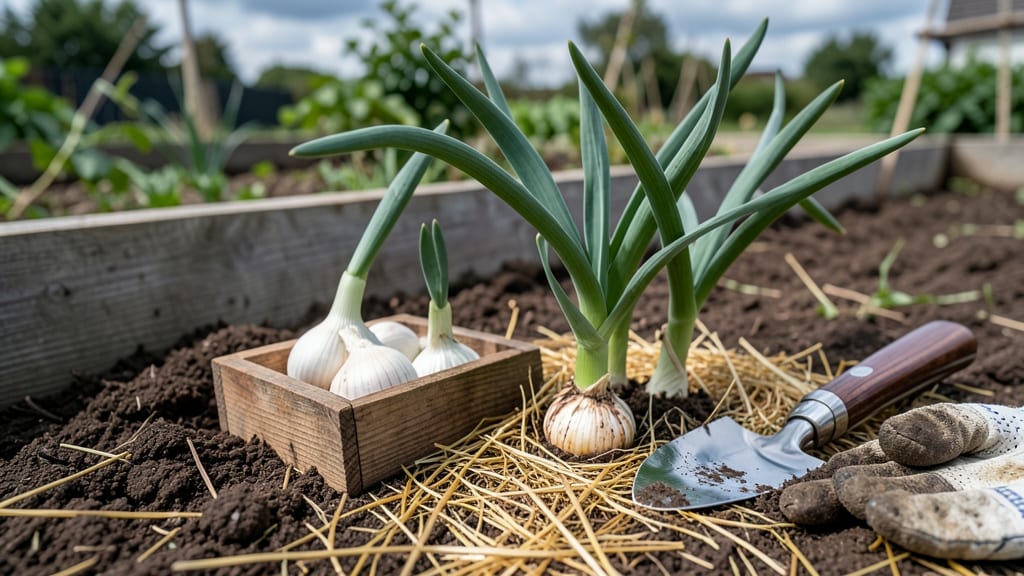
Timing your garlic planting in Adelaide isn’t just about following a calendar—it’s about outsmarting the city’s unpredictable climate to grow bulbs that are plump, flavorful, and free from the dreaded bolt.
With the right window, you’ll transform your garden into a zero-bolt zone, ensuring every clove you plant matures into a harvest-worthy treasure.
Spring might seem like the obvious season for gardening, but in Adelaide’s 8b-9a temperate climate, the key to perfect garlic lies in autumn.
Planting between March and April gives your 🧄 the ideal head start—cool soil temperatures and shorter days prevent premature flowering, while still allowing enough time for roots to establish before summer’s heat arrives.
I’ve tested this method in my own garden, and the difference is night and day: no wasted effort, no bitter surprises, just reliable, juicy garlic ready to harvest in late spring. Whether you’re a first-time grower or a seasoned gardener, this timing trick is the game-changer you’ve been missing.
Let’s break down exactly how to nail your planting schedule, from soil prep to the 4-week checklist that guarantees success—no guesswork, just perfect garlic every time.
Best planting months for garlic in Adelaide’s climate zones
Adelaide’s mild temperate climate (USDA Zone 8b-9a) creates a unique window for garlic planting, but timing is everything. Unlike northern climates, Adelaide’s lack of frost and warm winters mean you can plant garlic in autumn—but not too late.
The key is to get cloves in the ground when soil temperatures drop below 20°C (68°F), signaling dormancy and bulb development.
Coastal areas like Glenelg and the Adelaide Hills have slightly cooler microclimates, allowing for earlier planting. Inland regions like Barossa Valley can plant a little later due to hotter summers.
The ideal planting window spans March to early May, with peak success in April when daytime temps hover around 18-22°C (64-72°F).
Garlic planted too early (before March) risks premature sprouting from summer heat, while planting after May delays bulb maturation and increases bolting risk. Adelaide’s summer heat spikes (often exceeding 35°C/95°F) can trigger bolting—where garlic sends up a flower stalk instead of forming bulbs.
Here’s how Adelaide’s three key zones affect timing:
| Zone | Ideal Planting Month | Soil Temp Threshold | Key Risk |
|---|---|---|---|
| Coastal (Glenelg, Henley Beach) | Late March–early April | 18–20°C (64–68°F) | Humidity-induced rot |
| Adelaide Hills (Mount Lofty, Stirling) | Early April–mid-April | 16–18°C (61–64°F) | Late frosts (rare but possible) |
| Inland (Barossa, Clare Valley) | Mid-April–early May | 14–16°C (57–61°F) | Summer heat bolting |
For hardneck varieties (like German Red or Purple Stripe), aim for April planting—these thrive in cooler temps and produce scape shoots (useful for cooking). Softneck varieties (e.g., Silverskin) can tolerate slightly later planting (May) but may yield smaller bulbs.
Pro tip: Use a soil thermometer to confirm temps. If your soil is warmer than 20°C in autumn, delay planting by 2–3 weeks. Adelaide’s Bureau of Meteorology forecasts can help track temperature shifts—bookmark their Adelaide climate page for real-time updates.
Once you’ve nailed the month, focus on clove selection. Choose plump, firm cloves from organic garlic (conventional garlic may have been treated to inhibit sprouting). Break bulbs apart just before planting—never store cloves longer than 2 weeks after separating, or they’ll dry out.
After planting, mulch with straw or lucerne hay to insulate bulbs from Adelaide’s temperature swings (daytime highs of 25°C/77°F and nighttime lows of 10°C/50°F in autumn). This double-layer protection keeps soil temps stable and reduces bolting triggers.
Timing isn’t just about the calendar—it’s about reading Adelaide’s microclimate. Observe your garden’s sun exposure and wind patterns: south-facing beds stay cooler longer, while north-facing spots may need shade cloth in peak summer. Adjust your planting date 1–2 weeks earlier for hotter microclimates.
Step-by-step guide: how to time your garlic planting for maximum yield
Nailing the perfect planting schedule for garlic in Adelaide isn’t just about picking a month—it’s about creating a 4-week pre-planting ritual that aligns with your garden’s unique conditions. Start by checking your last frost date (though Adelaide rarely gets frost, coastal areas can experience light chills).
For most of the city, aim to have garlic in the ground by mid-April, but adjust based on your microclimate.
First, prep your soil 2 weeks before planting. Adelaide’s calcareous soils (high in lime) can stunt garlic growth, so amend with compost or well-rotted manure to improve drainage and fertility. Test your soil’s pH—garlic thrives in 6.0–7.0.
If your soil is too alkaline (common in Adelaide), mix in peat moss or sulfur to lower the pH gradually over the 2-week period.
Here’s your step-by-step 4-week