
Plants
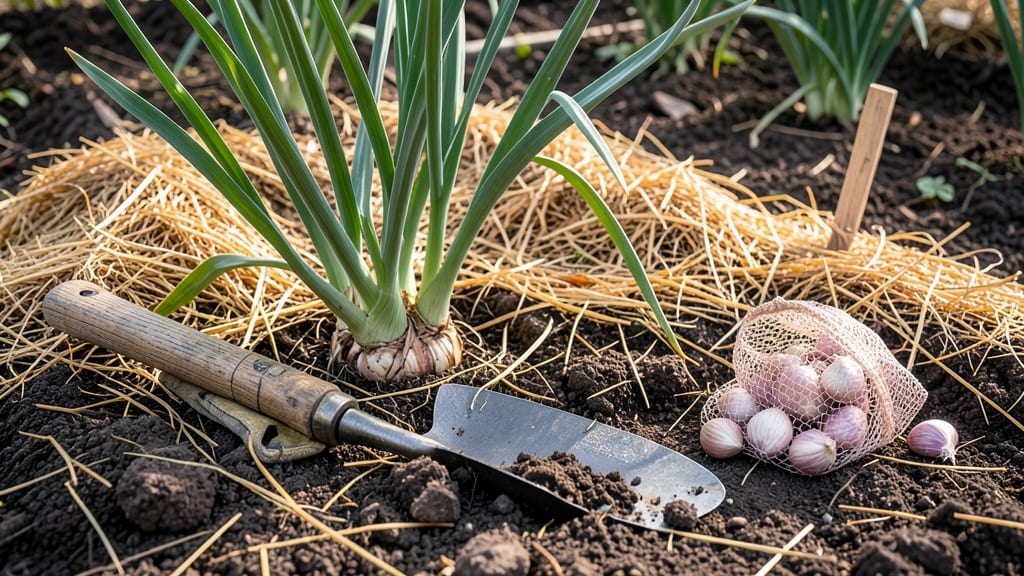
If you're wondering when to plant garlic in 6b, timing is everything—and getting it right could mean the difference between a harvest of plump, flavorful bulbs and a disappointing flop.
The 4-6 week rule before your first frost isn't just a suggestion; it's the secret to growing 🧄 garlic that's ready to harvest next summer.
Zone 6b gardeners know the stakes: plant too early, and your cloves might rot over winter; too late, and your harvest will be small or weak. The ideal window falls between late October and mid-November, when soil temperatures dip but the ground stays workable.
This balance lets your garlic establish roots before winter sets in, setting the stage for a bigger, more robust crop.
But here's the thing—it's not just about the calendar. Soil prep, clove size, and even your local microclimate play a role. Whether you're a first-timer or a seasoned gardener, mastering these details will help you avoid common mistakes and maximize your yield.
Let's break down exactly what you need to know to plant garlic at the perfect time in Zone 6b.
From choosing the right bulb size to spacing your plants correctly, every step matters. By the end of this guide, you'll have a clear, actionable plan to ensure your garlic thrives—so you can enjoy a harvest that's worth the wait. Ready to get started?
Optimal planting windows in Zone 6B: exact weeks before frost for Hardneck vs Softneck garlic
In Zone 6B, timing your garlic planting is everything—especially since this zone spans from northern Illinois to southern New England, where frost dates can vary by 2-3 weeks. The golden rule?
Plant 4-6 weeks before the first hard frost to give cloves time to root before winter dormancy. For most of Zone 6B, this means mid-October to early November, but let’s break it down by garlic type and regional nuance.
Hardneck varieties (like Rocha or German White) thrive in cold climates and actually need vernalization—a period of cold—to form bulbs. Softnecks (such as Silverskin or Artichoke) are more flexible but still benefit from early planting.
The key difference? Hardnecks are your Zone 6B superstars for flavor and bulb size.
Here’s the critical window for Zone 6B: Soil temperatures should hover around 40-50°F at planting time. If you plant too early (e.g., September), cloves may sprout before winter, only to rot in cold soil. Plant too late (e.g., December), and you’ll get small, weak bulbs—or worse, frozen cloves.
Use your local last frost date as your guide. For example:
- Northern 6B (e.g., Burlington, VT): Aim for October 15–25
- Southern 6B (e.g., Louisville, KY): Shoot for November 1–10
This ensures cloves root before the ground freezes solid.
Why does this 4–6 week pre-frost rule work? Garlic cloves need time to develop roots before winter. If planted too late, they’ll sit dormant in cold soil, unable to absorb nutrients, leading to stunted growth or rot.
Think of it like teaching your garlic to hibernate early—roots anchor first, then bulbs swell in spring.
For northern 6B (shorter growing seasons), prioritize hardneck varieties—they mature faster and handle colder soils. In southern 6B, softnecks can stretch planting into early December, but expect smaller yields.
Always choose large, firm cloves (the bigger the clove, the bigger the bulb!) and plant the pointy end up, 2 inches deep.
One more Zone 6B-specific hack: If your frost date is earlier than average (like in 2022’s cold snap), plant hardneck varieties first in early October. For softnecks, wait until after Thanksgiving to avoid frost.
Mulch with straw or leaves (4–6 inches) after planting to insulate soil and prevent heaving during freeze-thaw cycles.
Remember, garlic is a low-maintenance crop, but timing is its #1 growth hack. Get this right, and you’ll harvest plump, flavorful bulbs by July—no black magic, just smart scheduling. 🌱
How to adjust planting for early vs late harvest goals in Zone 6B
Zone 6B gardeners have flexibility with garlic planting, but your harvest goals determine the best timing. Want extra-large bulbs? Plant earlier. Prefer smaller but earlier harvests? Go later. The key lies in understanding how days to maturity interact with your last frost date.
Hardneck varieties (like Music or German White) mature faster—ideal for late planting. Softnecks (such as Silverskin) take longer but store better. My rule? Plant hardnecks 4–6 weeks before frost for large bulbs, or 6–8 weeks before frost for smaller, earlier harvests.
| Goal | Variety | Planting Window | Harvest Time |
|---|---|---|---|
| Large bulbs | Hardneck (e.g., Rocambole) | Oct 1–15 | July 15–Aug 1 |
| Early harvest | Softneck (e.g., Artichoke) | Nov 1–15 | Aug 1–15 |
| Small bulbs | Hardneck (e.g., Purple Stripe) | Nov 1–15 | July 1–15 |
Use mulch or row covers to extend your planting window. A 2–3 inch layer of straw mulch protects cloves from freeze-thaw cycles and keeps soil temps stable. For late plantings, cover beds with floating row covers until spring to shield young shoots.
Pro tip: Test soil temps with a thermometer. Ideal planting temps are 40–50°F. If temps drop below 32°F, cloves risk frost damage. In colder parts of Zone 6B (like northern Indiana), aim for early October plantings.
Adjust watering too! Early plantings need consistent moisture until roots establish, while late plantings benefit from reduced water in winter to prevent rot. My Zone 6B trick: Water deeply after planting, then let nature take over until spring.
Timing isn’t rigid—experiment! Track your harvest dates yearly to refine your schedule. With the right adjustments, you’ll harvest plump, flavorful garlic twice in one season. 🌱