
Plants
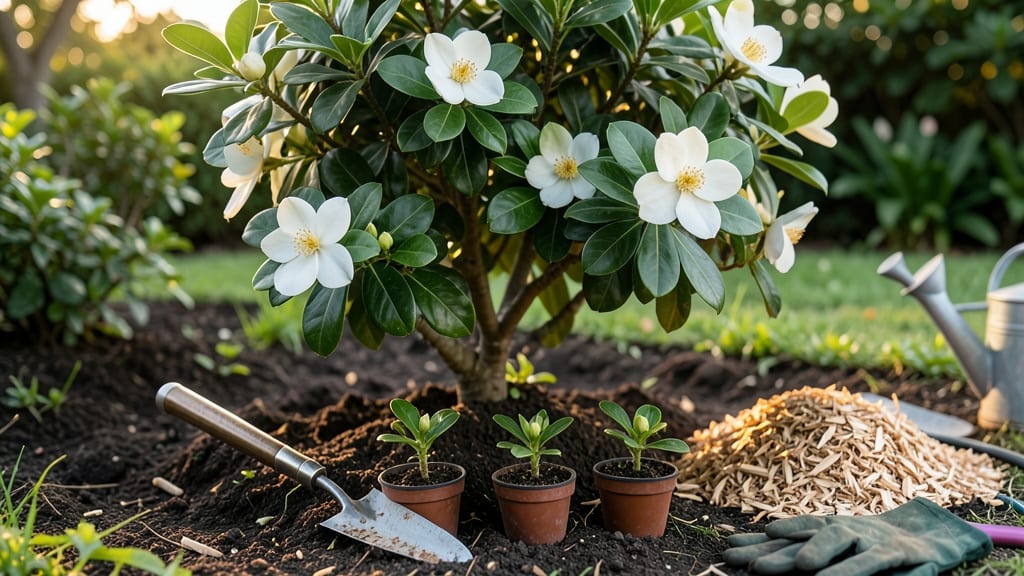
Timing the planting of gardenias in Texas isn’t just about following a calendar—it’s about outsmarting the state’s brutal heat and unpredictable frost. One wrong move, and your fragrant 🌸 shrubs could wilt before they even take root, leaving you with a sad, leafless stump instead of a blooming beauty.
Texas gardeners face a unique challenge: North Texas’s late frosts can still nip young plants in February, while South Texas’s scorching summers demand careful timing to help roots establish before the real heat hits.
The secret? Planting in late winter or early fall—when soil temperatures are just right and the risk of frost has passed (or hasn’t yet arrived).
But here’s the kicker: even the best planting window can backfire if you ignore soil prep or sunlight needs. Gardenias thrive in partial shade and acidic soil, and Texas’s alkaline dirt can throw them for a loop.
I’ll walk you through the exact steps to set yours up for success—from choosing the right zone to avoiding common pitfalls that turn blooms into busts.
Ready to grow gardenias that survive Texas’s extremes and reward you with year-round fragrance? Let’s dive into the science-backed schedule that’ll make your neighbors green with envy.
Texas gardenia planting zones: exact months by region for frost-free success
Texas spans USDA zones 7-11, meaning your gardenia planting window varies dramatically from North Texas to South Texas. In Zone 7a (like Amarillo), frost lingers until mid-March, while Zone 11 (Houston, San Antonio) enjoys frost-free winters.
Planting too early in cold zones risks frost damage, while late planting in hot zones stresses young roots.
For North Texas (Zones 7-8), aim for late March to April after the last frost date.
In Central Texas (Zones 8-9), September and October are ideal—giving roots time to establish before summer’s brutal heat. South Texas (Zones 10-11) gardeners can plant year-round, but fall (September-October) is still best for avoiding summer stress.
Here’s the critical rule: Wait until soil temperatures hit at least 60°F (measured 6 inches deep). Cold soil stunts root growth, leaving gardenias vulnerable to transplant shock or fungal diseases like root rot. Use a soil thermometer—it’s the only way to know for sure.
Microclimates matter too. Urban areas like Dallas or Austin often experience 5-10°F hotter microclimates than rural zones due to heat islands. If your yard feels like a furnace by noon, plant gardenias in morning sun with afternoon shade to prevent leaf scorch.
Pro tip: Acid-loving gardenias thrive in Texas’s native sandy loam, but amend with peat moss or pine bark to mimic their natural acidic forest-floor habitat. A pH of 5.0-6.0 is non-negotiable—test your soil before planting!
🌱
| Texas Region | USDA Zone | Last Frost Date | Best Planting Months | Soil Temp Threshold | Key Risk |
|---|---|---|---|---|---|
| North Texas | 7a-8a | Mid-March | Late March-April | 60°F+ | Late frost |
| Central Texas | 8b-9a | Early March | September-October | 60°F+ | Summer heat stress |
| East Texas | 8a-9a | Late February | March-April or September | 60°F+ | Humidity + heat |
| South Texas | 10a-11 | January 15 | Year-round (best: September-October) | 65°F+ (warmer soil) | None (frost-free) |
| West Texas | 8a-9a | Mid-March | April-May (avoid summer) | 60°F+ | Drought + alkaline soil |
If you’re in Zone 7a or 8a, consider container gardening for extra flexibility—move pots to sheltered spots during cold snaps. For in-ground plantings, choose a south-facing slope to warm up faster in spring, or plant near a brick wall for radiant heat.
One Texas-specific hack: Mulch with pine straw (not cedar chips) to keep roots cool in summer and acidic. Spread a 3-inch layer after planting—it mimics the gardenia’s natural understory habitat and reduces water evaporation by 30%.
For urban gardeners, account for concrete heat absorption. If your yard is paved on three sides, plant gardenias in the coolest, shadiest corner and water twice daily during 100°F+ heat waves. A 5-gallon bucket of water buried near the roots acts as a heat sink.
💧
Gardenias in Texas heat: how to time planting for maximum blooms and survival
Timing your gardenia planting isn’t just about avoiding frost—it’s about surviving Texas summers. Gardenias thrive in 60°F+ soil temperatures, but our state’s brutal heat can shock young roots if planted too early or too late.
The key? Plant when soil warms but before summer’s peak intensity—typically late February to early March in North Texas and January to February in South Texas.
But here’s the catch: urban heat islands (like Austin or Dallas) can be 10-15°F hotter than rural areas, so adjust planting 2-4 weeks later if your yard bakes early. Always check soil temp with a thermometer—gardenias hate cold feet but also wilting from midday sun too soon.
Humidity is another Texas wildcard. Gardenias love 60-80% humidity, but our dry spells (especially in West Texas) can stress them. Fall planting (September-October) is ideal for these areas—roots establish before winter dryness sets in.
🌡️ Critical Texas Planting Factors
- Soil Temp: Wait until 60°F+ (use a thermometer!)
- Humidity: Aim for 60%+ (water deeply if air is dry)
- Heat Shield: Provide afternoon shade for 2-3 weeks post-planting
- Urban Adjustment: Delay planting 1-2 weeks in heat islands
Before planting, amend soil with peat moss or sulfur to lower pH to 5.0-6.5—gardenias are acid-lovers, and Texas clay is naturally alkaline. Mix in compost for drainage, then mulch heavily (3-4 inches) to retain moisture and cool roots.
Avoid planting near sidewalks or driveways, where roots can bake.
Pro tip: Soak roots overnight before transplanting to reduce shock. In South Texas, you can even plant in December if nights stay above 45°F, but cover young plants with frost cloth if temps dip.
The goal? Root establishment before summer’s 100°F+ days—when gardenias need all their energy for blooms, not survival.
Once planted, water deeply 2-3 times weekly for the first month, then taper to bi-weekly as roots spread. Morning watering prevents fungal issues from Texas’s humid afternoons. With the right timing, your gardenias will reward you with fragrant blooms from June to September—beating the heat like a pro.