
Plants
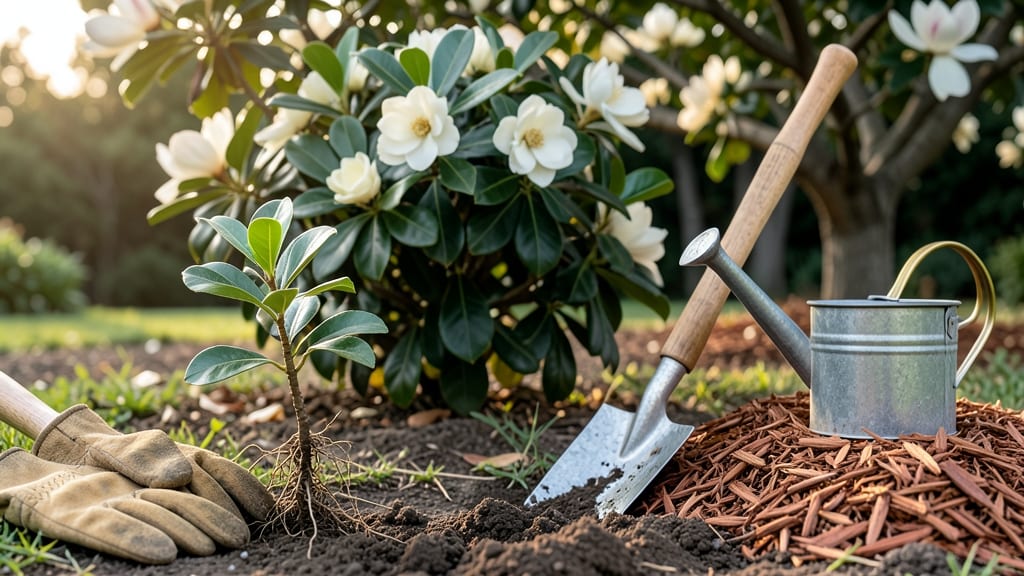
Timing your gardenia planting in North Carolina can make or break whether your 🌸 thrives or struggles—because one wrong move means frost damage or stunted growth. Whether you're in the coastal humidity or Piedmont's drier air, getting the window right (March-April or September-October) ensures strong root establishment before summer heat or winter chill sets in.
Most gardeners in zones 7a-8b wait until after the last frost (typically mid-March), but soil temperature matters just as much as the calendar. Planting too early when soil is still cold (<50°F) can shock roots, while waiting too long risks summer stress.
I’ll break down exactly when to dig in based on your microclimate—because coastal NC’s milder winters aren’t the same as the Piedmont’s sharper frosts.
You’ll also discover how to prep your soil for acidic-loving gardenias, when to mulch for moisture retention, and what post-planting care keeps your shrubs blooming all season. Skip the guesswork and plant with confidence—your gardenia’s future depends on these critical first steps.
Ready to transform your yard into a fragrant oasis? Let’s dive into the science-backed planting schedule that works for NC’s unique climate—no more second-guessing, just beautiful blooms.
North Carolina frost-free dates by Zone for planting gardenias
North Carolina's diverse climate means frost-free dates vary dramatically from the mountains to the coast. Gardenias thrive when planted after the last frost, but timing depends on your USDA zone—whether you're in Zone 7a (western NC) or Zone 8b (coastal areas).
The average last frost date shifts from mid-March in the Piedmont to early April near the coast, creating a 4-week window for planting.
For gardeners in Zone 7a (Asheville, Boone), wait until April 15 to plant gardenias, as late frosts can linger until mid-April. Meanwhile, coastal gardeners in Zone 8b (Wilmington, Morehead City) can start as early as late February, but soil temperatures must reach 50°F for root establishment.
This regional variation is why local frost data is critical—check the NC State Extension for your county's specifics.
Gardenias are tender perennials, meaning they can't survive freezing temperatures below 25°F. Planting too early—before the last frost—risks root damage or death. Conversely, delaying until June reduces the plant's time to establish before winter, weakening its resilience.
The sweet spot is March-April for spring planting, with a secondary window in September-October for fall.
| USDA Zone | Region | Avg. Last Frost | Ideal Planting Window | Risk if Planted Early |
|---|---|---|---|---|
| 7a | Mountains (Asheville, Boone) | April 15 | April 15–May 15 | Frost damage to roots |
| 7b | Piedmont (Raleigh, Greensboro) | March 25 | March 30–April 30 | Late frost risk |
| 8a | Coastal Plains (Wilmington, Fayetteville) | March 10 | March 15–April 15 | Minimal (warmer microclimates) |
| 8b | Outer Banks, Coastal NC | February 25 | February 28–March 31 | None (mild winters) |
The coastal regions of NC enjoy the longest frost-free growing season, often 240+ days, while inland areas like the Piedmont average 210 days. This difference explains why coastal gardeners can plant gardenias as early as late February, while mountain gardeners must wait until mid-April.
Even within zones, microclimates play a role—valleys frost earlier than hilltops, and urban areas can be 5°F warmer than rural zones.
For fall planting, aim for September-October to allow roots to establish before winter. In Zone 7a, plant by October 15 to avoid early frost risks, while Zone 8b gardeners can extend planting to November 1.
Fall-planted gardenias benefit from cooler soil temperatures, which reduce transplant shock and encourage root growth before dormancy.
Pro tip: Use the NC State Climate Office’s frost probability maps to refine your planting date. For example, Raleigh (Zone 7b) has a 10% chance of frost after April 1, making it safe to plant by April 15.
Meanwhile, Charlotte (Zone 8a) sees near-zero frost risk after March 15, allowing earlier planting. Always monitor local forecasts in the weeks leading up to your target date.
If you’re unsure about your last frost date, err on the side of caution. Gardenias planted 2 weeks after the average last frost have
Optimal soil temperature ranges for gardenia planting success
Gardenias are sensitive to cold soil, and planting them when the ground is too chilly can stunt root growth or even kill the plant. The ideal soil temperature range for planting gardenias in North Carolina is between 50°F and 65°F.
This window ensures roots establish quickly without shock, giving your gardenia the best start possible.
In most of North Carolina, soil temperatures reach this range in late March to early April. However, if you're in the cooler mountain regions (Zone 6a), you may need to wait until mid-April to avoid planting in cold soil.
Coastal areas (Zone 8a-8b) can often plant as early as February, but always check soil temps first.
To test soil temperature, use a soil thermometer (available at garden centers for under $10). Insert it 4-6 inches deep—the depth where gardenia roots will establish—and wait 30 seconds for an accurate reading.
If the temperature is below 50°F, wait a few more days or even weeks before planting.