
Plants
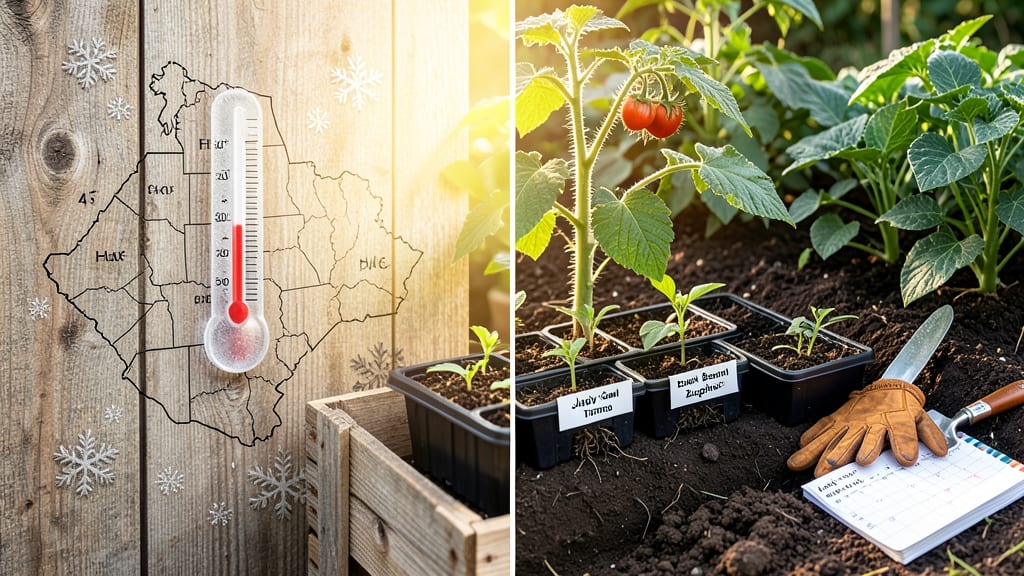
Knowing when is it safe to plant in Michigan can make or break your garden—one wrong move and your seedlings could turn into frost snacks. Michigan’s unpredictable weather keeps even seasoned gardeners guessing, but timing your planting right means healthier plants and a bountiful harvest.
With USDA zones 4–6 across the state, last frost dates vary wildly from mid-May in southern Michigan to early June in the north. That’s why checking soil temperature (aim for 50°F or warmer) and monitoring local forecasts is non-negotiable.
Skip the guesswork—plant too early, and you’ll risk losing your hard work to a surprise freeze.
I’ve spent years tracking Michigan’s planting windows, and the key is balancing patience with opportunity. Whether you’re sowing tomatoes, peppers, or flowers, waiting for the all-clear from Mother Nature pays off big time.
Let’s break down exactly how to nail those perfect planting dates—so you can enjoy a garden that thrives, not survives.
From soil thermometers to frost-free probability maps, I’ll show you the tools and tricks that work. No more second-guessing—just confident planting that sets your garden up for success. Ready to dig in?
Michigan planting zones: last frost dates by region and heat-tolerant planting windows
Michigan’s diverse climate means last frost dates can vary by hundreds of miles. Northern zones like USDA 4a often see frost until mid-June, while southern areas in USDA 6a may be frost-free by late April.
Knowing your zone ensures you plant tomatoes, peppers, and other heat-lovers at the perfect time to avoid frost damage.
For cold-hardy crops like kale or spinach, you can start as early as early April in southern Michigan. But warm-season crops like cucumbers or beans need to wait until after the last average frost date, which is typically mid-May in most regions.
Using a planting calendar tailored to your zone is key.
Here’s a zone-by-zone breakdown of Michigan’s frost-free windows and ideal planting times for popular crops. This table helps you visualize when it’s safe to plant in your area, so you can avoid common mistakes like premature planting that leads to wilted seedlings.
If you’re in USDA Zone 4a, like in Traverse City or Marquette, your last frost date might be as late as June 15. This means tomato plants should wait until after June 1 to avoid frost damage.
In contrast, gardeners in USDA Zone 6a, such as those in Detroit or Ann Arbor, can plant peppers as early as mid-April.
To double-check, use the Michigan State University Extension’s frost date maps or check local weather forecasts for a 5-day outlook. A sudden cold snap can still hit after the average last frost, so always have row covers ready for frost-sensitive seedlings.
For example, eggplants need soil temps above 60°F to thrive, so wait until late May in northern zones.
For perennials like lavender or roses, timing matters too. Plant them in early spring (April) when the ground is workable but before summer heat sets in.
In USDA Zone 5a, this could mean late April, while in Zone 6a, you might start as early as March.
Remember, soil temperature is just as critical as air temperature. Use a soil thermometer to confirm your soil is at least 50°F for most vegetables. Cold soil can stunt root growth, even if the air feels warm. For squash and melons, aim for 60°F+ soil to ensure strong germination.
Another trick is to plant fast-germinating crops like radishes or lettuce 2-3 weeks before your last frost date. These act as early indicators that your soil is ready for heat-loving plants. If your radishes sprout quickly and thrive, it’s a sign the tomatoes can go in soon.
Finally, keep an eye on local microclimates. A south-facing slope warms up faster than a shady valley, so adjust your planting dates accordingly. Urban areas can also be 2-3°F warmer than rural zones, giving you
How to use soil temperature and weather trends to determine safe planting dates
Michigan’s unpredictable spring weather makes soil temperature and weather trends your best friends when deciding when to plant. Unlike air temperature, soil temperature directly impacts seed germination and root development. For most vegetables, aim for 50°F (10°C) or warmer—this ensures roots establish quickly and reduces frost damage risk.
Start by using a soil thermometer to check temperatures at a depth of 2-4 inches. Morning is ideal because soil is cooler and gives you an accurate baseline. If your thermometer reads below 45°F (7°C), delay planting frost-sensitive crops like tomatoes or peppers until conditions improve.
- 40-45°F (4-7°C): Safe for cold-hardy crops like spinach or kale.
- 50°F (10°C): Ideal for lettuce, carrots, and radishes.
- 55°F (13°C): Minimum for beans, squash, and cucumbers.
- 60°F (16°C): Required for tomatoes, peppers, and eggplants.
Don’t rely solely on soil temperature—also monitor 5-day weather forecasts for frost warnings. The National Oceanic and Atmospheric Administration (NOAA) provides historical frost data for Michigan, which can help you predict patterns.
For example, Northern Michigan (USDA Zone 4) typically sees its last frost around May 15, while Southern Michigan (Zone 6) averages mid-April.
For extra protection, use row covers or cold frames to extend your planting window by 2-4 weeks. These tools create a microclimate that traps heat and shields plants from light frosts (28°F/-2°C).
However, avoid using them if nighttime temperatures drop below 25°F (-4°C), as they can trap too much moisture and cause rot.
Another trick is planting warm-season crops like basil or marigolds indoors 4-6 weeks before the last frost date. This gives them a head start and ensures they’re ready to thrive once soil temperatures rise. Keep an eye on moisture levels during this transition—consistent watering prevents transplant shock.
When in doubt, follow the 10-day rule: Wait until you’ve had at least 10 consecutive frost-free days before planting tender annuals. This reduces the risk of unexpected cold snaps wiping out your garden.
For a foolproof approach, combine soil temperature checks with weather trends and use protective tools to give your plants the best possible start.