
Planting
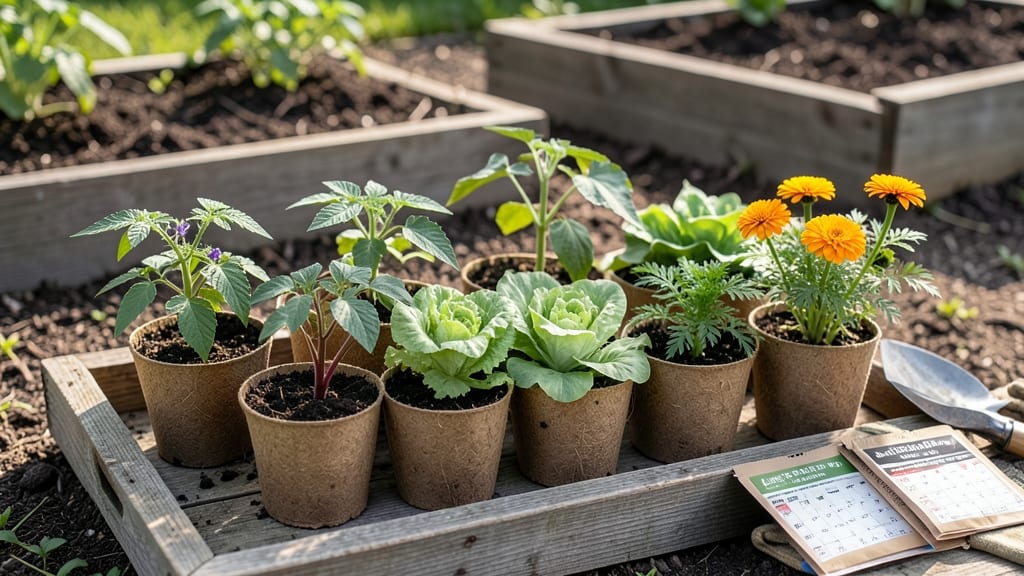
Timing your garden planting in Pennsylvania can make or break your harvest—get it wrong, and frost will turn your tender seedlings into sad, wilted memories. With USDA Zones 6-7 and unpredictable spring weather, knowing the exact windows for planting is the key to success.
Whether you're growing tomatoes, lettuce, or perennials, the difference between a thriving garden and a failed one often comes down to when you put those seeds in the ground.
Most gardeners in Pennsylvania wait for the last frost date, but that’s just the beginning. Cool-season crops like spinach and peas can handle light frosts, while heat-lovers like peppers and cucumbers need to wait until the soil warms up—usually mid-May to early June in most regions.
Missing these deadlines means risking stunted growth or worse, a total loss. I’ll break down the best planting times for your zone, so you can avoid common mistakes and maximize your garden’s potential.
What if you’re unsure about your local frost dates? Don’t worry—I’ll show you how to use tools like the Penn State Extension’s frost calendar to pinpoint the perfect time for your garden.
Plus, I’ll share tips for extending your growing season with row covers and other tricks to keep your plants happy, no matter what Mother Nature throws your way. Let’s get those seeds in the ground at the right time for a bountiful harvest!
From early spring greens to late-summer tomatoes, every crop has its ideal planting window. By the end of this guide, you’ll know exactly when to plant your garden in Pennsylvania—so you can enjoy fresh, homegrown food all season long. Ready to dig in?
Pennsylvania planting deadlines by Zone 6-7: last frost dates & heat-tolerant crops
Pennsylvania’s USDA Zones 6-7 create a unique gardening challenge with last frost dates that vary by 10-14 days across regions. In Philadelphia (Zone 7a), the average last frost typically arrives by April 15, while Pittsburgh (Zone 6b) often waits until May 1.
These differences mean your tomato seedlings might thrive in one part of the state while freezing in another.
Understanding these deadlines helps you align your cool-season crops (like spinach and peas) with early planting windows and warm-season crops (like peppers and basil) with late-May starts. The 10-day rule is your best friend: Wait 10 days after the average last frost before planting heat-sensitive varieties to avoid surprise frosts.
For Zone 6 areas (like State College), plan for a longer frost window—some years, late frosts linger into May 10. Meanwhile, Zone 7 regions (like Allentown) can often start planting by April 20.
Always check the Penn State Extension’s frost calendar for real-time updates, as microclimates (like urban heat islands) can shift deadlines by weeks.
| Region | Zone | Avg. Last Frost | Safe Planting Window | Heat-Tolerant Crops |
|---|---|---|---|---|
| Philadelphia | 7a | April 15 | April 25 - May 10 | Tomatoes, Peppers, Basil |
| Pittsburgh | 6b | May 1 | May 11 - May 25 | Sweet Corn, Cucumbers, Okra |
| State College | 6a | May 10 | May 20 - June 1 | Peppers, Eggplant, Southern Peas |
| Allentown | 7a | April 20 | April 30 - May 15 | Tomatoes, Basil, Zucchini |
If you’re planting cool-season crops like kale or carrots, start them 4-6 weeks before the last frost date. For warm-season crops, wait until the soil reaches 60°F (15°C)—use a soil thermometer to avoid guessing.
In Zone 6, this often means waiting until late May, while Zone 7 gardeners can start earlier.
Don’t overlook fall planting, either. Many cool-hardy crops (like broccoli and spinach) thrive when sown in late July to early August for a fall harvest. The first frost in PA typically arrives between October 15 and November 1, depending on elevation.
Use row covers to extend your growing season by 2-4 weeks in both spring and fall.
Pro tip: Direct-sow cold-hardy crops like peas and lettuce as soon as the soil is workable (usually March-April), even if frost is still possible. These plants germinate quickly and can handle light frosts.
For transplants (like tomato and pepper seedlings), wait until all danger of frost has passed—usually after Memorial Day in most of PA.
For container gardening, you have more flexibility. Pots warm up faster than soil, so you can plant warm-season crops 2-3 weeks earlier than in-ground gardens. Just ensure your containers have drainage holes and use a lightweight potting mix to prevent overheating.
Always keep an emergency frost cloth handy for late-season surprises. Even in Zone 7, a late-May frost can devastate your tomato plants if they’re too young. Start with slow-growing varieties like ‘Stupice’ tomatoes or ‘Black Krim’, which mature faster than standard types.
How to adjust planting times for Pennsylvania’s microclimates & frost risks
Pennsylvania’s USDA Zones 6-7 create a tricky balance—some years, last frost dates arrive by mid-April, while others linger until early June.
To avoid frost damage or stunted growth, I’ve learned to use the 10-day rule: Wait until 10 days after your average last frost before planting warm-season crops like tomatoes or peppers.
But here’s the catch: Your backyard’s microclimate matters. A south-facing slope warms faster than a low-lying area prone to cold air pooling. I always check my local frost date maps from Penn State Extension and adjust planting by 1-2 weeks if my yard fits a cooler microclimate.
For cool-season crops like spinach or peas, I plant as soon as the soil is workable (around early March in most of PA). These tough guys handle light frosts, but I still cover them with row covers if a late freeze is forecasted.
⚠️ Common Mistake: Planting Tomatoes Too Early
I’ve seen gardeners rush to plant tomato seedlings in late April only to watch them wilt from cold soil. The rule of thumb? Soil should be 60°F+ at least 6 inches deep. Use a soil thermometer—it’s a game-changer for avoiding root rot.
To extend your growing season, I swear by cold frames and hoop houses. These let me plant broccoli in early April and kale in late August, adding 3-4 extra weeks to both ends of the season.
Even a simple black plastic mulch can warm soil by 5-10°F, helping cucumbers and beans thrive earlier.
For heat-sensitive crops like lettuce, I always plant a second round in late July for a fall harvest. The key is succession planting: Start with radishes (ready in 30 days) followed by carrots (60 days), then spinach (45 days). This keeps my garden productive from spring to frost.
Pro tip: Bookmark the Old Farmer’s Almanac frost predictions and cross-reference with your local Cooperative Extension Service. Their data accounts for PA’s variable weather patterns better than generic online tools. With these adjustments, I’ve never lost a season to frost—or heat—again!