
Planting
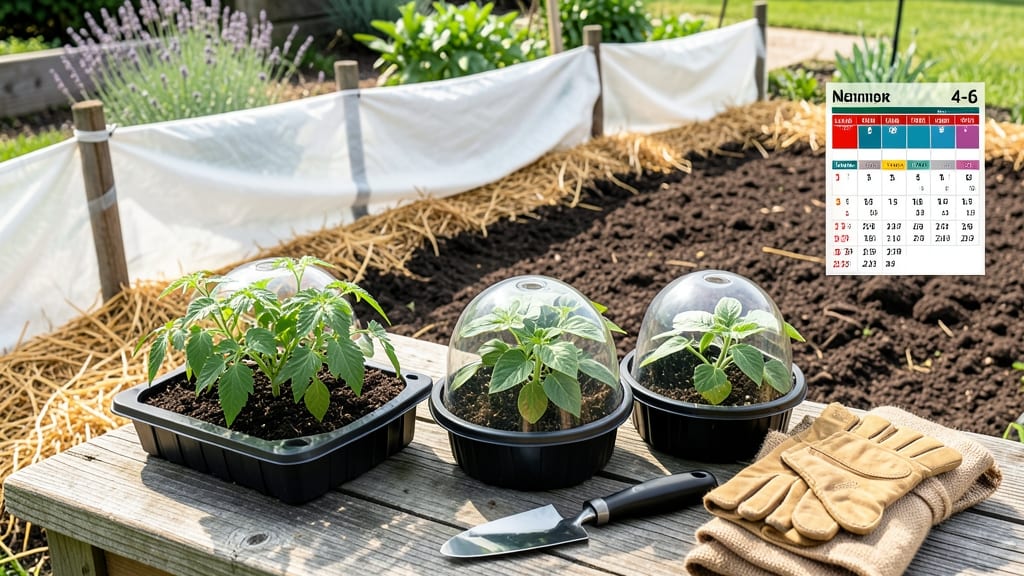
Timing your garden in Nebraska wrong can mean the difference between a bountiful harvest and a sad pile of frost-bitten plants.
With last frost dates shifting yearly and microclimates creating wildly different conditions from Omaha to the Sandhills, knowing exactly when to plant your 🌱 General Garden Vegetables & Herbs is the key to success.
Most gardeners in USDA zones 5a-6b wait until after April 15 to plant spring crops, but that’s just the starting point. Soil temperature—not just air temperature—determines whether your seeds will sprout or rot.
I’ll show you how to read Nebraska’s climate cues so you can plant with confidence, whether you’re growing heat-loving tomatoes or cool-season spinach.
What if I told you that Omaha’s urban heat island effect can delay frost by 10 days compared to rural areas? Or that a simple row cover can extend your growing season by 3 weeks?
These aren’t just guesses—they’re proven strategies that turn Nebraska’s unpredictable weather into an advantage for gardeners like you.
Ready to stop guessing and start growing? Let’s break down the exact planting windows, soil temperature triggers, and microclimate hacks that will help your garden thrive—no matter where in Nebraska you’re planting.
Nebraska planting zones & soil temperature triggers by crop type
Nebraska’s USDA zones 4a-6b create a tricky balance—early springs in the Platte Valley can thaw by March, while the Sandhills might still be frozen in May. The key? Soil temperature, not air temperature, dictates when to plant.
Most cool-season crops like peas and spinach thrive at 50°F-60°F, while warm-season tomatoes and peppers need 60°F-85°F to germinate.
Use a soil thermometer ($10 at garden centers) to check depths of 2-4 inches—this is where roots first seek warmth. In Omaha (Zone 5b), average last frost dates hover around April 15, but western Nebraska’s Scottsbluff (Zone 6a) can see frost as late as May 1.
Plan accordingly, or risk blackened seedlings overnight.
Here’s the golden rule: Wait until 3-4 weeks after your area’s last frost date for warm-season plants. This buffer accounts for late frosts, which Nebraska’s unpredictable weather patterns are infamous for.
For example, cucumbers planted too early in Lincoln (Zone 5a) might bolt in May’s 50°F nights—a common mistake even veteran gardeners make.
🌱Pro Tip: Nebraska Extension’s Frost Free Date Calculator (available online) lets you input your ZIP code for hyper-localized predictions. Bookmark it—it’s your best friend for avoiding frost damage.
| Crop Type | Ideal Soil Temp (°F) | Planting Window | Nebraska Example Regions |
|---|---|---|---|
| Cool-Season (Peas, Spinach, Lettuce) | 50°F–60°F | March 15–April 30 | Omaha, Lincoln, Kearney |
| Warm-Season (Tomatoes, Peppers, Cucumbers) | 60°F–85°F | May 15–June 15 | Scottsbluff, North Platte, Alliance |
| Root Crops (Carrots, Potatoes, Onions) | 45°F–65°F | April 1–May 10 | All regions (early planting) |
| Fall Plantings (Kale, Radishes, Beets) | 40°F–55°F | July 15–August 15 | Eastern NE (later frost) |
🌡️ Soil Temp Check: Use a soil thermometer at 2" depth before planting warm-season crops.
For perennials like asparagus or rhubarb, Nebraska’s short growing season means planting in early spring (March-April) when soil is workable. These crops need 2-3 years to establish, so don’t rush—patience pays off with harvests lasting decades.
One common mistake I see? Planting potatoes too early in Zone 4a (western NE). They’ll rot if soil temps stay below 45°F for weeks. Instead, wait until late April and use black plastic mulch to warm the soil faster.
This hack adds 5-7°F to soil temperature, giving you a 2-week head start.
💡 Nebraska-Specific Hack: In high-altitude areas (e.g., Chimney Rock), plant heat-loving crops like okra or sweet potatoes in raised beds. The beds warm up 3-5 days faster than in-ground soil, extending your growing season by 10-14 days.
Finally, don’t overlook fall planting. Nebraska’s first frost typically arrives October 15, but cool-season crops like spinach and radishes can still thrive if sown by August 1. These late plantings give you a second harvest before winter sets in.
✂️ Action Step: Mark your calendar for May 1—this is Nebraska’s last safe date to transplant tomato seedlings in most regions. After that, you’re playing Russian roulette with late frosts.
Microclimate hacks: how Nebraska’s urban vs. rural frost patterns change planting times
Nebraska’s frost dates aren’t just about the calendar—they’re shaped by dramatic microclimates that can shift planting windows by weeks. Omaha’s urban heat island effect delays frost by 7-10 days compared to rural areas, while the Sandhills region often sees early freezes that catch gardeners off guard.
Understanding these patterns lets you adjust planting times without losing your entire crop.
For example, western Nebraska’s Platte Valley typically experiences its last frost April 1-15, while Omaha’s urban core may stay frost-free until April 22. This discrepancy means cool-season crops like spinach or peas can be planted 2 weeks later in the city without risk.
Meanwhile, western gardeners should have warm-season plants like tomatoes ready to transplant by May 1—or risk a late frost wiping out seedlings.
Here’s how to leverage these patterns for your garden’s success:
| Region | Last Frost Date | First Frost Date | Planting Adjustment | Key Hack |
|---|---|---|---|---|
| Omaha (Urban) | April 22 | October 22 | Delay cool crops by 2 weeks | Use lightweight row covers for early starts |
| Sandhills | April 1 | October 5 | Plant warm crops by May 1 | Install windbreaks to protect seedlings |
| Lincoln | April 10 | October 15 | Standard timing works | Monitor soil temps daily |
| Western Plains | April 5 | September 25 | Use black plastic mulch for warmth | Plant early-maturing varieties |
One of my favorite microclimate hacks for Nebraska gardens? Raised beds warm up 2-3°F faster than in-ground soil, giving you an extra 5-7 days to plant warm-season crops. Fill them with compost-rich soil and cover with clear plastic tunnels for an even earlier start.
In high-risk areas like the Panhandle, I’ve seen gardeners extend their season by 3 weeks using this combo.
Don’t overlook the power of mulching, either. A thick layer of straw or wood chips insulates soil, keeping roots 5-10°F warmer during cool nights. This is especially critical for tomatoes and peppers, which need soil temps above 60°F to thrive.
In my Lincoln garden, mulched beds let me plant tomato seedlings 10 days earlier than unmulched areas—without any frost damage.
For urban gardeners, take advantage of south-facing walls or rooftop gardens, which can add 10-15°F of warmth compared to open ground. Even a simple black-painted container absorbs heat faster than standard terracotta.
If you’re in Omaha’s downtown, these microclimates might let you grow citrus trees or tender herbs that would otherwise fail in rural areas.
Pro tip: Check local weather stations (like those at UNL’s West Central Research Station) for real-time data, not just USDA zone averages. A single 5°F temperature swing can mean the difference between a thriving garden and a frost-killed disaster.
When in doubt, plant succession crops every 2 weeks to hedge your bets—it’s the safest strategy for Nebraska’s unpredictable climate. 🌱