
Trees
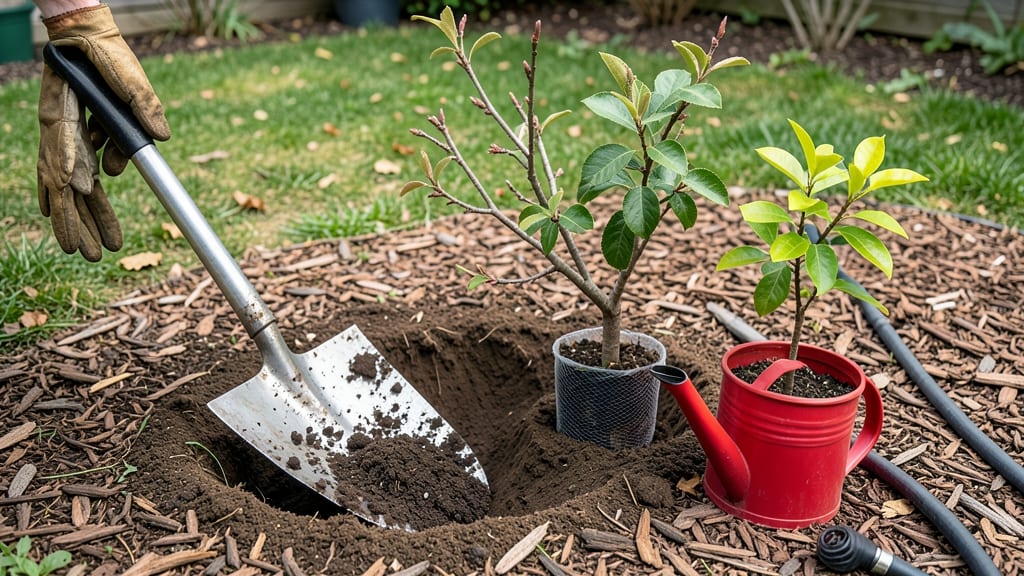
Planting a 🍎 fruit tree in South Africa at the wrong time could leave your sapling struggling against frost or scorching heat—so timing is everything.
With the country’s diverse climate zones, from frost-prone inland areas to coastal regions with near-year-round warmth, knowing the best window for your specific location makes all the difference.
Most gardeners in zones 9b-11 (like Cape Town, Durban, or Limpopo) should aim for winter to early spring planting—between May and September—when cooler temperatures reduce transplant shock.
But here’s the catch: citrus trees in frost-free zones can go in almost any month, while stone fruits like peaches need that precise late-winter timing to avoid early frosts.
I’ll break down the exact months for your region, plus pro tips to give your 🍎 fruit tree the strongest start. Whether you’re growing avocados, mangoes, or apples, this guide ensures your tree thrives from day one—no guesswork, just results.
Ready to dig in? Let’s match your planting schedule to your climate for a harvest you’ll be proud of.
Optimal planting months for fruit trees by south african climate zones
South Africa’s diverse climate zones—from frost-prone Highveld to subtropical coastal regions—mean planting times vary dramatically. Understanding your USDA zone (9b-11) and frost dates is critical. For example, Cape Town (Zone 9b) has milder winters, while Pretoria (Zone 7a) faces harsh frosts.
Planting at the wrong time can stunt growth or kill young trees entirely.
In frost-free zones like Durban and Port Elizabeth (Zone 10a-11), you can plant citrus and mangoes year-round. However, in winter-rainfall areas (Western Cape), timing aligns with spring rains (August-October) to avoid drought stress.
Stone fruits like peaches and plums need chill hours—plant them in late winter (August-September) before bud break.
Here’s how to align planting with your region’s frost-free window and rainfall patterns:
| Climate Zone | Frost Risk | Best Planting Window | Key Fruit Trees | Rainfall Alignment |
|---|---|---|---|---|
| Zone 9b-10a (Cape Town, Durban) | Low (May-July) | Year-round (best: March-May) | Citrus, Mango, Avocado, Guava | Summer (Dec-Feb) |
| Zone 7a-8a (Pretoria, Johannesburg) | High (June-August) | Late winter (Aug-Sept) | Peach, Plum, Apple, Pear | Spring (Sept-Nov) |
| Zone 10b-11 (Limpopo, Mpumalanga) | None | Year-round (best: Feb-Apr) | Lemon, Lime, Macadamia, Subtropical | Summer (Nov-Mar) |
| Western Cape (Winter Rainfall) | Moderate (June-July) | Spring (Aug-Oct) | Table Grape, Olive, Fig | Winter (May-Aug) |
Notice how stone fruits (like peaches) thrive in Zone 7a-8a when planted in late winter, while citrus trees can go in anytime in Zone 10b-11.
The key is matching your tree’s dormancy needs with your local frost window. For example, avocado trees hate frost—they’re best planted in spring (Sept-Oct) in cooler regions.
If you’re in a transition zone (like Durban’s coastal belt), opt for frost-resistant varieties like Satsuma mandarins or loquat trees. These handle light frosts (-2°C) better than standard citrus. Always check your local agro-climatic data—tools like the SA Weather Service provide frost alerts that save saplings.
For container-grown trees, timing is less critical—you can plant anytime in frost-free zones. However, bare-root trees must go in during dormancy (winter) to minimize transplant shock. This is why nurseries ship bare-root trees in June-July for Highveld gardeners.
Pro tip: Soil temperature matters just as much as air temperature. Use a soil thermometer—ideal planting soil temps are 15-20°C. In cooler regions, wait until soil warms in late September before planting tropical fruit trees like mangoes.
Finally, align planting with rainfall patterns. In summer-rainfall areas (e.g., KwaZulu-Natal), plant in spring (Sept-Oct) to coincide with first rains. In winter-rainfall zones (e.g., Western Cape), plant in late winter (Aug-Sept) so roots establish before dry summers.
🌱
How to adjust planting timing for fruit tree varieties (citrus vs. stone fruits vs. deciduous)
South Africa’s diverse climate zones mean your fruit tree planting timing should match the tree type and local frost risks. Citrus trees, like oranges and lemons, thrive in frost-free areas and can be planted almost year-round, while stone fruits (peaches, plums) need cool dormancy periods before spring blooms.
Deciduous trees, such as apples and pears, require autumn planting to establish roots before winter dormancy. Understanding these differences ensures your trees grow strong and produce fruit efficiently.
Citrus trees (e.g., lemon, lime, grapefruit) love warmth and humidity. In frost-free zones like Durban or Knysna, plant them year-round, but spring (September–November) is ideal for root establishment before summer heat. Avoid planting in winter months (June–August) if frost is possible.
Stone fruits (e.g., peaches, plums, nectarines) need chilling hours during winter to break dormancy. Plant them late winter (August–September) in cooler regions (e.g., Cape Town, Stellenbosch) or early spring (October–November) in warmer inland areas like Pretoria or Johannesburg.
For deciduous trees like apples, pears, and quinces, autumn (March–May) is the best time to plant. This gives roots time to settle before winter dormancy and ensures vigorous spring growth. Avoid planting in summer (December–February) when soil is dry and heat stress is high.
| Fruit Type | Best Planting Months | Key Considerations |
|---|---|---|
| Citrus (oranges, lemons) | Year-round (frost-free zones), spring (Sept–Nov) | Avoid frost; well-draining soil critical |
| Stone Fruits (peaches, plums) | Late winter (Aug–Sept) or early spring (Oct–Nov) | Needs chilling hours; plant before blooms |
| Deciduous (apples, pears) | Autumn (March–May) | Root growth before winter dormancy |
If you’re in a transitional zone (e.g., Worcester or Paarl), opt for early spring planting (September) for stone fruits to avoid late frosts. For citrus in frost-prone areas, container planting lets you move trees indoors during winter. Always check local frost dates before planting!
Pro tip: Bare-root trees should be planted in winter (June–August) when they’re dormant, while container-grown trees can go in year-round in mild climates. Adjust your schedule based on tree type and local weather patterns for the best results. 🌱