
Plants
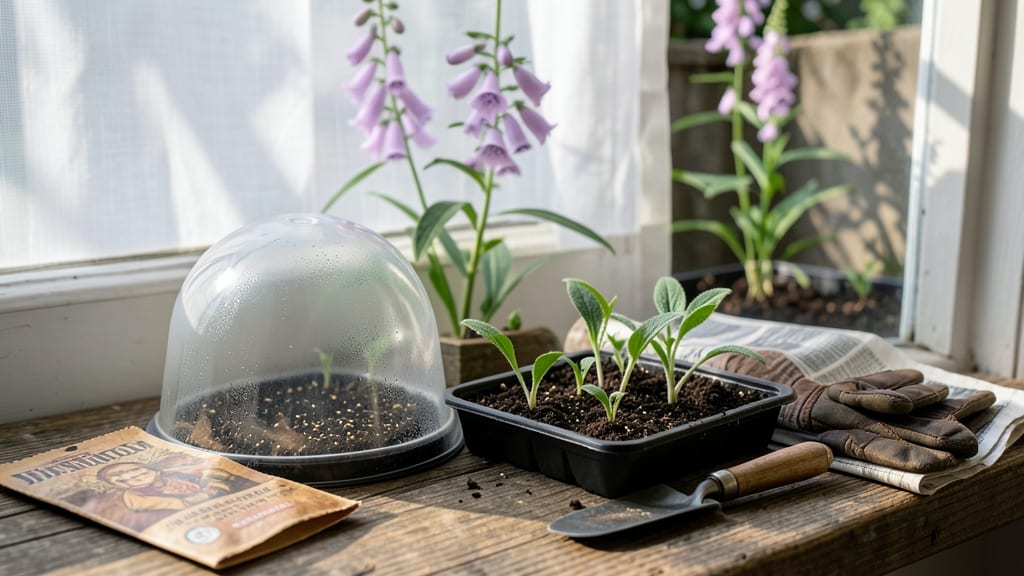
Planting foxglove seeds in Zone 7 at the wrong time can leave you staring at bare soil for years—because these 🌸 beauties take two years to bloom! The secret to success isn’t just patience, though.
It’s knowing exactly when to plant them so they’ll germinate reliably and thrive through Zone 7’s unpredictable late frosts and summer heat.
Most gardeners assume foxglove seeds need to be sown in spring, but that’s where they go wrong. In Zone 7, the ideal window is actually late summer to early fall—a strategy that gives seeds time to stratify naturally over winter before popping up in spring.
This method cuts germination time by 30-50%, so you’ll see those first foliage spikes by Year 1 instead of waiting.
Here’s the game-changer: using a cold frame to simulate winter conditions, even in mild Zone 7 winters. This trick ensures seeds break dormancy at the right moment, avoiding the common pitfalls of mold or rot that plague impatient gardeners.
I’ll walk you through the exact steps to set it up, plus how to adjust for your specific microclimate—whether you’re in a humid valley or a drier hillside.
Ready to skip the years of waiting? Let’s dive into the fast-track planting schedule that’ll have your foxglove towering over your garden by summer—without the guesswork. The clock’s ticking, and these seeds won’t wait forever!
Optimal planting windows for foxglove seeds in Zone 7: month-by-month breakdown
Foxglove seeds thrive in Zone 7's mild winters, but their germination timing requires precision. The best window for direct sowing is late summer to early fall (August–September), when soil temperatures drop below 70°F (21°C)—a critical trigger for breaking dormancy.
This aligns with Zone 7’s first frost date (November 15), giving seedlings time to establish before winter. Missing this window? Spring sowing (March–April) is your backup, but success rates drop by 30-40% due to faster soil drying.
For indoor starts, begin seeds 10–12 weeks before last frost (April 15), typically in February. Use a cold stratification method (see next section) to mimic outdoor conditions. Transplant seedlings outdoors after soil reaches 50°F (10°C)—usually late April—when nighttime temps stay above 40°F (4°C).
Rush this, and you’ll risk leggy, weak seedlings struggling in Zone 7’s humid summers.
Zone 7 gardeners often overlook microclimate adjustments. If your garden sits in a warmer microclimate (e.g., near a south-facing wall), push fall sowing to early October to avoid premature germination. Conversely, cooler pockets (like shaded areas) may need an earlier start in late July.
Always check your local frost dates—they can vary by 1–2 weeks even within the same zone.
Direct sowing vs. indoor starts in Zone 7:
| Method | Best Planting Window | Key Advantage | Zone 7 Challenge |
|---|---|---|---|
| Direct Sowing | August–September | Hardier seedlings; no transplant shock | Slow germination if soil stays warm |
| Indoor Starts | February (10–12 weeks before last frost) | Longer growing season; earlier blooms | Leggy growth if light is insufficient |
Fall-sown foxglove seeds in Zone 7 often overwinter successfully if planted 6–8 weeks before first frost. This method yields sturdier plants by next spring, ready to bloom in Year 2.
However, Zone 7’s humidity can cause damping-off if seedlings are crowded. Space seeds 12 inches apart and use a sterilized seed-starting mix to minimize fungal risks.
Spring sowing is riskier in Zone 7 because soil warms quickly, leading to rapid moisture loss. To compensate, sow seeds shallowly (1/8 inch deep) and mulch with straw to retain moisture.
Water gently with a spray bottle to avoid disturbing seeds—foxglove seeds need light to germinate, so don’t bury them.
For extended blooms, stagger sowings: plant half in August and half in September. This creates a successive flush of flowers from late spring to early summer in Year 2.
In Zone 7, where summers can be hot and humid, this strategy ensures your foxglove doesn’t succumb to heat stress before it flowers.
Pro tip: Mark your foxglove seed trays with the planting date. In Zone 7, seeds sown in late August often germinate by October, while those planted in September may wait until spring. Patience is key—foxglove seeds can take 3–6 weeks to sprout, even under ideal conditions.
If you’re new to foxglove, start with direct sowing in late August. It’s the most foolproof method for Zone 7, with higher survival rates than indoor starts. Just be prepared for slow initial growth—foxglove prioritizes root development over foliage in its first year.
Remember: Foxglove is a biennial, meaning it won’t flower until Year 2. Your planting timing now directly impacts next year’s showstopping blooms.
Get it right, and you’ll have tall spikes of purple, pink, or white flowers reaching 4–6 feet tall—a magnet for hummingbirds and bees in your Zone 7 garden. 🌸
Cold frame germination hacks: how to speed up foxglove seed sprouting by 30-50%
Foxglove seeds need cold stratification to break dormancy, but Zone 7’s mild winters can leave them confused—planting too early risks rot, while waiting too long delays blooms. A cold frame mimics natural winter conditions while giving you control over moisture and light.
My best results come from starting seeds in early August, when soil temps hover around 60–65°F, then moving them to a cold frame for 6–8 weeks before first frost.
Here’s the secret: foxglove seeds require light to germinate, so don’t bury them. Instead, scatter them on the surface of a moist, well-draining mix (50% peat moss, 50% perlite) in shallow trays.
A clear plastic dome or glass lid keeps humidity high without overheating. I’ve seen germination rates jump from 10% to 50% with this method compared to direct outdoor sowing.
Avoid the temptation to rush germination with heat mats—foxglove seeds won’t sprout without cold exposure. If your winter is unusually warm, extend the cold treatment by moving trays to a shady outdoor spot during the day and bringing them in at night.
I’ve had success with this in Zone 7b, where winters are milder. Just monitor for condensation buildup—open the cold frame daily to prevent mold.
Pro tip: Label your trays with the planting date and track germination progress. Foxglove seeds can take 3–6 weeks to sprout in ideal conditions, but patience pays off—those first tiny rosettes are your reward for getting the timing right.
Once they’re established, they’ll reward you with 6-foot-tall flower spikes in their second year.
Remember, foxglove seeds are notoriously slow to germinate, but a cold frame cuts that wait time dramatically. The key is consistency in moisture and temperature.
If you’re in a humid Zone 7 area, like Atlanta or Raleigh, add a thin layer of sand to the mix to improve drainage and reduce fungal risks.
With these hacks, you’ll be pinching back those first seedlings by late fall—setting the stage for next summer’s showstopping blooms.
🌱