
Plants
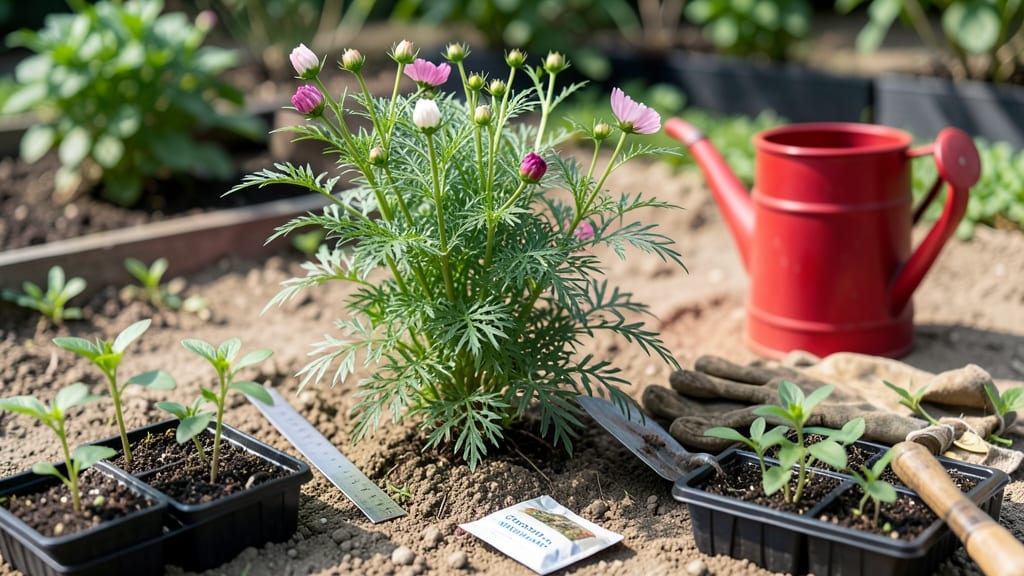
Knowing when to plant cosmos seeds in Zone 7 can mean the difference between a garden bursting with 🌸 cosmos blooms all summer and a season of disappointment.
This hardy annual thrives when planted at just the right time, but timing it wrong can lead to bolting—those unsightly flower spikes that shoot up before your cosmos even get a chance to show off their vibrant petals.
For Zone 7 gardeners, the key is understanding the delicate balance between soil temperatures and frost dates. Plant too early, and the seeds may rot in cold soil; too late, and you risk missing the window for those iconic summer blooms.
The good news? Cosmos are forgiving, and with the right strategy—whether you're sowing in spring or fall—you can enjoy their cheerful faces from early summer right up until frost.
In this guide, I’ll break down the best planting windows for both spring and fall, including soil temperature tips and regional nuances for Zone 7.
You’ll also learn whether direct sowing or starting indoors works better for your climate, plus how to avoid the dreaded bolt curse once and for all.
Ready to transform your garden into a cosmos paradise? Let’s dive into the timing secrets that will have your cosmos thriving from seed to bloom.
Optimal spring planting timeline for cosmos in Zone 7
Spring is the classic time to plant cosmos seeds in Zone 7, but timing is critical to avoid premature bolting. The key is planting when soil temperatures reach at least 60°F (15°C)—this triggers consistent germination without stressing seedlings.
In Zone 7, this typically lands between mid-April and early May, depending on your microclimate.
For coastal areas, where springs are milder, you might start as early as late March.
Inland regions with later frost dates should wait until after April 15 to ensure seedlings aren’t nipped by unexpected cold snaps. Direct sowing is the best method for cosmos—these seeds hate transplanting and bolt easily when disturbed.
🌱 Spring Planting Summary for Cosmos in Zone 7
| Stage | Action | Soil Temp | Notes |
|---|---|---|---|
| Pre-Frost | Start seeds indoors (optional) | 55-60°F | Use if frost risk persists |
| Post-Frost (Zone 7) | Direct sow seeds | 60°F+ | Best for strong roots |
| Late April-May | Sow successionally | 65-75°F | Extend bloom time |
| After June 1 | Avoid planting | N/A | Risk of bolting increases |
When planting, scatter cosmos seeds lightly on the soil surface—they need light to germinate. Press them in just enough to cover with 1/8 inch of soil or a light mulch.
Space seeds 12-18 inches apart for dwarf varieties and up to 3 feet apart for taller cosmos like 'Bright Lights' or 'Sensation Mix'.
After sowing, keep the soil consistently moist but not soggy. Cosmos seeds typically germinate in 7-14 days when conditions are ideal. Thin seedlings to your desired spacing once they reach 2-3 inches tall, using sharp scissors to avoid disturbing roots.
This step prevents overcrowding, which can stress plants and trigger bolting.
One of the biggest mistakes Zone 7 gardeners make is planting cosmos too early. If you sow seeds in February or early March, the seedlings may become etiolated (leggy and weak) from low light, then bolt when temperatures rise.
Instead, wait until after your last frost date—around March 15 for most of Zone 7—and you’ll see stronger, healthier plants.
For extended blooms, consider making successional plantings every 2-3 weeks from April through early May. This staggered approach ensures a continuous display of pink, white, and magenta cosmos flowers from summer to frost.
Just be sure to stop planting by June 1, as later sowings often bolt before flowering.
Another pro tip: Mulch around seedlings with straw or shredded leaves to retain moisture and regulate soil temperature. Cosmos are drought-tolerant once established, but young plants benefit from consistent watering, especially during Zone 7’s hot summers.
Aim for 1 inch of water per week, either from rainfall or irrigation.
Finally, remember that cosmos are self-cleaning—they rarely need deadheading unless you’re harvesting flowers for arrangements. This makes them a low-maintenance choice for busy gardeners. With the right spring timing, you’ll enjoy bold, cheerful blooms that attract pollinators and add height to your garden beds.
🌻
Optimal spring planting timeline for cosmos in Zone 7
Timing your cosmos seeds correctly in Zone 7 means the difference between lush summer blooms and disappointing bolting. The key is planting after your last frost date (around March 15) but before soil temperatures hit 75°F+.
This window—typically late March to early May—gives seedlings time to establish roots before summer heat arrives.
Cosmos seeds germinate fastest in 60–75°F soil, so wait until your area’s average nighttime temperatures stay above 50°F. In inland Zone 7 (like Dallas or Atlanta), this usually aligns with mid-April, while coastal areas (e.g., Charleston) may be ready 2–3 weeks earlier due to milder microclimates.
| Stage | Action | Notes |
|---|---|---|
| Soil Prep | Loosen soil to 6" depth; mix in compost | Improves drainage and warmth retention |
| Seed Depth | ¼" deep, 1" apart | Light coverage prevents overcrowding |
| Germination | 5–14 days at 60–75°F | Keep soil moist but not soggy |
| Thinning | 2–3" apart when 2" tall | Prevents competition for sunlight |
| Bloom Time | 60–90 days after sowing | Full sun accelerates flowering |
For direct sowing, scatter seeds in well-drained beds after frost risk passes. If starting indoors (4–6 weeks before last frost), use biodegradable pots to avoid root disturbance. Harden off seedlings for 7–10 days by gradually exposing them to outdoor conditions to prevent shock.
Watch for heat stress after June 1—cosmos bolt when soil temps exceed 80°F for prolonged periods. To delay bolting, provide afternoon shade with frost cloth or plant near taller crops like sunflowers for natural shade.
Deadhead spent blooms every 2 weeks to encourage continuous flowering until frost. Cosmos are self-seeding, so save seeds from your best plants for next year’s fall sowing—a trick to extend your bloom season even further.