
Flowers
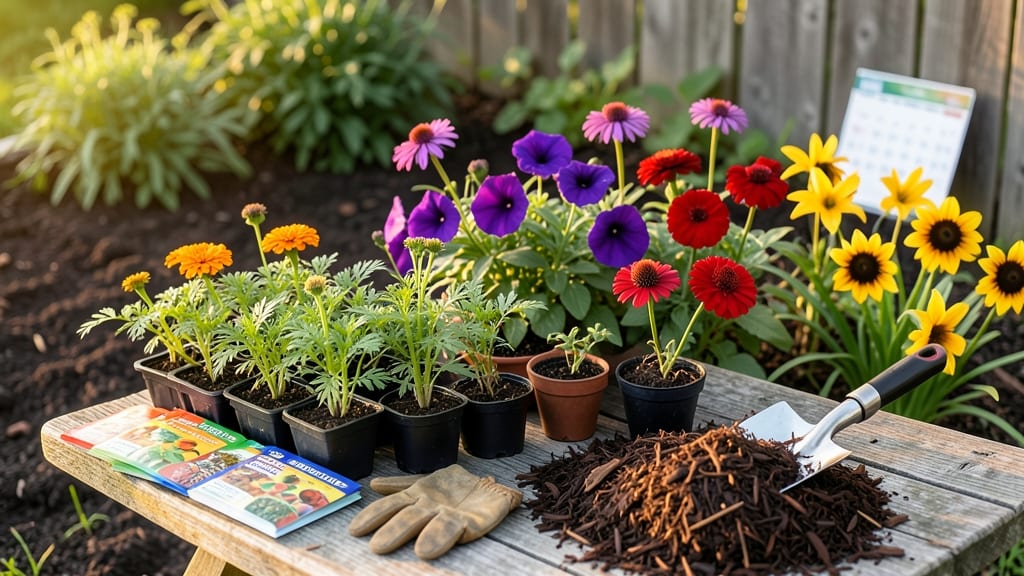
Knowing when to plant flowers in Zone 6b isn’t just about avoiding frost—it’s about unlocking the full potential of your garden. With the right timing, you can transform your yard into a vibrant canvas of color, but get it wrong, and you’ll risk weak growth or missed blooms entirely.
Zone 6b’s 165 frost-free days give you two prime windows: spring (after last frost in mid-April) and fall (6-8 weeks before first frost in mid-October). Whether you’re planting cold-hardy annuals or perennials that thrive with chill hours, precision matters.
Let’s break down the science-backed schedule to ensure your flowers bloom at their best.
From chill-hour matching to soil temperature tricks, this guide covers everything you need to know. You’ll learn which flowers to plant in spring versus fall, how to prep your soil for early starts, and even how mulching can extend your growing season. No more guesswork—just peak blooms and thriving plants.
Ready to turn your garden into a showstopper? Let’s dive into the exact timing, region-specific tips, and pro strategies that will have your flowers looking their best from spring through summer. Your vibrant garden starts with the right planting schedule—and we’ve got you covered.
Zone 6B flower planting calendar by chill-hour requirements
Understanding Zone 6B chill-hour requirements is the secret to timing your flower planting for peak blooms and strong roots. This zone averages 1,500–2,000 chill hours (below 45°F) annually, meaning some flowers need cold exposure to thrive while others bolt in heat.
I’ll break down the month-by-month schedule so you can align your planting with your region’s last frost dates—typically mid-April for spring and mid-October for fall.
For cool-season annuals like pansies or snapdragons, plant 4–6 weeks before the last frost (early March) to capitalize on their love of cool soil.
Meanwhile, perennials like coneflowers can handle spring planting as soon as soil is workable (around 45°F), while tender varieties like marigolds wait until after the last frost (mid-April) to avoid frost damage. Let’s dive into the specifics.
🌱 Key Tip: Use a soil thermometer to confirm ground temps—60°F+ is ideal for most annuals, while perennials tolerate cooler soil.
Zone 6B Flower Planting Timeline
| Month | Planting Window | Best Flowers | Soil Temp | Notes |
|---|---|---|---|---|
| March | 4–6 weeks before last frost | Pansies, Snapdragons, Sweet Alyssum | 40–50°F | Cool-season bloomers; mulch to protect from late frosts. |
| April | After last frost (mid-April) | Marigolds, Petunias, Zinnias, Coleus | 60°F+ | Warm-season annuals; harden off seedlings first. |
| May | Early May (perennials) or late May (tender perennials) | Coneflowers, Black-Eyed Susans, Lavender | 50–60°F | Perennials establish roots; avoid overwatering. |
| September | 6–8 weeks before first frost | Asters, Chrysanthemums, Calendula | 55–65°F | Fall-blooming perennials; fertilize lightly. |
| October | Before hard frost (early Oct) | Spring-Blooming Bulbs (Tulips, Daffodils) | 50°F+ | Plant bulbs in well-drained soil for spring blooms. |
Spring planting in Zone 6B hinges on two critical factors: soil temperature and chill-hour accumulation. For example, cool-loving annuals like lettuce flowers (e.g., celosia) can handle planting in early April, but heat-lovers like sunflowers need to wait until soil warms to 65°F+ (usually late April).
I recommend using a seed-starting heat mat if you’re eager to jumpstart tender varieties indoors in February.
Fall planting offers a second chance for biennials and hardy perennials. Aim to plant 6–8 weeks before the first frost (early September) to give roots time to establish before winter. Astors and chrysanthemums thrive in this window, providing late-season color.
Just remember: mulch heavily (3–4 inches) to insulate roots from freezing temperatures.
Pro tip: Zone 6B gardeners in the Midwest (e.g., Chicago) can push spring planting slightly earlier than those in the Mid-Atlantic (e.g., Baltimore), thanks to cooler nights. Always check your local frost
Best flowers to plant in Zone 6B by season: a strategic guide
Zone 6B gardeners know that timing is everything—especially when selecting flowers that thrive in your 10-20°F winters and 80-90°F summers. The key is choosing varieties that align with your planting windows: spring (after last frost) and fall (6-8 weeks before first frost).
Here’s my curated list of top performers for each season, tailored to your climate’s unique challenges.
For spring planting, prioritize cold-hardy annuals like pansies and snapdragons, which tolerate light frosts and bloom early. Perennials like coneflowers and black-eyed Susans can also go in the ground as early as late March, once soil warms to 50°F.
These tough beauties establish roots quickly, giving them a head start for summer color.
🌸
- 🌼 Cool-Season Annuals: Pansies, Sweet Alyssum, Violas (plant 4-6 weeks before last frost)
- 🌻 Perennials: Coneflowers, Daylilies, Catmint (plant after soil thaws, around mid-April)
- 🌿 Early Bloomers: Bleeding Heart, Lungwort (ideal for partial shade spots)
- 🌱 Soil Prep: Amend with compost; avoid working wet soil in early spring
- 💧 Watering Tip: Keep soil consistently moist but not soggy until roots establish
Summer in Zone 6B can be brutal, so opt for heat-tolerant annuals like zinnias and marigolds, which thrive in full sun and dry spells. For perennials, lavender and Russian sage handle the heat with ease.
If you’re direct-sowing, wait until mid-May to avoid transplant shock from sudden heat spikes. Mulch heavily to retain moisture and cool roots.
Fall planting is where Zone 6B gardeners shine—many flowers actually prefer cooler temps for root growth. Asters, chrysanthemums, and goldenrod planted in September will reward you with late-season color.
For tender annuals like cosmos, sow seeds directly in late August to enjoy blooms before frost. Don’t forget bulbs like tulips and daffodils—plant them in October for spring surprises.
Pro tip: Use season extenders like row covers or cold frames to push your planting windows. For example, you can start calendulas indoors in February and transplant them outdoors in March, giving you early blooms. Just
🌿