
Flowers
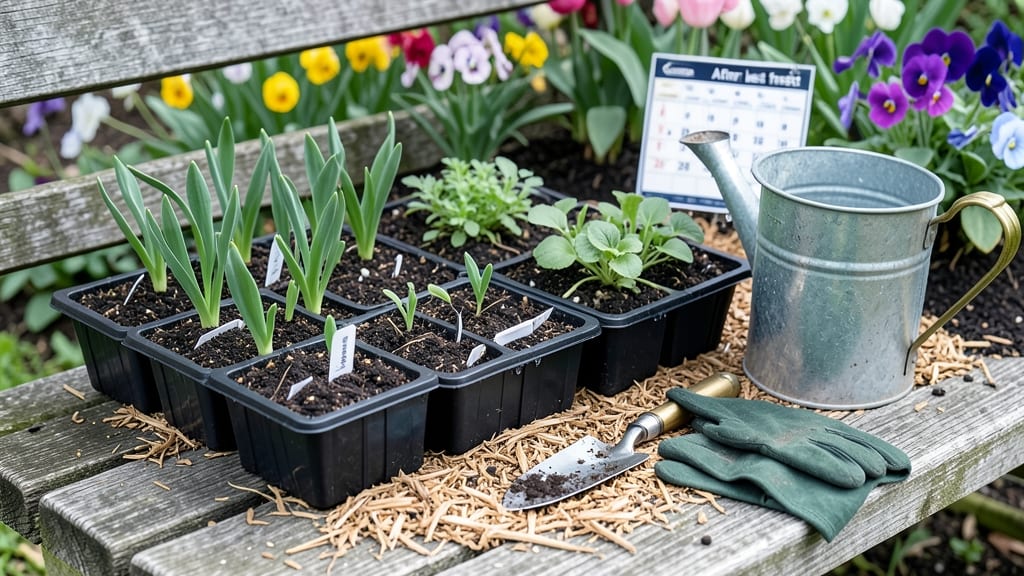
Timing your spring flower planting just right can transform your garden from a patchy mess to a vibrant explosion of color—and the moon’s phases hold the secret to faster blooms.
Most gardeners wait until after the last frost, but did you know planting during the right lunar cycle can boost root growth and cut down on transplant shock?
In Zone 6a, where many of us garden, the ideal window typically opens in April or May—but that’s just the start.
Whether you’re tucking in delicate 🌸 pansies or hardy sunflowers, aligning your schedule with the waxing moon (for above-ground growth) or waning moon (for roots) makes all the difference. I’ll show you exactly how to use this ancient trick for faster, healthier blooms—no guesswork required.
Skipping the prep work or planting too early can leave your flowers struggling, but I’ve got you covered with step-by-step timing tailored to your region. From soil prep to spacing, we’ll dive into what’s working for gardeners who’ve cracked the code on extending their bloom season—even in cooler climates.
Let’s get those seeds in the ground the right way.
Ready to skip the trial-and-error? You’ll leave here knowing not just when to plant, but how to set your flowers up for success—so you can spend more time admiring your garden and less time troubleshooting. Let’s make this your best spring yet.
Best spring planting dates by flower type (moon phases included)
Spring is the perfect time to transform your garden into a vibrant canvas, but timing is everything. Planting flowers too early risks frost damage, while waiting too long can shorten your bloom season. The key?
Align your planting with local frost dates and lunar cycles for stronger roots and faster growth. Let’s break down the best times to plant popular spring flowers, including how moon phases can give your garden an edge.
Most gardeners focus on last frost dates, but moon phases add another layer of precision. For example, planting during a waxing moon (when the moon is growing brighter) boosts root development, while a waning moon (when it’s shrinking) is ideal for leafy growth.
This ancient wisdom isn’t just folklore—it’s rooted in gravity’s effect on plant sap flow. Let’s explore the best planting windows for your favorite flowers, complete with lunar tips.
🌱 Pro Tip: Always check your USDA Hardiness Zone (e.g., Zone 6a in the example above) and adjust dates by 2-4 weeks if you’re in a colder or warmer region. For instance, Zone 5 may need to wait until mid-May, while Zone 8 can start as early as February.
| Flower Type | Best Planting Window | Moon Phase | Notes |
|---|---|---|---|
| Annuals (e.g., Marigolds, Petunias, Zinnias) | After last frost (April–May in Zone 6) | Waxing moon (root growth) | Direct sow or transplant seedlings. |
| Perennials (e.g., Lavender, Coneflowers, Black-Eyed Susans) | Early spring (March–April) or fall | Waning moon (leaf growth) | Divide clumps in spring or fall. |
| Bulbs (e.g., Tulips, Daffodils, Hyacinths) | Fall (6–8 weeks before frost) or early spring | Waxing gibbous (root establishment) | Plant bulbs 6–8 inches deep. |
| Tender Perennials (e.g., Geraniums, Salvias) | After last frost (May in Zone 6) | Full moon (peak energy) | Wait until soil is warm (60°F+). |
| Vegetative Propagation (e.g., Cutting Roses, Coleus) | Late spring (May–June) | Waning crescent (gentle growth) | Use rooting hormone for success. |
For annuals like marigolds and zinnias, the race is on to beat the heat. Plant these 2–4 weeks after your last frost date to ensure they bloom before summer’s intensity.
I’ve found that starting seeds indoors 6–8 weeks before the last frost gives them a head start, especially in cooler climates like Zone 4 or 5.
If you’re planting perennials like lavender or coneflowers, early spring is ideal because it gives roots time to establish before summer’s heat. These hardy plants thrive when transplanted in March or April, but avoid planting if frost is still a risk.
For bulbs like tulips, most gardeners focus on fall planting, but early spring is a great backup if you missed the window.
🌿 Regional Adjustments: In the South (Zones 7–10), you can plant cool-season flowers like pansies as early as February. In the North (Zones 3–5), wait until mid-May to avoid frost. Always check your local Cooperative Extension Service for precise frost dates.
One of my favorite lunar hacks is planting fast-growing annuals like sunflowers during a waxing gibbous moon (3–7 days after the new moon). This phase boosts root development, so your sunflowers establish quicker and reach for the sky faster.
For leafy greens or herbs, a waning moon encourages lush foliage without overemphasizing roots.
Don’t forget to harden off seedlings before transplanting. Gradually expose them to outdoor conditions over 7–10 days to prevent shock. I like to start this process 1–2 weeks before planting, moving seedlings from shade to sun in increments.
This simple step can mean the difference between thriving plants and wilting disappointments.
Finally, mulch after planting to retain moisture and regulate soil temperature. A 2–3 inch layer of organic mulch (like straw or shredded leaves) keeps roots cool in summer and insulated in winter. This is especially critical for tender perennials that struggle with temperature swings.
How moon phases affect flower growth (and when to plant by phase)
Planting flowers by the moon’s phases isn’t just folklore—it’s a science-backed strategy to boost growth and blooms. The moon’s gravitational pull influences water absorption and root development, making timing critical for your spring garden.
For example, planting during the waxing moon (when the moon grows brighter) encourages leafy growth, while the waning moon (when it shrinks) supports root systems and flowering.
Most flowers thrive when planted during the waning gibbous or waning crescent phases, which align with root-focused energy. Annuals like marigolds and zinnias benefit from this timing, while perennials like lavender and coneflowers grow stronger roots when planted under a waning moon.
Even bulbs, like tulips and daffodils, respond better to moon-aligned planting for deeper root establishment.
Here’s how to use lunar cycles for your spring flowers: Start by checking a lunar planting calendar (many are free online) to find the next waning moon phase. For above-ground growth (like foliage-heavy flowers), plant during the waxing moon.
But for root crops or flowering plants, stick to the waning phase. Pro tip: Avoid planting during a new moon or full moon, as these phases can stress young seedlings.
🌙 Planting by Moon Phase: Pros & Cons
- ✅ Best for leafy flowers (e.g., coleus, hostas)
- ✅ Encourages rapid stem and leaf development
- ❌ Avoid for root crops or flowering plants
- ✅ Ideal for annuals and perennials (e.g., roses, peonies)
- ✅ Strengthens root systems and blooms
- ❌ Poor timing for foliage-heavy plants
- ❌ High sap flow can stress seedlings
- ❌ Increased pest activity during full moon
- ✅ Best for harvesting, not planting
Let’s break down the best phases for your favorite spring flowers. For annuals like petunias or geraniums, aim for the waning gibbous phase (3 days after full moon) to kickstart root growth.
Perennials, such as black-eyed Susans, do well during the waning crescent (last quarter), as this phase promotes long-term establishment. Even bulbs like hyacinths benefit from planting under a waning moon for deeper bulb formation.
Don’t overcomplicate it—start with the waning moon for most flowers, especially if you’re planting seeds or young seedlings. If you’re dividing perennials or transplanting established plants, the waning crescent is your best bet.
For container gardening, lunar timing still applies, but monitor soil moisture more closely since pots dry out faster. Pair your planting with morning watering to reduce stress during these critical phases.
Ready to put this into action? Grab a lunar calendar (or use a free app) and mark your next waning moon phase. Plant your spring flowers 2–3 days before the moon reaches its waning crescent for the best results.
With this moon-powered approach, you’ll see healthier roots, stronger stems, and longer-lasting blooms—all while working with nature’s natural rhythms.