
Flowers
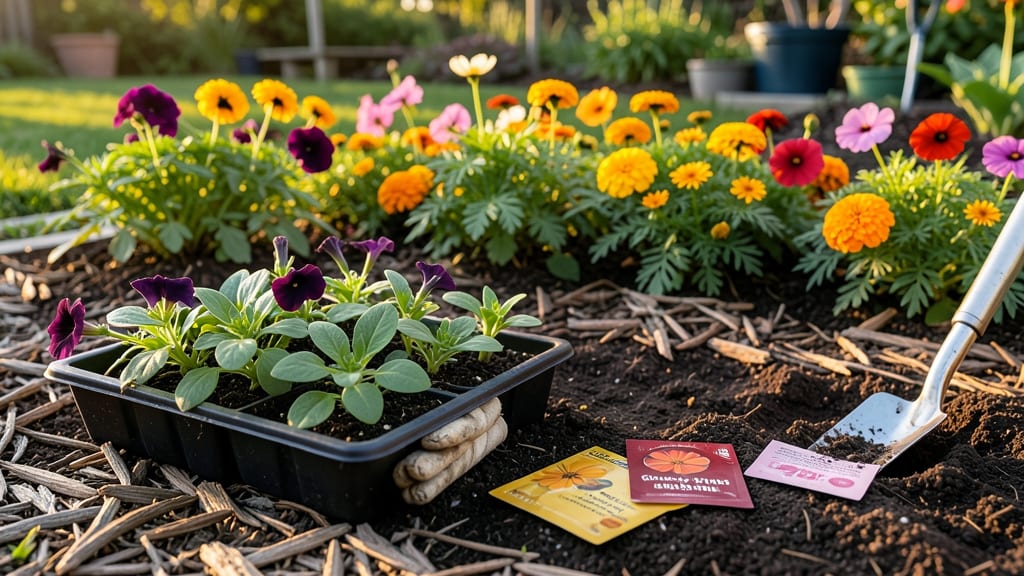
When to plant flowers in St. Louis is the key to unlocking a garden that bursts with color year-round—without falling victim to the city’s unpredictable late frosts or brutal summer heat. The mix of urban heat islands and river valleys creates microclimates where planting windows shift dramatically, even just blocks apart.
Most gardeners know spring is the prime time, but did you realize fall planting can give you a head start on next year’s blooms? With USDA Zone 6a’s last frost typically around April 15, you’ve got a narrow window to get annuals in the ground before summer’s intensity hits.
Perennials and bulbs, though? They play by their own rules entirely.
This guide breaks down exactly when to plant each type—whether you’re battling city pavement heat or cooler valley breezes—and how to adjust for St. Louis’ quirky weather patterns.
We’ll cover soil prep, frost protection, and even which flowers thrive in your microclimate, so you can skip the guesswork and start gardening with confidence.
Ready to transform your yard into a year-round floral show? Let’s dive into the precise planting deadlines that’ll have your garden blooming like never before—no more missed opportunities or wasted seeds.
St. louis flower planting deadlines by hardiness Zone and microclimate
St. Louis sits in USDA Zone 6a/6b, where the average last frost date falls around April 15 and the first frost typically arrives by October 15.
However, these dates can shift by 2-3 weeks depending on whether you're in an urban heat island, a river valley, or a suburban backyard.
For example, downtown areas often experience earlier last frosts due to concrete heat retention, while rural areas near the Missouri River may see later frosts from cooler air settling in valleys.
To maximize bloom potential, I recommend dividing flowers into three categories: cool-season bloomers (like pansies and snapdragons), warm-season powerhouses (such as zinnias and marigolds), and perennials with staggered reblooming (like coneflowers and black-eyed Susans).
Each group has its own ideal planting window to avoid frost damage or bolting from heat stress.
For annual flowers, the sweet spot is late April to early May after the last frost, but hardy annuals like calendulas or stock can handle light frosts and may be planted as early as March 15 in protected microclimates.
Meanwhile, tender annuals like petunias or geraniums should wait until May 1 to avoid chilling injury.
Perennials are more forgiving but still benefit from strategic timing. Most spring-blooming perennials (e.g., bearded iris, peony) should be planted in early fall (September) or early spring (March) to establish roots before summer heat. Summer-blooming perennials like daylilies or shasta daisies can go in as late as May 15, but earlier planting ensures larger blooms the first year.
Bulbs deserve special attention. Spring-blooming bulbs (tulips, daffodils) should be planted in October to root before winter, while summer-blooming bulbs (like dahlia tubers) wait until April 30 after frost risk passes.
In St. Louis, late-summer bulbs such as crocus or allium planted in September will naturalize beautifully and return year after year.
Here’s how to adjust for your specific microclimate:
| Flower Type | Ideal Planting Window | Microclimate Adjustments | Key Notes |
|---|---|---|---|
| Cool-Season Annuals | March 15–April 15 | Urban: Wait 1 week; Valley: Plant 1 week earlier | Use frost cloth for late frosts |
| Warm-Season Annuals | May 1–May 15 | Urban: Plant by May 1; Valley: Wait until May 20 | Mulch to retain moisture |
| Spring-Blooming Perennials | March 1–April 15 or September 1–15 | Fall planting preferred in valleys | Water deeply after planting |
| Summer-Blooming Perennials | April 15–May 15 | Urban areas: Start earlier | Fertilize lightly in spring |
| Spring-Blooming Bulbs | October 1–15 | Plant before ground freezes | Add bone meal for root boost |
| Summer-Blooming Bulbs | April 30–May 15 | Wait until soil warms to 60°F | Stake tall varieties early |
Pro tip: Use the National Weather Service’s frost prediction tool
How to adjust planting times for St. louis’ unique microclimates
St. Louis’ microclimates can shift planting windows by 2-4 weeks—urban areas heat up faster, while river valleys stay cooler longer. If you’re in a heat island (like downtown), start warm-season flowers 2 weeks earlier than suburban areas.
For cooler spots near the Mississippi River, delay planting until 2 weeks after the official last frost date.
Use the National Weather Service’s frost-free date calculator (or local Missouri Botanical Garden data) to pinpoint your exact zone. My urban garden in Midtown hits 60°F soil temps by mid-April, while my friend’s rural plot near Wentzville waits until early May.
Adjust for heat waves too—late May can still bring 80°F+ days, stressing tender seedlings.
Protect early plants with row covers or cloche tunnels if frost threatens. I’ve saved pansies and calendulas planted in late March by covering them during 30°F nights.
For late-season blooms, extend the season with shade cloth (30% block) to reduce heat stress on geraniums or zinnias in July-August.
- 🏙️ Urban areas: Plant 2 weeks early (soil warms faster).
- 🌊 River valleys: Delay by 2 weeks (cooler, slower warming).
- 🌡️ Heat islands: Monitor soil temp—aim for 60°F+.
- ❄️ Late frosts: Use row covers until May 15.
- ☀️ Summer heat: Add shade cloth for July-August plants.
Prepare your soil 4-6 weeks before planting. In Zone 6a, I test soil pH in February and amend with compost to improve drainage—critical for St. Louis’ clay-heavy soil. For container gardens, use well-draining mixes and plant 1-2 weeks earlier than ground beds, as they warm faster.
Track your local heatwave patterns—St. Louis averages 3-5 days of 90°F+ in July. If planting heat-sensitive flowers like impatiens, start them in partial shade or use mulch to retain moisture. My late-June cosmos thrived with 2 inches of straw mulch, reducing watering by 30%.
Finally, note that fall planting (late August-September) works best for cool-season flowers like pansies or snapdragons. These need 6-8 weeks to establish roots before first frost (mid-October). I’ve had success with calendulas sown in early September—they bloom until November in sheltered spots.
Experiment with succession planting to stretch your season. Try short-season annuals like bachelor’s buttons (30-40 days to bloom) in early April, then replace them with zinnias (60-70 days) in late May. This keeps your garden colorful year-round despite St. Louis’ short growing window.