
Flowers
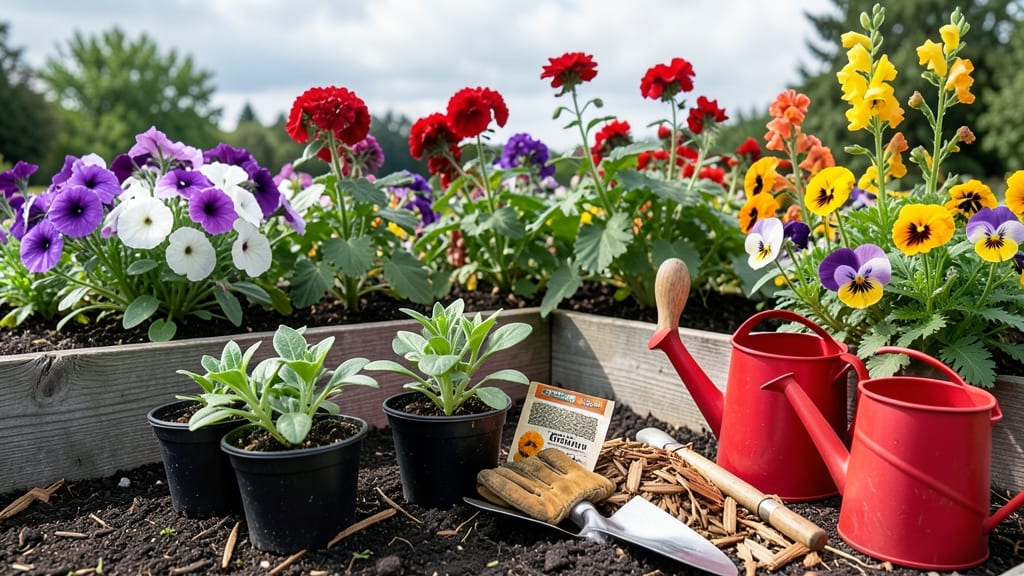
Timing your flowers planting in Portland, Oregon, isn’t just about following a calendar—it’s about beating the unpredictable spring frosts that can turn your garden dreams into a sad, icy memory.
With USDA Zone 8a’s last frost date hovering around April 15, waiting too long means risking stunted growth, while planting too early could leave tender blooms 🌸 gasping for air.
But here’s the good news: Portland’s microclimates—from the rain-soaked West Hills to the drier East Side—mean you’ve got flexibility.
Whether you’re dreaming of vibrant annuals or hardy perennials, knowing the right window (spring or fall) and soil temps (like that magical 60°F threshold) is the key to a garden that bursts with color instead of wilting before it starts.
I’ve tested what works in Portland’s wet, cool seasons, and I’m about to share the exact months, flower types, and pro tips to give your garden the edge. No more guessing—just zero-frost success and blooms that last from spring to fall.
Let’s dive into the planting schedule that’ll have your neighbors asking, “How’d you get those flowers to thrive so early?”—and how you can do the same.
Portland’s frost-free planting zones: when to plant annuals vs perennials
Portland’s USDA Zone 8b/9a climate creates unique challenges for gardeners—cool, wet springs and unpredictable frosts can derail even the best-laid planting plans.
Unlike warmer regions, Portland’s last frost date typically falls between April 15 and May 15, but urban heat islands and elevation shifts can push this window earlier in city centers or later in the hills.
For annual flowers, timing is critical. Most heat-loving varieties like marigolds or petunias won’t survive until the soil warms to 60°F (15°C), usually around May 10 in Portland.
Meanwhile, perennials and cool-season bloomers like tulips or dahlias thrive when planted in early spring (March) or fall (September-October) to establish roots before dormancy.
Here’s how Portland’s microclimates affect your planting schedule:
| Zone Factor | Urban Portland (City Center) | Suburbs (e.g., Beaverton, Hillsboro) | Rural/High Elevation (e.g., Mount Hood Foothills) |
|---|---|---|---|
| Last Frost Date | April 20–May 5 (heat island effect) | April 15–April 30 (standard) | May 1–May 15 (later frosts likely) |
| Safe Planting Window for Annuals | May 10–June 1 (soil warms faster) | May 1–May 15 (wait for 60°F soil) | June 1–June 15 (delay until risk passes) |
| Best Month for Perennials | March 15–April 15 (earlier in city) | March 1–April 1 (standard) | April 15–May 1 (later start) |
| Fall Planting Window | September 1–October 15 (longer growing season) | September 15–October 1 (standard) | August 15–September 30 (earlier to avoid frosts) |
| Key Risk | Heat stress in June–July | Late frosts in April–May | Early frosts in September–October |
Pro Tip: Use frost cloth to extend your spring planting by 2–3 weeks if late frosts threaten.
Portland’s urban heat islands can create a 10–14 day advantage for city gardeners compared to rural areas. For example, snapdragons or cosmos might bloom 2 weeks earlier in a downtown garden than in the Columbia River Gorge.
To hedge your bets, I recommend testing soil temperature with a thermometer—aim for 60°F (15°C) at least 6 inches deep before planting heat-loving annuals.
For perennials, early spring planting (March) gives roots time to establish before summer heat, while fall planting (September–October) capitalizes on cooler temps and consistent rainfall. Bulbs like tulips should go in the ground 6–8 weeks before the first frost, typically by September 1 in Portland.
If you’re unsure, err on the side of earlier planting—Portland’s damp springs are far less risky than dry summer heat.
One of my biggest mistakes? Planting geraniums too early in March without frost protection. They thrived in my south-facing window garden but suffered in a late April freeze.
Now, I wait until after May 10 for tender annuals and use row covers for a buffer. Layering mulch (3–4 inches) also helps insulate roots during temperature swings.
Portland’s Pacific Northwest rainfall (about 40 inches annually) means we don’t need to fuss over irrigation like desert gardeners, but well-draining soil is non-negotiable. Amend heavy clay with compost or sand to prevent root rot, especially for water-sensitive perennials like peonies or daylilies.
A simple soil test ($20 at local nurseries) can reveal if your garden needs amendments before planting.
If you’re growing tropical annuals like begonias or impatiens, consider starting them indoors in March and transplanting after May 15. These plants won’t tolerate frosts and thrive in Portland’s partial shade once established.
For native wildflowers (e.g., yarrow or lupine), timing is flexible—plant in early spring or fall and let them naturalize over time.
Remember: Portland’s first frost typically arrives around October 15, but high-elevation areas can see frost as early as September 20. Use this timeline to plan your fall planting and protect tender perennials with mulch or frost cloth if needed.
With these microclimate adjustments, you’ll avoid the heartbreak of frost-nipped blooms and enjoy a longer flowering season.
Best flowers for Portland’s cool, wet seasons: timing by bloom cycle
Portland’s cool, wet springs and mild summers create unique timing challenges for flower gardeners. The key is matching each bloom type to its ideal planting window—whether that’s early spring for perennials or late May for heat-loving annuals.
Below, I’ve organized Portland’s top flowers by their natural bloom cycles and the best months to plant them for maximum impact.
For early bloomers like tulips and daffodils, fall is your best bet—plant them 6-8 weeks before frost (late September to early October). These bulb plants need cold stratification to flower the following spring, making Portland’s USDA Zone 8b perfect for their dormancy needs.
Skip spring planting for bulbs unless you’re using pre-chilled varieties.
🌸 Portland Flower Planting Calendar
| Flower Type | Planting Window | Bloom Time | Portland Tip |
|---|---|---|---|
| Bulbs (Tulips, Daffodils) | Late Sept–Early Oct | April–May | Plant deep (6" below soil) for winter hardiness. |
| Perennials (Peonies, Lavender) | March–April | May–July | Wait until soil reaches 50°F to avoid rot. |
| Annuals (Impatiens, Petunias) | After May 10 (soil 60°F+) | June–Frost | Use row covers for late frosts (May 15 risk). |
| Dahlias, Cannas | June (after last frost) | July–October | Stake tall varieties; mulch to retain heat. |
If you’re dreaming of summer-long color, focus on heat-tolerant annuals like zinnias and marigolds—plant them after Memorial Day (May 25) when nighttime temps stay above 50°F.
For shade-loving flowers (e.g., impatiens, fuchsias), late May is ideal too, but choose varieties labeled "cool-season tolerant" to handle Portland’s June drizzle.
Don’t overlook fall planting for late-season bloomers! Asters, chrysanthemums, and snapdragons thrive when planted in early September. These flowers take advantage of Portland’s mild autumns (avg. 55°F) to bloom well into October, extending your garden’s life by 4-6 weeks.
Just avoid planting after September 15—new roots won’t establish before winter rains arrive.
Pro tip: Use Portland’s rainfall to your advantage! The city averages 43 inches annually, so drought-tolerant flowers like lupines, penstemons, and yarrow need minimal extra water once established. For thirstier varieties (e.g., petunias, geraniums), install a drip irrigation system to prevent fungal diseases from overwatering.
Remember, microclimates matter in Portland. Urban areas near the Willamette River stay cooler longer, while southeast Portland (e.g., Sellwood) warms up 2-3 weeks earlier than the West Hills. Adjust your planting timeline 1-2 weeks earlier in warm microclimates to maximize bloom time.