
Flowers
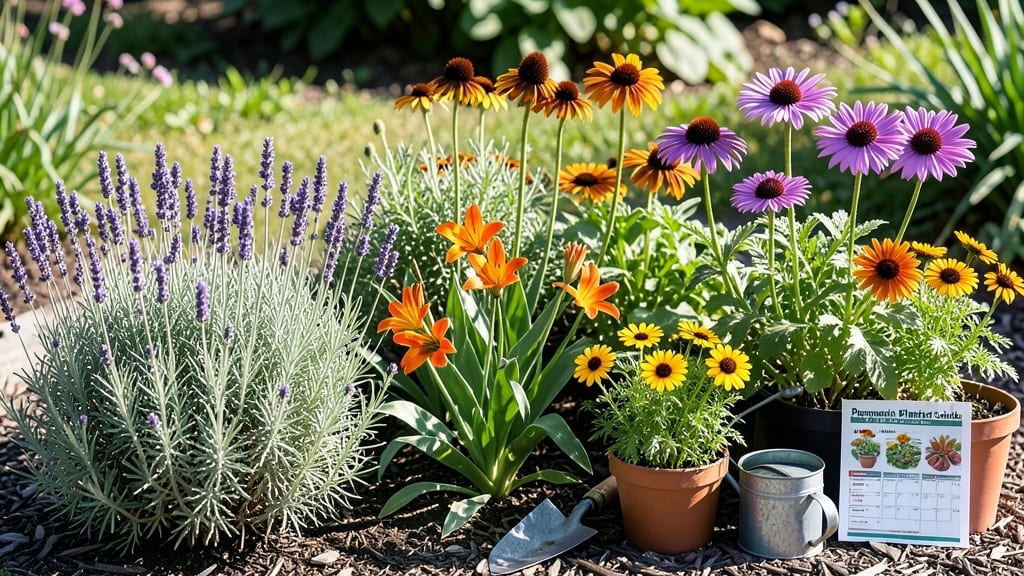
Timing your flowers planting in Pennsylvania could mean the difference between a vibrant garden and a sad, frost-killed disappointment. With USDA zones ranging from 5b to 7a, knowing when to plant 🌸 isn’t just about the calendar—it’s about understanding your local microclimate.
Whether you’re in the cooler Appalachian foothills or the warmer Piedmont region, getting the timing right ensures your blooms thrive. Plant too early, and a late frost will wipe them out; too late, and they won’t establish before winter.
The key? Late April to mid-May for spring plantings, or late August to early September for fall—just before the first frost sneaks in.
But here’s the thing: not all flowers are created equal. Annuals like pansies and snapdragons need that post-frost window, while hardy perennials like daylilies can handle a little chill.
I’ll break down the best planting times for your favorite blooms, so you can enjoy a garden that bursts with color all season long.
Ready to turn your green thumb into a zero-frost-risk success story? Let’s dive into the exact months and tips that’ll make your Pennsylvania garden the envy of the neighborhood.
Pennsylvania planting zones: when to plant flowers by last frost dates
Pennsylvania spans USDA Hardiness Zones 5b through 7a, meaning frost dates vary dramatically from the Poconos Mountains (Zone 5b) to the Delaware Valley (Zone 7a). These differences determine your ideal planting windows—typically late April to mid-May for spring and late August to early September for fall.
Missing these windows can leave your flowers vulnerable to frost damage or poor establishment.
In Zone 5b (northwest PA), the average last frost date is April 20, while Zone 7a (southeast PA) sees its last frost around April 10.
This 10-day difference matters when choosing cold-sensitive annuals like marigolds or petunias. For perennials, fall planting should wrap up by mid-October to avoid winter dieback.
Microclimates add another layer of complexity. Urban heat islands in Philadelphia can delay frost by 1-2 weeks, while valleys like the Lehigh Valley may experience earlier frosts. Always check your local Almanac frost dates—or use a planting calendar tailored to your ZIP code for precision.
🌱
| Zone | Last Frost | First Frost | Spring Planting Window | Fall Planting Window |
|---|---|---|---|---|
| 5b (Poconos, Erie) | April 20 | October 20 | May 1–15 | August 20–September 10 |
| 6a (State College, Harrisburg) | April 15 | October 15 | April 25–May 10 | August 15–September 1 |
| 7a (Philadelphia, Pittsburgh suburbs) | April 10 | October 10 | April 20–May 5 | August 10–August 25 |
For annual flowers, aim to plant 2–4 weeks after your last frost date. This gives seedlings time to harden off and develop roots before summer heat arrives. Cold-hardy annuals like pansies or snapdragons can handle light frosts and may even thrive if planted in early spring (March–April).
Perennials like daylilies or black-eyed Susans should be planted in spring (after frost) or early fall (September). Fall planting gives roots time to establish before winter, but avoid planting too late—soil temperatures below 50°F (10°C) slow root growth.
Use row covers or cold frames to extend your spring planting window by 2–3 weeks in cooler zones. This lets you plant heat-loving flowers like geraniums or zinnias earlier, giving them a head start before summer.
🌿
Pro tip: Mark your calendar for the Pennsylvania State University Extension’s frost date maps—they’re updated annually and account for localized weather patterns. Even a 5-day shift in frost dates can mean the difference between blooming beauty and wilted disappointment.
Best flowers to plant in Pennsylvania by season: spring vs. fall timing
Spring-blooming flowers like tulips and daffodils should hit Pennsylvania soil by late March to early April—but only if you’re planting bulbs! For annuals like pansies and snapdragons, wait until after your last frost date (typically mid-April to early May).
These cold-hardy annuals thrive when soil temps reach 50°F+, ensuring they won’t wilt from overnight chills.
Fall planting, however, offers a second chance for vibrant blooms. Chrysanthemums and asters love late August to early September soil, giving them time to root before winter. Biennials like foxgloves also benefit from fall starts—they’ll spend winter establishing roots and burst into spring color with minimal effort from you.
- Pansies (March-April): Cold-tolerant annuals for early color.
- Snapdragons (April-May): 60+ days to bloom; great for cut flowers.
- Marigolds (May): Repel pests and thrive in full sun.
- Zinnias (May-June): Fast-growing annuals for summer-long blooms.
- Asters (August-September): Late-season pollinator magnets.
- Chrysanthemums (Late August): Diverse colors for autumn gardens.
- Sweet Alyssum (September): Frost-resistant and honeybee-friendly.
- Pansies (Again!) (September): Overwinter for early spring blooms.
Perennials like daylilies and black-eyed Susans can go in early spring or fall, but fall planting gives roots time to establish before winter dormancy. Divide and transplant peonies or hostas in early October to avoid first frost damage.
For bulbs like tulips, plant them in October or November—they’ll naturalize and multiply over years.
Pro tip: Succession plant heat-loving geraniums in late May after your first wave of annuals starts fading. This keeps your garden bursting with color from May through October. Just remember—succession planting works best for short-lived annuals like marigolds or cosmos.
If you’re in southeastern PA (warmer microclimates), you can push spring planting slightly earlier—late March for hardy annuals. But in the northwest mountains, wait until mid-May to avoid late frosts. Always check your local frost dates (like Penn State’s Ag Weather) for precision!
For container gardening, start pansies or violas indoors in February to get a head start. These cool-season favorites will reward you with bright blooms as soon as soil warms—perfect for balconies or patios where space is limited.