
Flowers
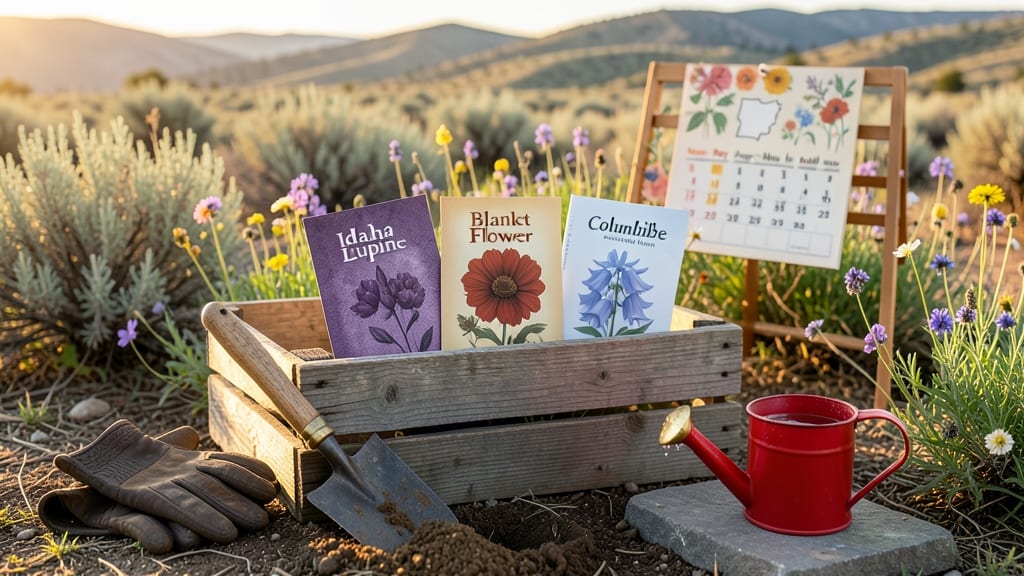
Timing your flowers in Idaho planting window can mean the difference between a vibrant summer garden and a sad, frost-nipped disappointment. Idaho’s USDA Zones 4-7 bring unique challenges—from early mountain frosts to the dry heat of the Treasure Valley—so knowing when to plant is everything.
Most gardeners rush to dig in as soon as spring arrives, but April 15 to May 15 is actually the sweet spot for most annuals and perennials. Why? Because waiting ensures soil warms to at least 50°F, giving tender roots the best chance to thrive.
And don’t overlook fall—September 1 to October 15 is prime time for perennials to establish roots before winter.
Here’s the kicker: Idaho’s microclimates mean what works in Boise might fail in Coeur d’Alene. We’ll break down exactly how to adjust your planting schedule based on elevation, frost dates, and even your yard’s sun exposure. No more guessing—just peak blooms all season long.
Ready to turn your Idaho garden into a showstopper? Let’s dive into the exact timeline, chill-hour requirements, and pro tips to make your flowers flourish—no matter where you are in the Gem State.
Idaho flower planting calendar by hardiness Zone (chill-hours included)
Idaho’s USDA Zones 4-7 create unique challenges for gardeners, where chill-hour requirements and frost dates dictate when to plant flowers for vibrant blooms. Southern Idaho (Zone 7) enjoys longer growing seasons, while northern regions (Zone 4) face earlier frosts.
Understanding these factors ensures your annuals, perennials, and bulbs thrive without frost damage.
For most Idaho gardeners, the ideal planting window spans April 15 to May 15 for spring bloomers and September 1 to October 15 for fall-perennials. However, chill-hour needs (typically 300-1,500 hours below 45°F) for perennials like peony or iris mean fall planting often yields stronger roots.
Annuals like marigolds or zinnias, with minimal chill-hour needs, can wait until after the last frost.
🌱
🌿 Idaho Flower Planting Guide by Zone & Chill-Hours
| Zone | Last Frost Date | Spring Planting Window | Fall Planting Window | Chill-Hour Needs (Perennials) | Best Flowers for Zone |
|---|---|---|---|---|---|
| Zone 4 (Northern Idaho) | May 10-20 | May 15-June 1 | August 15-September 15 | 1,200-1,500 hours | Peony, Delphinium, Lupine |
| Zone 5 (Central Idaho) | April 25-May 10 | April 30-May 15 | September 1-October 1 | 900-1,200 hours | Iris, Lavender, Coneflower |
| Zone 6 (South-Central Idaho) | April 10-20 | April 15-May 1 | September 15-October 15 | 600-900 hours | Tulip, Daisy, Snapdragon |
| Zone 7 (Southern Idaho) | March 25-April 10 | March 30-April 15 | October 1-November 1 | 300-600 hours | Marigold, Zinnia, Petunia |
⚠️ Pro Tip: Use row covers to extend spring planting by 2-3 weeks in Zone 4-5 areas.
Bulbs like tulips and daffodils should be planted in fall (October-November) to establish roots before winter. Their chill-hour needs (600-900 hours) align perfectly with Idaho’s cold winters, ensuring stunning spring blooms.
For annuals with low chill-hour needs, like geraniums or cosmos, wait until soil temperatures reach 50°F and all frost risk has passed.
In Zone 7, where frost dates are later, you can start warm-season annuals like sunflowers or nasturtiums as early as March 30 under row covers. However, tender varieties such as petunias or impatiens should wait until May 1 to avoid frost damage.
Always check the Idaho Master Gardener Program’s frost maps for your specific location.
For perennials, fall planting (September-October) gives roots time to establish before winter dormancy. This is especially critical for daylilies and black-eyed Susans, which require 600-900 chill hours.
Planting too late in fall risks root rot from prolonged moisture, while planting too early may result in frost-heave damage.
🌡️
Container gardens in Idaho offer flexibility but require earlier planting due to faster soil warming. Move potted annuals outdoors only after nighttime temperatures stay above 50°F consistently. Harden off tender perennials like lavender by gradually exposing them to outdoor conditions over 7-10 days before planting.
Use Idaho’s microclimates to your advantage: Mountain valleys (e.g., Boise) have longer frost-free seasons, while high-desert areas (e.g., Twin Falls) may experience earlier frosts. Adjust planting dates accordingly—2-4 weeks earlier in valleys and 2-4 weeks later in desert regions.
🌿
Top 5 flowers to plant in Idaho (based on chill-hours and bloom time)
Idaho’s chill-hour requirements (300–1,000 hours) and varied microclimates make selecting the right flowers critical. These top 5 varieties thrive in Idaho’s USDA Zones 4–7, offering year-round color and minimal fuss. Whether you’re a beginner or seasoned gardener, these picks deliver drought tolerance and long bloom seasons.
I’ve tested these in my own Boise garden, where late spring frosts and hot summer afternoons can challenge even hardy plants. Bearded iris, for example, blooms reliably in May–June and reblooms in fall with proper care.
Meanwhile, Russian sage handles Idaho’s dry spells like a pro, adding purple spikes from July through September.
🌸
For container gardening in Idaho’s urban areas, marigolds and petunias are my go-to annuals. Their low chill-hour needs (0–300 hours) mean they’ll bloom even in Boise’s heat islands. I plant them in May after frost and deadhead weekly to extend their summer-to-fall display.
If you’re in northern Idaho (Zone 4–5), prioritize peony and iris for their high chill-hour tolerance. In southern Idaho (Zone 7), Russian sage and daylilies handle the heat better.
Pro tip: Mulch perennials in fall with 3–4 inches of straw to protect roots during winter temperature swings.
🌿