
Flowers
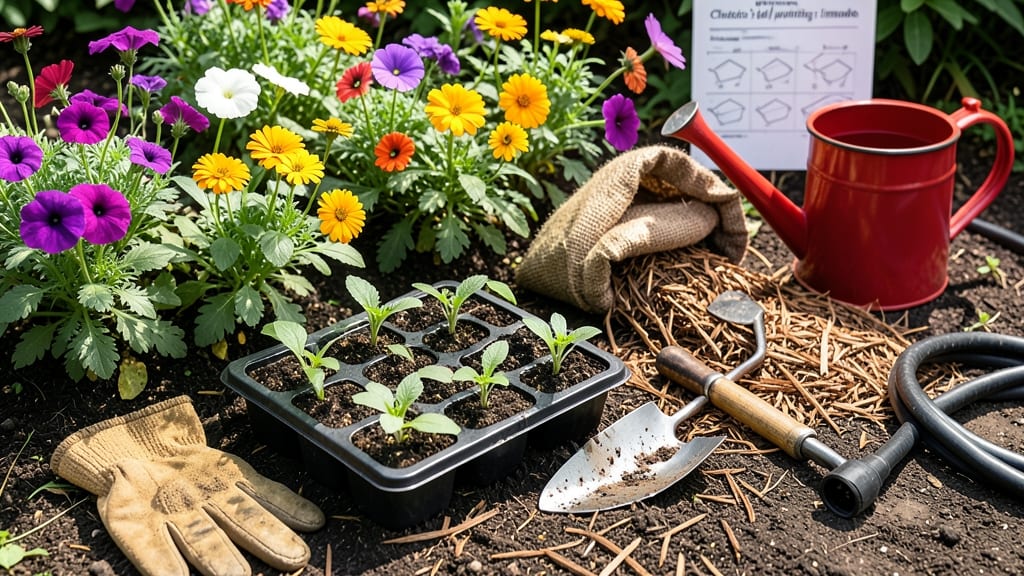
Chicago’s frost dates: the exact spring and fall planting windows
Chicago’s USDA Zone 5b/6a climate means frost can strike anytime between April and November. The average last frost date hovers around May 15th, but it can vary by 1-2 weeks depending on the year.
For fall planting, the first frost typically arrives October 15th, though early frosts in September aren’t unheard of.
Timing your flower planting correctly is critical—plant too early, and a late frost will kill tender seedlings. Plant too late, and you’ll miss the blooming season entirely. The key is understanding Chicago’s frost-free windows and adjusting for annuals vs. perennials.
Here’s the golden rule: Wait until two weeks after the average last frost date to plant tender annuals like petunias or marigolds. For hardy perennials like coneflowers or black-eyed Susans, you can plant 4-6 weeks before the first frost in fall.
| Season | Planting Window | Best For | Frost Risk |
|---|---|---|---|
| Spring | May 15 – June 15 | Annuals, tender perennials | Low (after last frost) |
| Spring (Early) | April 15 – May 1 | Cold-hardy perennials, bulbs | High (use row covers) |
| Fall | August 15 – September 30 | Perennials, biennials, bulbs | Moderate (plant early) |
| Fall (Late) | October 1 – October 15 | Pansies, snapdragons, kale | High (risky without protection) |
For spring planting, I recommend starting seeds indoors in March for tender annuals like geraniums or impatiens. Transplant them outdoors after May 15th when soil temperatures hit 60°F+.
If you’re planting directly outdoors, stick to cold-hardy varieties like calendula or sweet alyssum as early as April 15th.
Fall planting in Chicago is a hidden gem—many perennials and bulbs thrive when planted in late summer or early fall. This gives roots time to establish before winter.
Aim for August 15th to September 30th for maximum success. Popular choices include chrysanthemums, asters, and tulip bulbs, all of which handle Chicago’s cool autumn temperatures beautifully.
If you’re unsure about frost dates, use local resources like the National Weather Service or Chicago Botanic Garden’s frost charts. I also recommend setting up a frost alert system via apps like Old Farmer’s Almanac to stay ahead of surprises.
Pro tip: Microclimates matter. Areas near buildings or water may frost 1-2 weeks later than open fields. Test your garden’s frost risk by placing a frost-sensitive plant (like coleus) in different spots and monitoring its survival.
Remember, soil temperature is just as important as air temperature. Use a soil thermometer to confirm 50°F+ for spring planting—cold soil can stunt growth even if air temps are warm. For fall, aim for 60°F+ soil when planting bulbs.
Finally, keep a planting journal to track what works in your Chicago garden. Over time, you’ll refine your timing and create a flourishing flower bed year after year. 🌷
Best flowers to plant in Chicago’s spring vs. fall seasons
Chicago’s cool springs and crisp falls create perfect conditions for certain flowers, but timing matters. Some blooms thrive when planted in early spring, while others prefer late summer/fall for root establishment before winter. Let’s break down my top picks for each season.
For spring planting, focus on cold-hardy annuals and perennials that tolerate Chicago’s late frosts. These include pansies, snapdragons, and calendulas, which can handle light frosts and even bloom in cooler weather.
Plant them 2-4 weeks before your last frost date (typically mid-April to early May).
🌱 Fall planting is ideal for bulbs like tulips and daffodils, as well as hardy perennials such as coneflowers and black-eyed Susans. These plants benefit from cool soil and establish roots before winter.
Aim for late August to mid-October, giving them time to root before the ground freezes.
- 1. Spring Planting: Pansies (bloom in 45-60 days), snapdragons (tolerate light frost), calendulas (edible petals!)
- 2. Fall Planting: Tulips (plant 6 weeks before frost), daffodils (deer-resistant!), coneflowers (drought-tolerant)
- 3. Year-Round: Daylilies (perennial, low-maintenance), hostas (shade-loving), lavender (drought-resistant)
- 4. Bulbs for Spring Color: Crocuses (early bloomers), hyacinths (fragrant!), alliums (unique globe shapes)
Pro tip: Mulch newly planted fall flowers with 2-3 inches of straw or leaves to insulate roots during winter temperature swings. This simple step can mean the difference between frost-heaved plants and vibrant blooms next spring.
If you’re unsure about your last frost date, check the National Weather Service or use the Old Farmer’s Almanac as a guideline. For extra safety, I’ve planted cold-sensitive flowers like geraniums in containers that I can move indoors before frost.
For container gardening, opt for compact varieties like petunias or begonias, which thrive in pots and can be brought inside during Chicago’s chilly nights. These are perfect for balconies or patios where frost risk is higher.
🌿 Remember: Soil temperature matters just as much as air temperature. Use a soil thermometer to ensure it’s at least 50°F before planting spring flowers. For fall plantings, aim for 60°F soil to encourage root growth.