
Plants
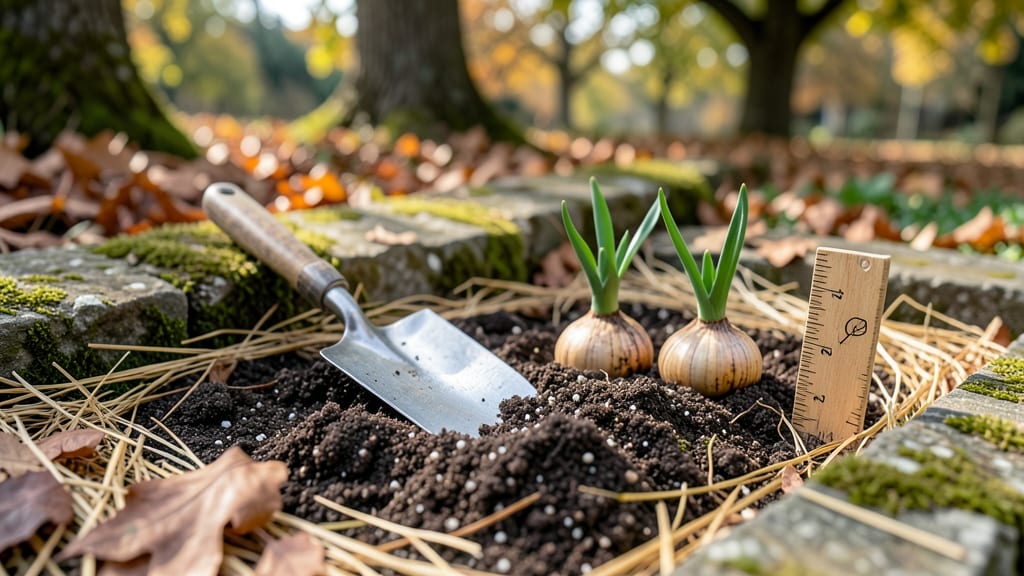
Planting tulip bulbs 🌷 at the wrong time in Australia can mean wasted effort—or worse, bulbs rotting before they even bloom. The key to success lies in understanding your region’s autumn window, where cooler soil temperatures and reduced frost risk create the perfect conditions for root establishment.
Most gardeners in Australia’s zones 8-11 (think Sydney, Melbourne, or Perth) should aim to plant between March and May, but timing varies dramatically between coastal and inland areas. A late start can leave bulbs vulnerable to early frosts, while planting too early risks overheated soil that stunts growth.
I’ve grown tulips across Australia’s diverse climates, and what I’ve learned is that soil temperature is the most critical factor—not just the calendar date. You’ll discover how to test your soil, choose the right bulb varieties for your area, and avoid common mistakes that sabotage spring blooms.
Whether you’re a first-time gardener or a seasoned pro, mastering this autumn planting window will transform your garden from a gamble into a guaranteed display of vibrant spring color. Let’s get your tulips off to the best possible start.
Australia’s best tulip bulb planting months by region (with frost-free zones)
Australia’s climate varies wildly from region to region, making tulip bulb planting a game of timing. Unlike northern hemispheres, we plant in autumn (March–May) for spring blooms—but the exact window depends on where you live.
Get it wrong, and you risk rotten bulbs or missed flowers. Let’s break down the perfect planting months by state, with frost-free zones mapped out.
Southern states like Victoria and NSW have cooler autumns, while Queensland and WA stay warmer longer. Coastal areas also differ from inland zones. For example, Melbourne’s last frost typically hits by mid-June, while Sydney’s coastal breeze delays frost until early August.
Plant too early, and bulbs may sprout prematurely; too late, and they won’t root before winter. Here’s your state-by-state guide to avoid frost risk entirely.
🌷 PRO TIP: Use a soil thermometer—plant when soil temps hit 10–15°C (50–59°F). This ensures bulbs stay dormant until spring.
Notice how QLD and WA plant later? Their warmer autumns mean bulbs need extra time to acclimate before winter rains. Meanwhile, Tasmania’s early window reflects its cooler, wetter climate. Pro tip: In high-rainfall areas (e.g., WA’s southwest), plant on slopes or raised beds to prevent waterlogging.
Another critical factor is bulb variety. Darwin tulips (heat-tolerant) thrive in QLD and northern NSW, while classic Dutch tulips need cooler soils. Check your bulb packaging—some labels even specify "Australian-grown" varieties bred for our climate.
If you’re unsure about your local frost dates, check the Bureau of Meteorology’s frost forecast or ask your local nursery for region-specific advice. Remember: bulbs planted in late autumn may not flower until next year, but they’ll still establish for future blooms.
For container gardening, plant bulbs in well-draining pots with sand or perlite mixed into soil. This mimics Australia’s dry autumns and prevents rot. Use pots with drainage holes and place them in full sun—even balconies in Melbourne or Adelaide can work!
Finally, mark your calendar: autumn equinox (March 20–23) is your last chance in most regions. After that, soil cools too much, and bulbs struggle to root. With the right timing, you’ll enjoy vibrant spring tulips—and maybe even second-year blooms if you’re lucky!
5 Critical signs your tulip bulbs are ready for autumn planting
Timing is everything when planting tulip bulbs in Australia—miss the window, and you risk weak blooms or rotting bulbs. Look for these 5 critical signs to know your bulbs are ready for autumn planting (March-May). These clues help you adjust for early/late seasons and regional differences.
First, check your soil temperature. Tulip bulbs thrive when soil cools to 10-15°C (50-59°F). Use a soil thermometer or press your finger into the ground—if it feels cool but not icy, it’s time. This usually happens in late March to early April in most Australian regions.
Next, observe the leaf drop on deciduous trees like gum trees or elms. When their leaves start falling heavily, it signals autumn’s peak. This aligns with tulip bulb planting time, as both plants respond to cooling temperatures.
In cooler regions (e.g., Melbourne, Tasmania), this might be earlier (March), while warmer areas (e.g., Brisbane, Perth) could wait until April.
Weather forecasts are your third clue. Aim for a 5-7 day window with no rain and mild temperatures (15-20°C). Avoid planting before frost risk in southern states—check the Bureau of Meteorology for local frost alerts. If rain is forecast, delay planting to prevent waterlogged soil.
Examine your bulb condition. Healthy bulbs should feel firm and plump, with no soft spots or mold. If you’ve stored them in a cool, dry place, they’re ready.
Discard any bulbs with shriveled skins or signs of rot—they won’t survive planting. Store-bought bulbs often arrive pre-inspected, but always double-check.
Finally, watch for localized cues. Coastal areas (e.g., Sydney, Adelaide) may experience softer autumns and can plant slightly later (early April). Inland regions (e.g., Canberra, Alice Springs) should plant earlier (late March) to avoid early frosts.
Listen to local gardeners or join groups like Gardening Australia for regional tips.