
Plants
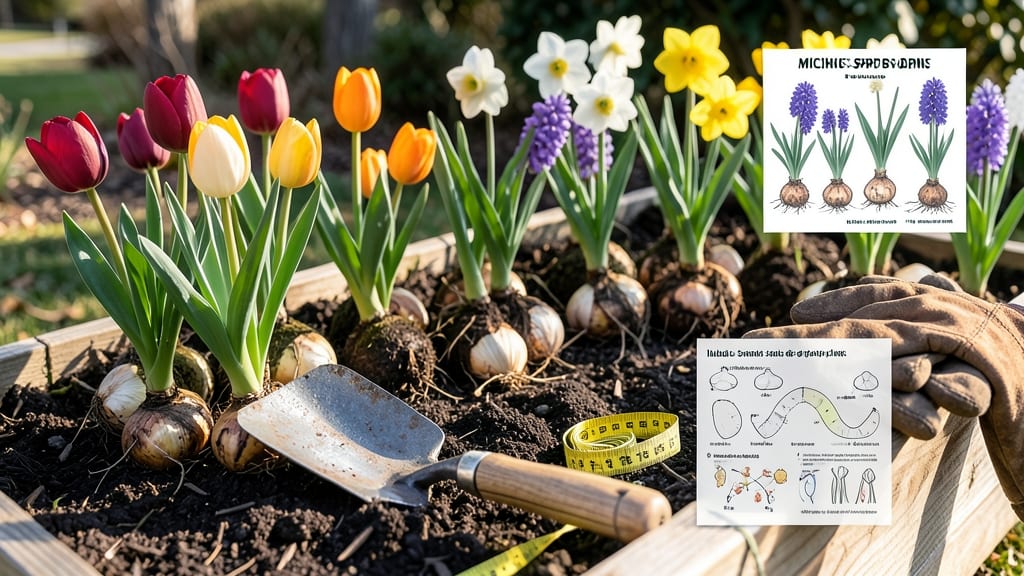
Michigan’s exact last frost dates by region: when to plant bulbs for best results
Michigan’s last frost dates vary dramatically by region—from late April in the Upper Peninsula to mid-May in Southern Lower Michigan. For spring-planted bulbs like daffodils and tulips, timing is critical.
Plant too early, and frost will damage tender shoots; too late, and you’ll miss the 6-8 week growth window before summer heat sets in.
Most Michigan gardeners should aim to plant bulbs 4-6 weeks before the average last frost date. This gives roots time to establish while shoots remain protected. For example, in USDA Zone 5b (Northern Michigan), that means planting by mid-April, while Zone 6b (Southern Michigan) allows until early May.
Here’s how to use Michigan State University’s frost data to pinpoint your planting window. The Upper Peninsula’s last frost often hits by May 10, while Detroit averages May 15. Adjust for your microclimate—valleys and low spots frost later than hillsides.
🌱 Pro Tip: Use Michigan’s Planting Calendar from MSU Extension as your guide. It accounts for soil temperature trends, which are just as important as air temperature for bulb success.
| Region | USDA Zone | Avg. Last Frost | Planting Window | Best Bulbs |
|---|---|---|---|---|
| Upper Peninsula | 5a-5b | May 10 | April 1-15 | Daffodils, Alliums |
| Northern Lower | 5b-6a | May 1-10 | March 25-April 15 | Tulips, Hyacinths |
| Southern Lower | 6a-6b | May 15-20 | April 1-30 | Dutch Iris, Crocus |
🌷 Key: Plant bulbs when soil reaches 50°F (10°C) consistently.
For Northern Michigan gardeners in Zones 5a-5b, focus on cold-hardy bulbs like daffodils and alliums. These tolerate late frosts better than tulips. In Southern Michigan, you can extend your window to include tulips and hyacinths, but avoid planting after May 1—summer heat stresses young shoots.
Soil temperature matters more than air temperature. Use a soil thermometer to confirm 50°F (10°C) at 4-inch depth before planting. Michigan’s clay-heavy soils warm slowly, so don’t rush—wait for consistent warmth to avoid rot.
💡 Regional Tip: In Zone 5b, cover bulbs with straw mulch if a late frost is forecast. This buys 1-2 weeks of protection for tender shoots.
If you’re in Zone 6b, you have flexibility to plant into early May, but prioritize shade-tolerant varieties like woodland phlox or fritillaries. These handle Southern Michigan’s hotter summers better than traditional tulips.
Always check Michigan State University’s Planting Calendar for your specific county. Their data accounts for microclimates—like urban heat islands in Detroit—that can shift frost dates by 1-2 weeks.
🌿 Final Rule: Plant bulbs when you can dig a 6-inch hole and the soil feels like a warm baked potato. That’s your cue!
Step-by-step guide: preparing soil and planting bulbs in Michigan’s spring climate
Michigan’s clay-heavy soils and variable spring temperatures demand special prep before planting bulbs. Start by testing your soil’s pH level—most bulbs thrive in neutral to slightly acidic soil (6.0-7.0). If your soil is too alkaline, mix in peat moss or sulfur to adjust it 2-3 weeks before planting.
Next, loosen the soil to a depth of 12-15 inches using a garden fork or tiller. Michigan’s compacted clay can suffocate roots, so break up clumps and remove rocks. For urban gardeners, container planting is a great alternative—use well-draining potting mix with added perlite or sand.
🌱 Step-by-Step Planting Guide for Michigan Bulbs
- Step 1: Choose healthy bulbs—look for firm, dry specimens with no soft spots or mold.
- Step 2: Dig holes 6-8 inches deep (or 2-3x bulb height for larger varieties like daffodils).
- Step 3: Plant bulbs pointy end up, spacing them 3-6 inches apart (closer for smaller bulbs like crocus).
- Step 4: Cover with 2-3 inches of soil, then top with mulch (straw or shredded leaves) to retain moisture.
- Step 5: Water deeply but gently to settle soil around bulbs—avoid displacing them.
For Northern Michigan’s shorter growing season, opt for shade-tolerant bulbs like woodland phlox or glory-of-the-snow. These thrive under tree canopies where spring sun is limited. In Southern Michigan, full-sun varieties like tulips and daffodils will flourish with 6+ hours of sunlight daily.
After planting, water weekly until shoots emerge, then reduce to every 10-14 days once established. Avoid overhead watering to prevent fungal diseases—instead, use a soaker hose or drip irrigation. In clay-heavy areas, add organic matter (compost or aged manure) to improve drainage.
Pro tip: Mark your planting spots with biodegradable flags to remember where bulbs are located—Michigan’s unpredictable spring weather can make it easy to forget! Let foliage die back naturally after blooming; this feeds the bulb for next year’s flowers.
With these steps, your Michigan spring bulbs will emerge strong and vibrant, ready to brighten your garden from late April through June. 🌷