
Flowers
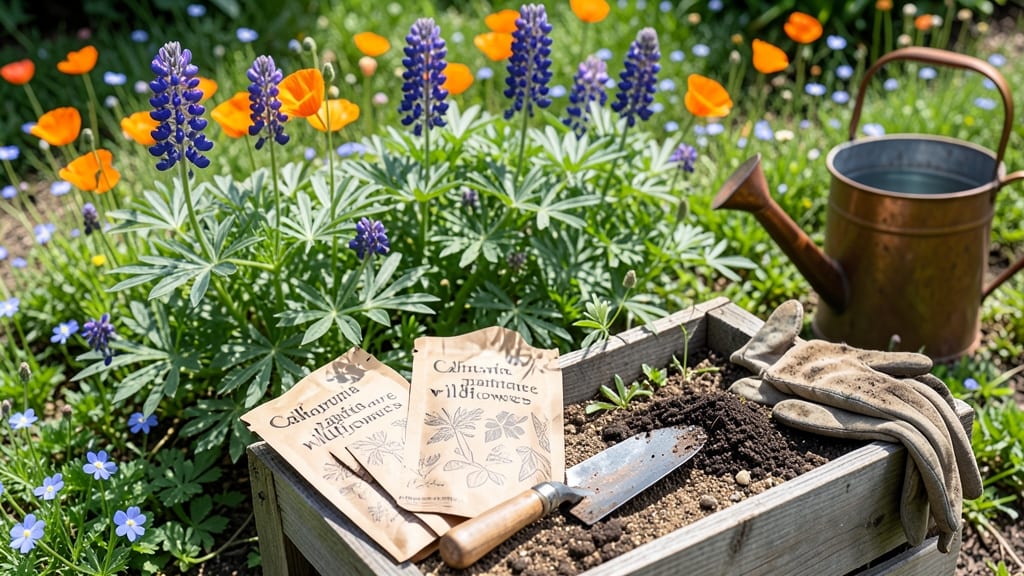
If you’ve ever wondered why your neighbor’s garden bursts with color while yours struggles, the answer might be simpler than you think—it’s all about when to plant flowers in California.
The Golden State’s wild climate swings—from foggy coasts to blazing deserts—mean your planting timeline could shift by hundreds of days depending on where you live.
Let’s cut through the confusion. Whether you’re in chilly Zone 7b or sun-drenched Zone 11, I’ll break down the exact months to sow, transplant, or direct-sow your favorite 🌸 varieties. We’ll tackle coastal fog delays, valley heat waves, and desert droughts—so you can finally get those blooms on schedule.
You’ll discover how to time cool-season flowers for fall rains and warm-season stars for spring sunshine, plus microclimate hacks to adjust for your backyard’s quirks. No more guessing—just a foolproof plan to turn your patch of dirt into a year-round paradise.
Ready to stop second-guessing and start planting with confidence? Let’s dive into the zone-by-zone guide that’ll have your garden thriving no matter where you call home.
California flower planting calendar by coast, valley & desert zones
California’s three distinct growing zones—coastal, valley, and desert—create wildly different planting windows for flowers. While coastal areas like San Francisco (USDA 9-10) enjoy mild winters with no frost risk, inland valleys like Sacramento (USDA 8-9) face occasional chills, and desert regions like Palm Springs (USDA 10-12) bake year-round.
These differences mean your petunias might bloom in February in the desert but wait until April in the Central Valley.
To simplify, I’ve broken down the optimal planting months for both cool-season flowers (like pansies and snapdragons) and warm-season blooms (like marigolds and zinnias) across these zones. Pro tip: Succession planting—sowing seeds every 2-3 weeks—is your secret weapon for nonstop color in California’s long growing season.
🌸
| Zone & Location | USDA Zone | Cool-Season Flowers (Fall-Winter) | Warm-Season Flowers (Spring-Summer) | Key Varieties |
|---|---|---|---|---|
| Coastal (San Francisco, Santa Barbara) | 9-10 | Aug–Oct (direct sow); Sept–Nov (transplant) | Feb–April (transplant); March–May (direct sow) | Pansies, Snapdragons, Calendula, Sweet Peas |
| Valley (Sacramento, Fresno) | 8-9 | Sept–Nov (direct sow); Oct–Dec (transplant) | March–May (transplant); April–June (direct sow) | Lavender, Poppies, Marigolds, Zinnias |
| Desert (Palm Springs, Joshua Tree) | 10-12 | Year-round (succulents); Sept–Oct (cool-season annuals) | Jan–March (transplant); Feb–April (direct sow) | Portulaca, Desert Marigold, Aloe, Succulents |
For coastal gardeners, the key is planting early—by September—to take advantage of mild winter rains and avoid summer heat stress.
In contrast, valley gardeners should wait until October for fall transplants to dodge early frost, while desert gardeners can plant almost year-round thanks to consistent sunshine and minimal frost risk.
One critical rule applies across all zones: Soil temperature matters more than air temperature. Use a soil thermometer—ideal temps for seeds are 60–75°F. In the desert, soil can hit 100°F+ in summer, so shade cloth is your best friend for spring sowing.
Native California flowers like California poppies and lupines are drought-tolerant champions and can be direct-sown in late winter (February) across all zones. These low-maintenance perennials reward patience with vibrant blooms from spring to summer with minimal watering.
🌿
If you’re new to California gardening, start with heat-tolerant annuals like celosia or sunflowers for your first summer planting. These thrive in valley heat and desert conditions with minimal fuss.
For fall color, pansies and sweet peas are foolproof choices—just plant them 6–8 weeks before your first frost (or skip frost dates entirely in coastal zones).
Pro move: Use mulch (straw or wood chips) to lock in moisture and regulate soil temps. In the desert, mulch reduces soil temps by 10–15°F, making spring planting far more successful. In coastal areas, it prevents windburn on young seedlings.
💧
Remember, these are general guidelines. Your specific microclimate—like a sunny south-facing slope or a shady north side—can shift planting times by 2–4 weeks. Next, we’ll dive into how to tweak these timelines for your unique backyard conditions.
How to adjust planting times for microclimates in your backyard
Your backyard might have hidden microclimates that shift planting times by weeks—even within the same city. A south-facing wall can create a heat pocket, while a shady corner stays cooler. Understanding these pockets lets you fine-tune your schedule for longer bloom seasons and healthier plants.
For example, I once planted marigolds in April in my sunniest spot, but they bolted by June. Moving them to a partial-shade area kept them blooming until October.
Start by observing your yard for 30 minutes daily—note where morning sun lingers, where afternoon shade pools, and where wind funnels. Tools like a soil thermometer ($15) reveal when your soil hits the ideal 60–70°F for warm-season flowers.
In my San Diego backyard, the west-facing bed heats up 10°F faster than the east-facing one, so I plant heat-loving zinnias there 2 weeks earlier.
- 🌿 Urban Heat Islands: Cities like LA or Sacramento can be 5–10°F warmer than rural areas. Delay warm-season planting by 1–2 weeks to avoid stress.
- 🏔️ High-Altitude Pockets: Areas like Pasadena or Santa Cruz mountains stay cooler. Plant cool-season flowers (e.g., pansies) in early September instead of October.
- 🌊 Coastal Fog Zones: Near San Francisco Bay, fog delays soil warming. Wait until mid-April for tomatoes and peppers—not March.
- 🪴 Sheltered Microclimates: Fences or buildings create windbreaks. Use these spots for delicate flowers like cosmos and plant 3 weeks earlier.
- 💧 Water Availability: Drought-prone areas (e.g., Central Valley) need drought-tolerant flowers like lavender or succulents. Plant these in fall to establish roots before summer.
Use succession planting to stretch your bloom season. For example, I sow bachelor’s buttons every 2 weeks from March to June in my Sacramento garden. The first batch blooms in May, and the last one keeps going until July.
For cool-season flowers, stagger plantings of calendula and snapdragons in September and October—this ensures continuous color through winter.
Don’t forget to test your soil in multiple spots—pH and nutrients vary wildly. My shady garden nook has acidic soil (pH 5.8), perfect for azaleas, while the sunny patch is alkaline (pH 7.5), ideal for lupines.
Adjust planting times based on soil warmth and moisture retention. For instance, petunias thrive in warmer, drier soil, so I plant them in April in my sunniest beds but wait until May in cooler microclimates.
Pro tip: Label your microclimate zones with stakes or flags. I use colored twine—red for hot spots, blue for cool, and green for moist areas.
This helps me quickly reference planting guides and avoid mistakes. For example, my red-zone beds get marigolds in March, while blue-zone beds wait until April.
Finally, monitor local weather patterns beyond USDA zones. Apps like PlantNet or Old Farmer’s Almanac provide hyper-local frost forecasts.
In 2023**, my San Jose garden had an unexpected frost in November, so I covered tender flowers with frost cloth and delayed spring planting by a week the following year. Staying flexible ensures your garden thrives year-round. 🌱