
Flowers
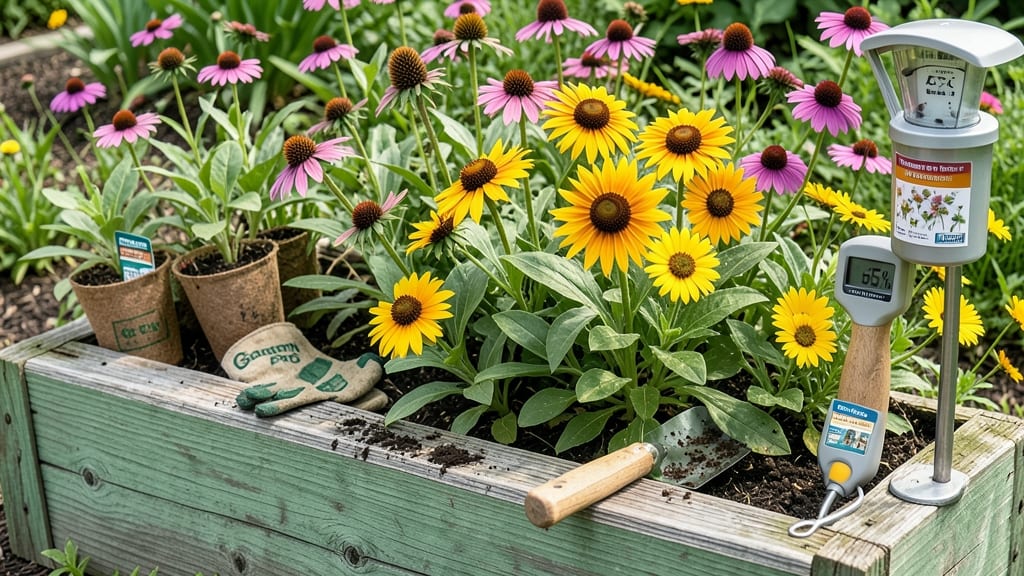
Timing your flower seeds planting in Tennessee isn’t just about following a calendar—it’s about outsmarting the state’s tricky frost dates and soil shifts.
Whether you’re dreaming of vibrant 🌸 marigolds or delicate pansies, planting too early or too late can mean the difference between a lush garden and a sad, brown patch.
Tennessee’s Zone 7A/7B climate gives you two prime windows: late March to early May for spring blooms and August to early September for fall color. But here’s the catch—soil temperature matters just as much as frost dates.
Waiting until the ground warms to at least 60°F ensures your seeds germinate quickly and thrive, not rot.
I’ve learned the hard way that rushing seeds into cold soil or ignoring microclimates (like urban heat islands vs. rural chill) can ruin even the best-laid plans.
The good news? With the right timing and a few pro tips, you can stretch your blooming season from early spring to late fall—no guesswork required.
Ready to turn your Tennessee garden into a year-round showstopper? Let’s break down the exact planting schedule, soil prep secrets, and how to handle those unpredictable Tennessee weather surprises. Your perfect garden starts with the right timing.
Tennessee’s frost-free planting windows by flower type (zone 7A/7B)
Tennessee’s Zone 7A/7B climate offers two prime windows for planting flower seeds: spring and fall.
However, timing varies by flower type—cool-season annuals like pansies thrive earlier, while warm-season zinnias need warmer soil. Last frost dates range from mid-April in Nashville to late April in Knoxville, so always check local averages before sowing.
For spring planting, aim for late March to early May after soil temperatures hit 60°F.
Fall planting should occur between August and early September, giving seeds time to germinate before first frost in mid-October. Perennials like coneflowers can handle cooler soil, while marigolds and sunflowers need warmth to sprout.
Regional microclimates matter! Urban areas like Nashville warm faster than rural Chattanooga, so adjust by 1-2 weeks. Elevated gardens also cool quicker at night—consider using row covers for early spring starts.
Here’s your Tennessee flower planting timeline broken down by type, with frost-free averages for key cities:
| Flower Type | Best Planting Window | Soil Temp Requirement | Notes for Tennessee |
|---|---|---|---|
| Cool-Season Annuals (Pansies, Snapdragons, Sweet Alyssum) | Late February – Early April | 45–55°F | Tolerates light frost; use row covers in Nashville for early starts. |
| Warm-Season Annuals (Marigolds, Zinnias, Sunflowers) | Mid-April – Early May | 60–70°F | Wait until soil warms—test with a thermometer in Chattanooga’s clay soil. |
| Perennials (Coneflowers, Black-Eyed Susans, Lavender) | Late March – Early April (spring) or August – Early September (fall) | 50–60°F | Fall planting gives roots time to establish before winter in Zone 7B. |
| Bulbs (Daffodils, Tulips, Hyacinths) | September – October | 50–60°F | Plant 6 weeks before first frost for Knoxville’s shorter season. |
| Heat-Tolerant Annuals (Portulaca, Lantana, Celosia) | Late May – Early June | 70°F+ | Perfect for summer gaps—direct-sow after warm-season crops. |
Pro tip: Use a soil thermometer to confirm readiness—Tennessee’s clay soil stays cold longer than sandy areas. For container gardening, soil warms faster, so you can plant 2 weeks earlier than in-ground.
For fall planting, focus on cool-hardy varieties like cosmos and calendula, which germinate in 60–65°F soil. Avoid planting after mid-September in Zone 7A, as seedlings may not mature before frost.
Remember: Seed packet instructions often assume ideal conditions, but Tennessee’s humidity and clay soil can delay germination. Soak seeds overnight for slow-germinating varieties like snapdragons to speed up sprouting.
🌱
How to extend your Tennessee flower season with strategic planting
Tennessee’s short growing season doesn’t have to limit your flower garden’s beauty. With strategic planting, you can enjoy continuous blooms from spring through fall—even in Zone 7A/7B. The key? Succession planting, cold-hardy varieties, and heat-tolerant picks that thrive when others fade.
Let’s break down how to stretch your season like a pro.
Start with cool-season flowers like pansies and snapdragons in late February to early March. These tough beauties handle Tennessee’s chilly springs and often rebloom after a light frost. Pair them with early perennials like bleeding heart for a seamless transition into warmer months.
The trick? Plant two batches—one in early spring and another in late summer for fall color.
For warm-season lovers, marigolds and zinnias are your best friends. Sow them 2-3 weeks after your last frost date (usually mid-April), but don’t stop there. Succession plant every 2-3 weeks until early July to keep the blooms coming.
Pro tip: Use heat-tolerant varieties like Mexican sunflower or celosia—they’ll shine when other flowers wilt in July’s scorching heat.
🌸 Want to push your season even further? Try row covers or cold frames for early spring starts. These simple tools add 2-4 weeks of growing time, letting you plant petunias or geraniums as early as March in protected spots.
Just remove covers when temps hit 60°F to avoid overheating. For fall extensions, use them to shield mums or astors from early October frosts.
🌿 Top 3 Tactics for a Longer Tennessee Flower Season
- Succession Plant: Sow warm-season seeds every 3 weeks (e.g., zinnias, cosmos) to avoid blooming gaps.
- Choose Heat-Tolerant Picks: Opt for celosia, portulaca, or Mexican sunflower—they thrive when temps hit 90°F+.
- Use Row Covers: Extend spring planting by 2-4 weeks or shield fall blooms from light frosts.
Don’t overlook perennials like coneflowers or black-eyed Susans. These low-maintenance stars bloom for months and often self-seed, giving you free plants for next year. Plant them in early spring (March-April) for summer-long color, and they’ll reward you with fall interest too.
Pair them with annuals like sweet alyssum for filler between blooms and a pollinator paradise.
Timing is everything in Tennessee’s unpredictable climate. Use local frost dates as a guide, but always monitor soil temps—seeds need 60°F+ to germinate. For late-season blooms, sow heat-loving annuals like gaillardia in July—they’ll keep flowering until first frost.
And remember: Deadhead spent blooms to encourage more flowers and fertilize lightly every 4-6 weeks to keep plants vigorous.
With these smart strategies, your Tennessee garden can bloom nonstop from March to October—no sad brown patches in sight! Start small, experiment with a few succession batches, and watch your flower power grow. 🌼