
Planting
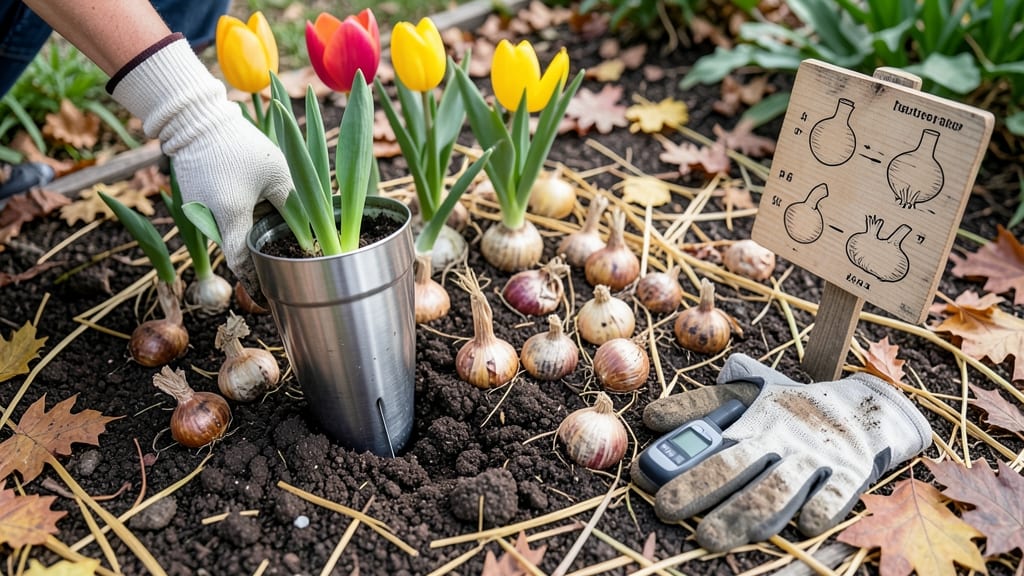
Planting flower bulbs 🌷 at the wrong time in fall could mean skipping next spring’s showstopper blooms entirely—but getting the timing right is easier than you think.
Whether you’re in chilly Zone 6 or a milder climate, the 4-6 week window before frost (mid-September to mid-October in most areas) is your golden opportunity to set up vibrant tulips, daffodils, and more.
I’ve learned the hard way that rushing or waiting too long can leave your bulbs vulnerable to frost damage or premature sprouting. The key isn’t just picking a month—it’s reading your local soil and weather cues to nail the perfect moment.
Let me walk you through exactly how to time it right, so your garden wakes up with color instead of disappointment.
From Zone 6’s crisp air to warmer Southern regions, we’ll break down the ideal planting schedule—and trust me, it’s not as complicated as it seems.
You’ll also discover how to prep your soil, choose the right bulbs for your climate, and avoid the most common mistakes that turn promise into mud.
Ready to turn fall’s cooler days into next year’s springtime magic? Let’s get those bulbs in the ground the right way—once, and for good.
Fall planting months by USDA hardiness Zones: exact timing for perfect blooms
Planting flower bulbs in the fall is all about timing—too early, and they’ll sprout prematurely; too late, and frost will damage them. The key is to plant 4-6 weeks before the first hard frost in your zone.
This window ensures bulbs establish roots before winter dormancy, guaranteeing vibrant spring blooms. For example, in USDA Zone 5, aim for mid-September, while Zone 8 gardeners can plant as late as November.
Your local frost dates are your best guide. Check your USDA zone and plan accordingly—most bulbs need 6-8 weeks of cool soil temps (below 60°F) to root properly. In colder zones (3-5), start earlier (late August to early October), while warmer zones (7-10) can wait until October or even November.
Always verify your last frost date using resources like the Old Farmer’s Almanac or your local cooperative extension.
Here’s the golden rule: bulbs should go into the ground when daytime temps average 60-70°F and nighttime temps drop below 50°F. This balance prevents premature sprouting while allowing roots to grow.
For instance, tulips and daffodils thrive when planted in cool but frost-free soil, while hyacinths and crocuses tolerate slightly warmer conditions.
Southern gardeners in Zones 8-10 often face a unique challenge: mild winters can cause bulbs to sprout too early. To prevent this, plant later in the fall (October-November) and choose heat-tolerant varieties like daffodils or rain lilies.
In these zones, avoid planting before November, as warm soil will trigger premature growth. For example, in Zone 9, November planting ensures bulbs stay dormant until spring.
Northern gardeners in Zones 3-5 should prioritize early planting (August-September) to give bulbs time to root before early frosts. In these regions, tulips and hyacinths need extra care—plant them shallower (4-6 inches deep) in sandy soil to avoid rot.
Always mulch with 2-3 inches of straw after planting to insulate bulbs during winter.
Microclimates can shift your planting window by 2-4 weeks. For instance, a sunny, sheltered slope warms up faster than a shady, low-lying area. If your garden has protected microclimates, delay planting by 1-2 weeks to match the cooler spots.
Conversely, exposed areas may need earlier planting. Use a soil thermometer to test multiple spots—aim for consistent 60°F soil across your garden.
Don’t let rain delays throw off your schedule. Bulbs can wait 1-2 weeks in a cool, dark place (like a garage) if soil is too wet or cold. Just avoid refrigeration—bulbs need to acclimate to outdoor temps gradually.
For example, if heavy rains flood your garden in early October, store bulbs in a paper bag in the basement until conditions improve.
Finally, test your soil before planting. Bulbs thrive in well-draining, slightly sandy soil with a pH of 6.0-7.0. Amend heavy clay with compost or perlite to prevent rot. In acidic soil (pH <5.5), add lime a month before planting.
For instance, daffodils tolerate acidic soil better than tulips, making them ideal for Zones 4-6 with naturally acidic beds.
With these zone-specific guidelines, you’ll plant your bulbs at the perfect time—ensuring bold, reliable blooms
Fall planting months by USDA hardiness Zones: exact timing for perfect blooms
Planting flower bulbs in the fall is all about timing—too early, and they’ll sprout prematurely; too late, and frost will damage them. The rule of thumb is to plant 4-6 weeks before your first frost date, but this varies dramatically by USDA zone and local climate.
For example, in Zone 3 (think Minnesota or Montana), aim for mid-September, while Zone 9 (Southern California) can handle late-November plantings.
Your soil temperature is the real clock: bulbs need 60°F soil to root but won’t tolerate freezing. Use a soil thermometer to check—if temps drop below 50°F, it’s time to plant.
In Northern climates, this often means late September to early October, while Southern gardeners can stretch into November thanks to milder winters.
| USDA Zone | Ideal Planting Window | Soil Temp Trigger | Key Bulbs to Plant |
|---|---|---|---|
| Zones 3-4 | Mid-September to early October | 60-50°F | Tulips, Daffodils, Hyacinths |
| Zones 5-6 | Late September to mid-October | 55-45°F | Crocus, Allium, Snowdrops |
| Zones 7-8 | October to early November | 50-40°F | Lilies, Fritillaria, Anemones |
| Zones 9-10 | November to December | 45-40°F | Cyclamen, Iris, Gladiolus |
Don’t let microclimates fool you—just because your neighbor in Zone 6 plants in October doesn’t mean you should if your yard sits in a frost pocket. Test your soil’s readiness by planting a test bulb (like a crocus) a few weeks before your target date.
If it sprouts before winter, you’re planting too early.
In warmer climates, like Zone 9 or 10, bulbs can even be planted in winter (December-January) as long as the ground isn’t frozen. The key is to avoid summer heat, which stresses bulbs.
For example, in Southern California, gardeners often plant paperwhite narcissus in December for holiday blooms.
Pro tip: If you’re unsure about your frost date, check your local cooperative extension service or use a frost calendar app.
Many nurseries also sell pre-chilled bulbs if you’re planting outside the ideal window—just plant them as soon as you get them home. Tulips and hyacinths are especially sensitive, so don’t wait until November in colder zones!
Finally, adjust for rainfall: If your fall is unusually wet, plant earlier to avoid waterlogged soil, which can rot bulbs.
Conversely, in dry climates, a light watering after planting helps settle the soil. Mulch lightly (1-2 inches) after planting to protect bulbs from temperature swings—just don’t smother them.