
Planting
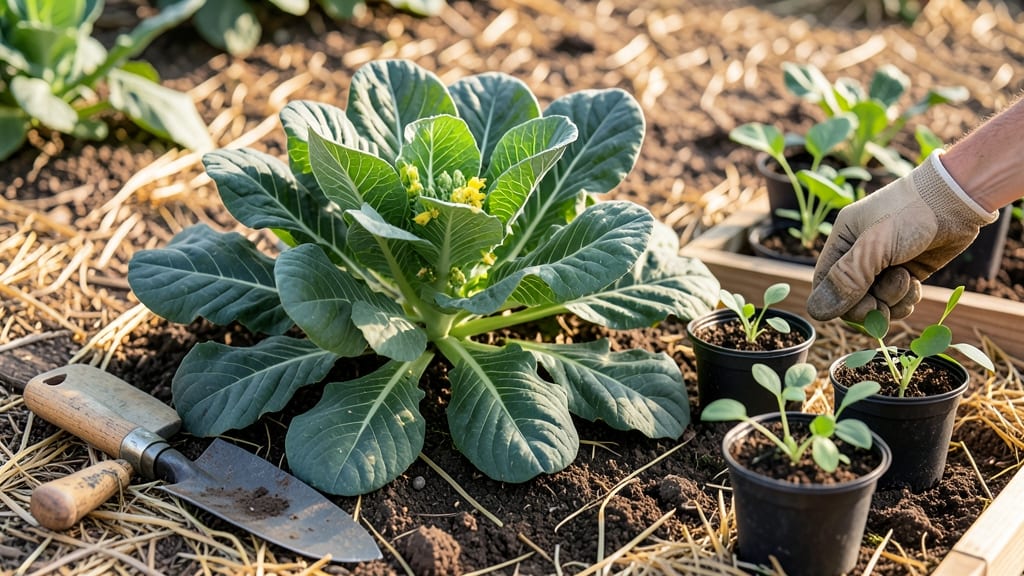
Timing when to plant a fall garden in Louisiana isn’t just about avoiding frost—it’s about beating the heat while the soil’s still warm. Plant too early, and your greens bolt in August’s swelter; too late, and you’ll miss the sweet spot before the first chill.
The key? Starting seeds 6-8 weeks before your average first frost, which in Louisiana typically lands between mid-October and early November, depending on your region.
I’ve learned the hard way that Louisiana’s humid summers demand patience—some crops like malabar spinach and okra thrive in residual heat, while others need cooler soil to germinate. The secret lies in matching varieties to your microclimate, whether you’re in Shreveport’s hotter zones or New Orleans’ coastal breezes.
Let’s break down the exact weeks to plant for a harvest that outlasts the heat.
What sets Louisiana apart? Unlike northern states, we don’t have a long window to wait for cool soil—our summers linger, and fall arrives with a vengeance.
That means prepping your beds early with organic matter to retain moisture, choosing fast-maturing varieties, and knowing which pests (like squash vine borers) still lurk when temperatures dip. Skip these steps, and your garden could fizzle before it flourishes.
Ready to turn your backyard into a fall feast? I’ll walk you through the perfect planting schedule, heat-tolerant crops that actually work here, and a foolproof checklist to outsmart Louisiana’s tricky weather. No more guesswork—just a garden that delivers until Thanksgiving (and beyond).
Louisiana’s fall planting calendar: exact start dates by region and heat zones
Timing your fall garden in Louisiana isn’t just about avoiding frost—it’s about leveraging the state’s humid heat and long growing season before temperatures plummet. The first frost typically arrives between mid-November and early December, but your planting window starts much earlier.
For North Louisiana (like Shreveport), begin late July to early August for heat-tolerant crops, while South Louisiana (New Orleans, Houma) can start as late as mid-August.
Central Louisiana (Baton Rouge, Lafayette) falls in between, with ideal start dates between late July and early August. The key is planting when soil temperatures drop below 90°F but remain above 70°F—this sweet spot ensures strong germination without stressing young plants.
Use a soil thermometer to monitor conditions, as Louisiana’s clay-heavy soils retain heat longer than sandy soils.
Here’s how to align your planting with Louisiana’s microclimates and heat zones for maximum success:
| Region | Ideal Planting Window | Soil Temp Goal (°F) | Key Heat-Tolerant Crops | First Frost Risk |
|---|---|---|---|---|
| North Louisiana (Shreveport, Monroe) | Late July – Early August | 70–85°F | Okra, Sweet Potatoes, Malabar Spinach | Mid-November |
| Central Louisiana (Baton Rouge, Lafayette) | Late July – Early August | 72–88°F | Black-Eyed Peas, Cowpeas, Peppers | Early December |
| South Louisiana (New Orleans, Houma) | Mid-August – Late August | 75–90°F | Tomatoes, Eggplant, Basil | Late November |
For cool-season crops like lettuce or broccoli, wait until September 1–15 to avoid bolting in residual summer heat. These plants thrive when daytime temps drop below 85°F and nighttime temps stay above 60°F. Use shade cloth if planting early September to protect seedlings from afternoon sun.
Extend your harvest by planting succession crops every 2–3 weeks after your initial planting date. For example, sow a second batch of collard greens in early September for a harvest that lasts until January. This staggered approach ensures a continuous supply of fresh produce despite Louisiana’s unpredictable fall weather.
Don’t overlook container gardening for heat-sensitive crops. Move pots to shaded areas during heatwaves (common in late August) and return them to full sun as temperatures drop. This flexibility lets you grow bush beans or kale even in urban areas with limited space.
Protect your investment by monitoring humidity levels. Louisiana’s fall humidity (often 70–80%) can lead to fungal diseases like powdery mildew. Space plants 12–18 inches apart for airflow and apply copper fungicide preventatively if you notice yellowing leaves.
Mark your calendar for September 21–30 as the last window to plant winter squash or turnips. These crops need 90–120 days to mature, so planting after this date risks harvests being cut short by frost. Use row covers to shield young plants from unexpected cold snaps in October.
Remember: Louisiana’s USDA Hardiness Zones 7b–9a mean some areas (like Southwest Louisiana) can support year-round gardening with the right choices. Focus on heat-tolerant varieties and fast-maturing crops to beat the clock before winter sets in.
Common mistakes to avoid when planting a fall garden in Louisiana
Planting a fall garden in Louisiana is rewarding, but even experienced gardeners make costly mistakes. One of the biggest is ignoring soil temperature. Many crops need soil to cool below 85°F before planting—waiting too long risks stunted growth from residual summer heat.
I’ve seen okra and sweet potatoes struggle when planted after September 15 in Central Louisiana.
Another frequent error is overestimating frost tolerance. While Louisiana’s first frost often hits late November, microclimates near water or urban areas can drop earlier. Leafy greens like collards or kale planted too late may bolt or freeze before harvest.
Always check your local frost date—the Louisiana Ag Center provides updated maps annually.
Here’s the visual breakdown of the most critical mistakes—and how to fix them:
⚠️ Louisiana Fall Planting Pitfalls
- Planting too early: Heat-loving crops like okra or black-eyed peas wilt in 90°F+ soil. Wait until soil temps drop below 85°F (usually mid-August in South Louisiana).
- Skipping soil prep: Louisiana’s clay-heavy soil compacts easily. Amend with 2-3 inches of compost and sand to improve drainage before planting.
- Underwatering: Fall humidity tricks gardeners into thinking plants need less water. Root crops like carrots or turnips still require 1-1.5 inches of water weekly.
- Ignoring pests: Squash vine borers and aphids thrive in fall’s mild weather. Use row covers or neem oil proactively.
- Choosing the wrong varieties: Not all cool-season crops thrive in Louisiana’s humid climate. Avoid lettuce varieties prone to bolting; opt for heat-tolerant malabar spinach instead.
🌱 Pro Tip: Test soil pH (aim for 6.0-7.0) and mulch with straw to retain moisture and regulate temperature.
One mistake I see often is planting seeds too deeply. Louisiana’s heavy clay can suffocate seeds if buried more than 2x their width. For example, okra seeds should only go ½ inch deep, while carrot seeds need just ¼ inch of coverage.
Over-deepening delays germination and attracts fungal diseases in our damp climate.
Finally, don’t assume fall weather means less maintenance. Louisiana’s humidity spikes in September can create ideal conditions for powdery mildew on cucumbers or blight on tomatoes. I’ve had to prune plants aggressively and space them wider to improve airflow—something many gardeners overlook until it’s too late.
By avoiding these mistakes, you’ll set your fall garden up for success. Start with soil tests, choose heat-tolerant varieties, and monitor weather forecasts closely. With the right prep, Louisiana’s fall garden can be just as productive as spring—without the summer struggles. 🌿