
Plants
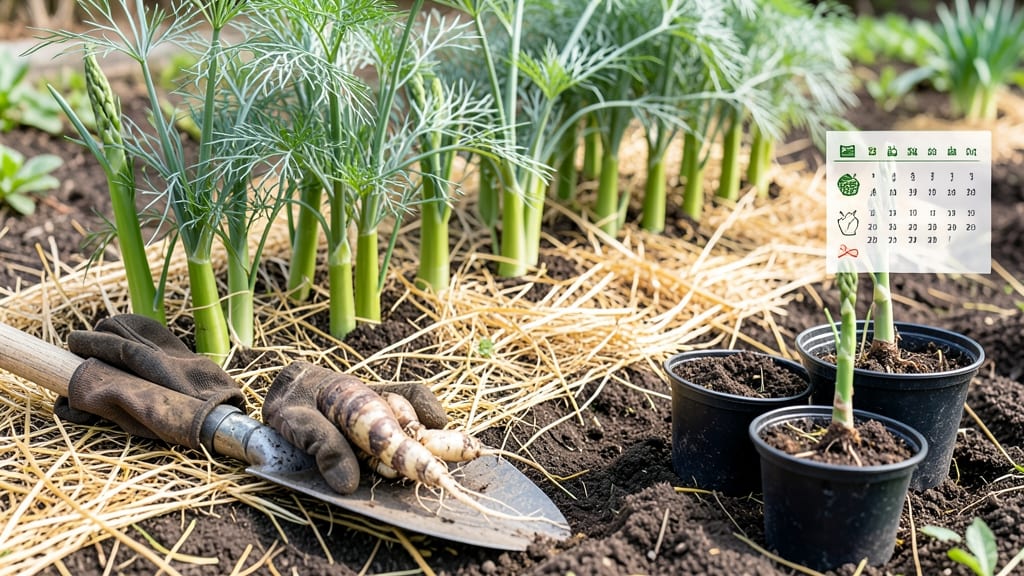
If you’ve ever dreamed of when to plant asparagus in Louisiana straight from your garden, timing is everything—and getting it wrong could mean months of disappointment.
The right planting window in your 8a-9b zone isn’t just about avoiding frost; it’s about leveraging Louisiana’s unique climate to stretch your harvest from spring into summer.
Most gardeners know asparagus thrives in cool soil, but Louisiana’s humidity and unpredictable weather twist the rules. Plant too early, and you risk rot; too late, and your spears won’t mature before the heat sets in.
The ideal window—late winter to early spring—balances moisture, soil warmth, and daylight, but your parish’s microclimate might demand adjustments you haven’t considered yet.
What if I told you there’s a second chance to plant asparagus in Louisiana? Fall planting can extend your harvest into next year’s cooler months, but only if you follow the right steps.
We’ll break down the exact calendar for your region, plus soil prep tricks to outsmart Louisiana’s heavy clay and keep your asparagus productive for 15+ years.
Ready to turn your garden into a year-round asparagus powerhouse? Let’s dive into the planting schedule that’ll have you harvesting spears by March—and keeping them coming all season long.
Louisiana asparagus planting calendar by microclimate zones
Louisiana’s diverse climate—from the cooler hills of North Louisiana to the balmy Gulf Coast—means your asparagus planting window can shift dramatically depending on your parish. Unlike northern states, we don’t have to wait for spring’s last frost; instead, we work with soil temperatures and humidity patterns that favor year-round growth.
For example, Shreveport’s USDA Zone 8a lets you plant as early as February 15, while New Orleans’ Zone 9a extends your window until March 15.
The key to success? Soil temperature must reach 50°F—not air temperature.
In Central Louisiana, this typically aligns with late February, while South Louisiana gardeners can start as early as January 15 in protected beds. North Louisiana may need to wait until March 1 to avoid late-winter frosts that can damage young crowns.
Always check your local frost-free date (usually February 15 statewide) as a backup.
Here’s how Louisiana’s three main microclimates break down for optimal planting timing, including soil prep and frost risk:
| Zone | Ideal Planting Window | Soil Temp Requirement | Frost Risk | Local Adaptations |
|---|---|---|---|---|
| North Louisiana (Zone 8a) | March 1–15 | 50°F+ (late Feb) | High (last frost: Feb 15) | Use row covers for early starts |
| Central Louisiana (Zone 8b) | February 20–March 10 | 50°F+ (early Feb) | Moderate (last frost: Feb 1) | Mulch heavily to retain warmth |
| South Louisiana (Zone 9a) | January 15–February 28 | 50°F+ (Dec–Jan) | Low (rare frosts) | Plant in raised beds for drainage |
For North Louisiana gardeners, the March 1–15 window is critical—planting earlier risks crown rot from lingering moisture, while delaying past March 15 means missing the 60-day growth window before summer’s intense heat.
In Central Louisiana, aim for February 20–March 10 to balance soil warmth with humidity control; use black plastic mulch to speed up soil warming by 2–3 weeks.
In South Louisiana, the January 15–February 28 window takes advantage of mild winters, but heavy clay soils (common in parishes like St. Bernard) require amending with compost to prevent waterlogging.
If your soil stays soggy, opt for raised beds or mound planting to improve drainage. Pro tip: Test your soil’s pH (aim for 6.5–7.0lime to support asparagus growth.
One mistake I see often? Planting too late in spring (after April 1) to chase summer harvests. Asparagus needs cool soil to establish roots—summer planting leads to stunted crowns and poor yields.
Instead, focus on fall planting (August–September) for a winter harvest, though this requires extra mulch to protect crowns from freeze-thaw cycles.
For year-round harvests, stagger plantings: Start with 20% of your crowns in February, another 30% in March, and the final 50% in August. This ensures spears appear March–June (spring) and October–December (fall), with minimal gaps.
Just remember: Asparagus is a 3-year investment—don’t expect spears until year three, but the 15-year lifespan makes it worth the wait.
🌱
How to extend your asparagus harvest season in Louisiana’s heat
Louisiana’s long, hot summers can stress asparagus plants, but with the right strategies, you can enjoy spears well into fall—or even winter in cooler microclimates. The key lies in fall planting, shade management, and smart irrigation to protect your crop from the state’s intense humidity and heat.
For fall planting, aim for September to early October when soil temperatures drop below 85°F. This gives roots time to establish before winter dormancy. In South Louisiana’s hotter zones, consider winter planting (January) when daytime temps stay below 70°F to avoid heat stress.
Shade cloth (30-50%) can be a game-changer during peak summer months (June-August). Stretch it over your asparagus bed to reduce soil temperature by 10-15°F, preventing crown rot. Pair this with drip irrigation set to run early morning to keep roots cool and moisture levels consistent.
Companion planting with basil or marigolds helps deter pests like asparagus beetles, while mulching with straw retains moisture and regulates soil temps. Avoid planting near walnut trees—their roots release juglone, a toxin that stunts asparagus growth.
In North Louisiana’s cooler zones (USDA 8a), you can push harvests into late October with proper care. Monitor soil temps with a soil thermometer—keep them between 50-75°F for optimal growth. If temps rise above 85°F, provide afternoon shade to prevent stress.
For year-round production, stagger plantings: February (spring), September (fall), and January (winter in South LA). This creates a rolling harvest window from March to November, depending on your parish’s microclimate. Just remember—patience is key as asparagus takes 2-3 years to reach full production.
With these techniques, you’ll transform Louisiana’s heat from a challenge into an opportunity for longer harvests and healthier plants. Start small with a 10-foot test bed to refine your approach before expanding.