
Planting
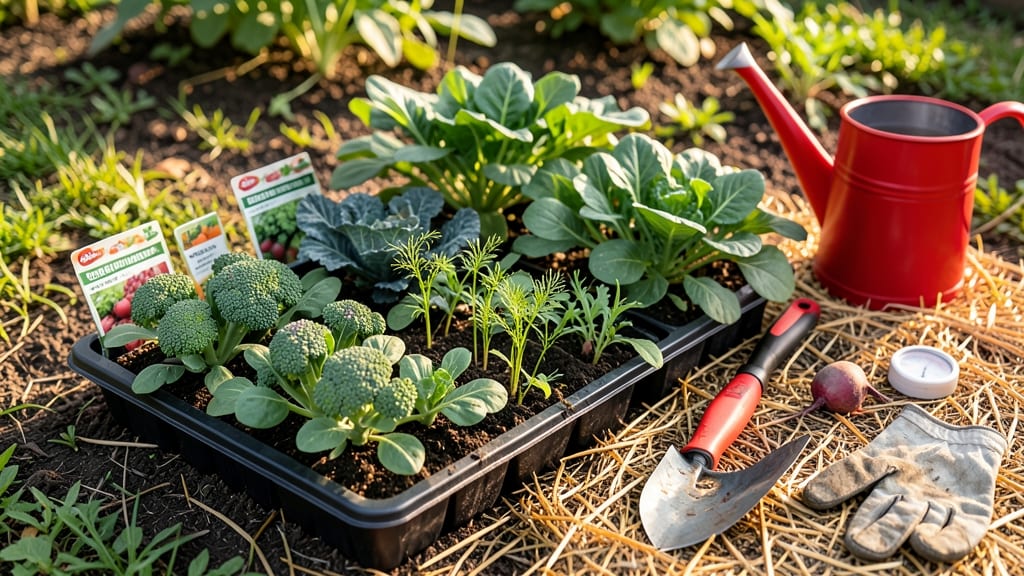
When to plant a fall garden in Alabama isn’t just about luck—it’s about beating the clock before frost hits. Plant too early, and you’ll battle heat and pests; too late, and your harvest arrives just as temperatures drop. The secret? Start 6-8 weeks before your first frost, typically between mid-August and early October, to lock in a thriving garden.
Alabama’s warm climate gives you a longer growing window than most regions, but that means you’ve got to move fast. Whether you’re sowing quick radishes or hardy kale, knowing the exact weeks before frost is the difference between a bumper crop and wasted effort.
I’ll break down the best planting windows for your specific zone—whether you’re in North, Central, or South Alabama—and which crops to prioritize for a fast, stress-free harvest.
Let’s cut to the chase: the right timing isn’t just about dates—it’s about strategy. You’ll learn how to stretch your season, avoid common pitfalls, and pick the perfect fall crops for your Alabama garden. Ready to turn your backyard into a harvest goldmine? Let’s get started.
From broccoli to pansies, I’ll show you which plants thrive in Alabama’s fall heat and how to time your planting for maximum yield. No guesswork, just proven tips to make your garden grow faster and last longer—even when the weather starts to cool.
Alabama’s fall planting timeline: exact weeks before first frost by region
Alabama’s fall planting window is tight—just 6-8 weeks before your average first frost, which varies by region. North Alabama (like Huntsville) typically sees frost by November 15, while South Alabama (Mobile area) may hold off until mid-December.
Central Alabama (Birmingham) usually falls in between, around late November. These differences mean your planting dates should shift by 2-4 weeks depending on where you live.
For most Alabama gardeners, the ideal window to start planting cool-season crops is mid-August to early October. This gives your vegetables enough time to mature before temperatures drop. However, if you’re growing fast-maturing crops like radishes or lettuce, you can push planting to early November in warmer microclimates.
Always check your local USDA Plant Hardiness Zone (Alabama ranges from 7a-8b) for precision.
Here’s how to break it down by region for transplants vs. direct sowing:
| Region | First Frost Date | Transplant Window | Direct Sow Window | Best Crops |
|---|---|---|---|---|
| North Alabama (Huntsville) | Nov 15 | Aug 15–Sep 15 | Sep 1–Oct 1 | Kale, broccoli, carrots |
| Central Alabama (Birmingham) | Nov 22 | Aug 20–Sep 20 | Sep 5–Oct 5 | Spinach, radishes, turnips |
| South Alabama (Mobile) | Dec 10 | Aug 25–Oct 5 | Sep 10–Oct 15 | Collards, mustard greens, lettuce |
If you’re starting seeds indoors, begin 4-6 weeks before your outdoor transplant window. For example, North Alabama gardeners should start indoor seedlings by mid-July for broccoli or cabbage, while South Alabama can wait until early September.
Use grow lights if natural light is limited, as Alabama’s shorter fall days can slow seedling growth.
Pro tip: Use row covers or cold frames to extend your season by 2-3 weeks in cooler microclimates. These tools create a mini greenhouse effect, protecting tender crops like lettuce or cilantro from early frosts. Just
For direct-sown crops like radishes or bush beans, wait until soil temperatures drop below 85°F. Test your soil with a thermometer at 4-inch depth in the morning. If it’s still above 80°F, wait another week—heat-stressed seeds won’t germinate well, and seedlings may bolt or wilt.
Don’t forget to amend your soil before planting. Alabama’s clay-heavy soils benefit from compost or aged manure to improve drainage and fertility. Aim for a pH of 6.0-7.0 for most fall vegetables, and mix in a balanced fertilizer (5-10-10) at planting time.
This ensures your crops have the nutrients they need to thrive despite shorter daylight hours.
Finally, keep an eye on local weather forecasts in late September. If a cold front is predicted, rush to plant fast-maturing crops like turnips or arugula.
These can tolerate light frosts and even taste sweeter after a light freeze—just avoid heavy frost damage by harvesting before temperatures drop below 28°F.
With these region-specific timelines and soil prep tips, your Alabama fall garden will be on track for a bountiful harvest—just in time for holiday feasts! 🥕
Best fall vegetables for Alabama gardens: fast-growing vs. cold-hardy picks
Alabama’s fall garden thrives when you match your planting timeline with crops that handle cool weather and short days. Fast-growing varieties like radishes and bush beans are perfect for late August starts, while cold-hardy kale and broccoli can wait until early October.
The key is balancing maturity speed with frost tolerance—especially in Alabama’s USDA Zones 7a-8b, where frost dates vary by 10-14 days across regions.
For example, leaf lettuce and spinach mature in just 30-45 days, making them ideal for September plantings in North Alabama. Meanwhile, Brussels sprouts (90+ days) need a mid-August start in South Alabama to avoid frost.
Prioritize Alabama-friendly varieties, like ‘Winterbor’ kale or ‘Sweet 100’ tomatoes, which handle humidity better than northern strains.
Fast-Growing Crops (Plant 4-6 Weeks Before Frost)
Days to Harvest: 25-30
✅ Pros: Quick, pest-resistant, great for succession planting
Days to Harvest: 50-60
✅ Pros: Thrives in heat, high yield, easy to grow
Days to Harvest: 30-50
✅ Pros: Edible greens + roots, cold-hardy
Days to Harvest: 30-40
✅ Pros: Nutrient-dense, bolt-resistant varieties available
Cold-Hardy Crops (Plant 6-8 Weeks Before Frost)
Days to Harvest: 50-60
⚠️ Cons: Needs consistent moisture, may bolt in heat
Days to Harvest: 60-80
⚠️ Cons: Slow start, susceptible to cabbage worms
Days to Harvest: 60-70
✅ Pros: Sweetens in cool weather, great for containers
Days to Harvest: 90-100
⚠️ Cons: Long season, needs rich soil
If your planting window is tight (e.g., late September), focus on fast-maturing greens like ‘Black Seeded Simpson’ lettuce (35 days) or ‘Early Wonder’ peas (55 days). For extended harvests, interplant radishes (fast) with carrots (slow).
Alabama’s humidity can stress plants, so choose disease-resistant varieties like ‘Tyee’ broccoli or ‘Red Fire’ turnips, which handle moisture better.
Pro tip: Use shade cloth (30-50%) for late-season plantings to protect delicate greens from midday heat while still allowing full sunlight for photosynthesis. This trick buys you 2-3 extra weeks of growth in Alabama’s warm fall.
Pair shade cloth with drip irrigation to keep soil evenly moist without overhead watering, which can spread fungal diseases like downy mildew.
For herbs, cilantro and parsley thrive in fall but may bolt if days get too short. Start them by mid-September in North Alabama or early October in South Alabama. Dill and chives are more forgiving, handling cool nights and light frosts down to 25°F.
Save seeds from your best performers—Alabama’s mild winters often let biennial herbs like parsley reseed naturally for spring.
Remember: Succession planting is your secret weapon. Sow radishes every 2 weeks from August through September to ensure a continuous harvest before frost. This strategy maximizes your garden space and reduces waste, even in Alabama’s shortened fall season. 🌱