
Plants
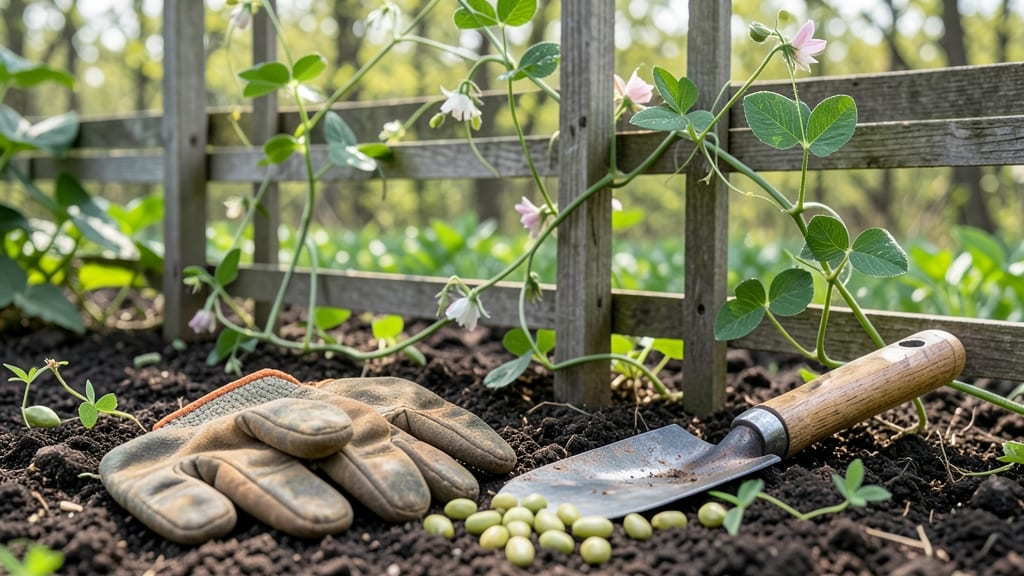
Best planting windows for English peas in Zone 7: exact weeks before last frost
Timing your English pea planting in Zone 7 is all about avoiding late frosts while giving plants enough cool weather to thrive. Unlike heat-loving veggies, peas prefer cooler temperatures (40-75°F) and bolt when summer heat arrives.
My exact strategy? Plant 4-6 weeks before your last frost date—typically mid-February to early March for spring harvests.
Zone 7 gardeners often miss the fall planting window too, but late summer (around August 15) works for cold-hardy varieties like 'Sugar Snap' or 'Green Arrow'. These late-season peas mature quickly before winter sets in, giving you a second harvest in October-November.
The key is checking your average first frost date—most Zone 7 areas see frost around November 15.
Here’s my pro tip: Use a soil thermometer to confirm ground temps are 40°F+ before planting. Cold soil delays germination, and peas won’t sprout below 35°F.
I’ve learned this the hard way—waiting for consistent 50°F+ days ensures strong starts. Pair this with well-draining soil enriched with compost, and you’re set for success.
For spring planting, I recommend dwarf varieties like 'Little Marvel' if space is limited—they mature in 50-60 days and stay compact. But if you’ve got vertical space, climbing peas like 'Wando' or 'Oregon Sugar Pod' produce heavier yields and thrive on trellises.
My go-to method: Sow seeds 1 inch deep, 2-3 inches apart, in rows 18-24 inches apart.
Don’t overlook fall planting—it’s my secret weapon for extending the harvest. Choose cold-tolerant varieties like 'Lincoln' or 'Alaska' and plant them 8-10 weeks before your first frost. These varieties handle light frosts and even snow cover (up to 2 inches), so they’re perfect for Zone 7’s October-November window.
Just avoid planting too late—seeds won’t germinate if temps drop below 40°F.
One critical mistake I’ve seen beginners make? Planting peas too close to summer. By June, daytime temps in Zone 7 often exceed 80°F, causing peas to bolt (flower prematurely) and produce bitter, stringy pods.
To beat the heat, use shade cloth or plant in partial shade during peak summer months. Alternatively, opt for heat-tolerant varieties like 'Tom Thumb' if you must plant in late spring.
Protecting your peas from late-season pests is another game-changer. I swear by floating row covers in early spring and late fall to deter pea weevils and aphids.
These lightweight fabrics let sunlight and water through while blocking pests. Plus, they create a microclimate that can extend your harvest by 2-3 weeks in both spring and fall.
Finally, soil preparation makes or breaks your pea harvest. Peas are legumes, meaning they fix nitrogen in the soil—but they still need phosphorus and potassium to thrive. Before planting, mix in 2-3 inches of compost and a balanced fertilizer (5-10-10).
Avoid fresh manure, though—it can burn delicate pea roots. I also add a thin layer of mulch (straw or grass clippings) to retain moisture and suppress weeds.
With these timing tips and care strategies, you’ll be harvesting sweet, tender peas
Best planting windows for English peas in Zone 7: exact weeks before last frost
In Zone 7, the last frost date typically falls around March 15, but this can vary slightly depending on your exact location. For English peas (Pisum sativum), timing is critical—they thrive in cool spring temperatures but bolt (flower prematurely) when summer heat arrives.
Aim to sow seeds 4-6 weeks before your last frost date for the best results.
For most of Zone 7, this means planting between late February and early March. However, if you live in a warmer microclimate within the zone, you may need to plant even earlier. Always check your local frost-free date to adjust accordingly.
📌 Pro Tip: Use a soil thermometer to ensure soil temperatures are between 40°F and 50°F—this is ideal for pea germination. If your soil is too cold, wait a few more days before sowing.
🌱 Zone 7 English Pea Planting Timeline
| Planting Window | Soil Temp | Action |
|---|---|---|
| Late February | 40°F-50°F | Sow seeds 1" deep |
| Early March | 45°F-55°F | Add trellis support |
| Mid-March | 50°F-60°F | Thin seedlings to 2" |
| Late August | 60°F-70°F | Fall planting for late harvest |
⚠️ Note: Avoid planting after April 15 unless using shade cloth to protect from heat.
Did you know fall planting is also possible in Zone 7? Sow seeds in late August for a cool-season harvest before winter sets in. This works well for cold-hardy varieties like 'Sugar Ann' or 'Green Arrow', which tolerate light frosts.
For successive plantings, stagger seeds every 2 weeks in early spring to extend your harvest. This ensures a steady supply of fresh peas from May through June. Just be sure to provide shade if temperatures exceed 75°F.
If you're unsure about your local frost date, consult the USDA Plant Hardiness Zone Map or check with your local Cooperative Extension Service. They offer hyper-local advice tailored to your specific area within Zone 7.
Remember, English peas are fast-growing—most varieties mature in 60-70 days. Planting at the right time ensures you’ll enjoy a bountiful harvest before the heat of summer arrives. 🌱