
Companion Plants
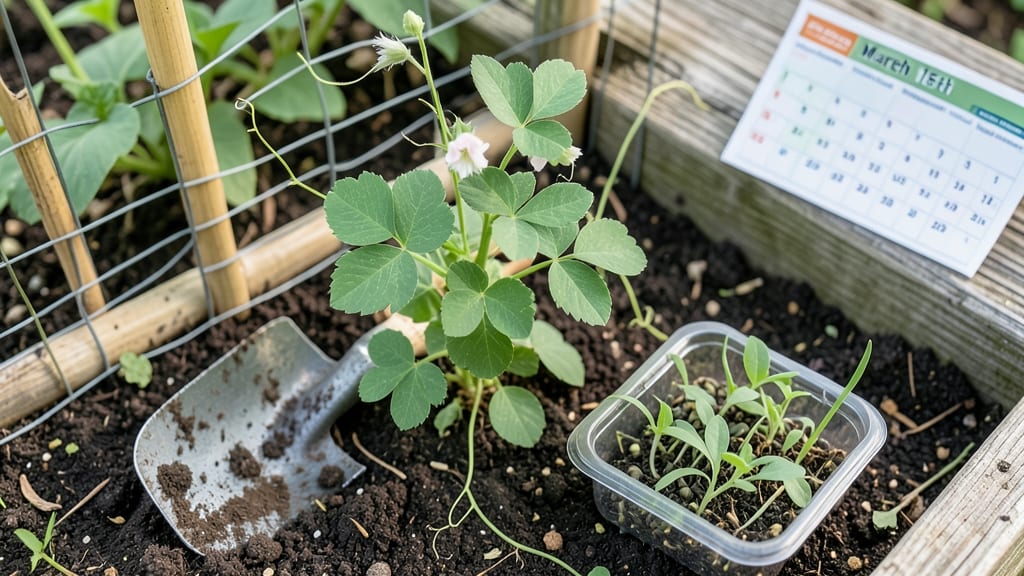
If you're eager to harvest sweet, crisp peas from your garden, timing your planting in Zone 5 is the key to success.
Unlike many vegetables that need warm soil, peas thrive in cool conditions and can be planted as soon as the ground is workable—often weeks before your last frost date.
In Zone 5, where frost lingers until mid-April, planting too early can lead to poor germination, while waiting too long risks missing the ideal window for a summer harvest. The secret lies in understanding your local frost dates and soil temperatures to maximize your peas' potential.
I’ll show you exactly when to plant peas in Zone 5—whether you're aiming for an early spring harvest or a late-summer crop—along with soil prep tips and companion planting strategies to ensure your peas grow strong and productive.
From avoiding common mistakes to adjusting for regional variations within Zone 5, this guide will help you plan your planting schedule like a pro and enjoy a bountiful harvest of fresh, homegrown peas.
Peas planting calendar for Zone 5: exact weeks before last frost
Timing your pea planting in Zone 5 is critical—these cool-weather lovers thrive when sown 2-3 weeks before your last frost date. In Zone 5, that typically means late March to early April for most regions, but northern areas (like Zone 5a) may need to wait until mid-April.
Fall planting is also possible in August to early September for a late harvest.
Peas are frost-tolerant, but soil temperature matters more than air temperature. Aim for 40-50°F soil temps—colder soils delay germination. Use a soil thermometer to check before planting. In Zone 5, this usually aligns with 2-4 weeks after your average last frost date, not before.
Here’s the key: Northern Zone 5 (5a) areas like Minnesota or Upstate New York should plant 4-6 weeks after average last frost, while Southern Zone 5 (5b) regions like Northern Illinois or Missouri can plant 2-3 weeks earlier. This variation accounts for microclimates and frost pockets.
| Planting Window | Zone 5a (Colder) | Zone 5b (Warmer) | Soil Temp |
|---|---|---|---|
| Early Spring | Mid-April | Late March | 40-50°F |
| Fall Planting | Early August | Late August | 50-60°F |
| Succession Planting | Every 2 weeks until May | Every 2 weeks until June | 45-55°F |
For succession planting, sow seeds every 2 weeks until early May to extend your harvest. This works because peas mature in 60-75 days, so staggered plantings ensure a continuous supply.
In Zone 5, fall-planted peas (August-September) can produce pods until first frost in October, giving you a bonus harvest.
Watch for false springs—warm spells followed by frost. If nighttime temps drop below 25°F, cover young plants with frost cloth or row covers. Peas are hardy, but flower buds can be damaged by extreme cold.
In Zone 5, this is especially risky in April, so monitor your local forecast.
Pro tip: Use pea trellises early to save space and improve air circulation, which reduces disease risk in Zone 5’s humid springs. Plant dwarf varieties like 'Little Marvel' if space is limited, but 'Sugar Snap' or 'Wando' perform best with support.
Trellises also help peas climb out of cold, wet soil, which can rot stems.
If you’re in a high-altitude Zone 5 area (e.g., Colorado or Utah), plant 1-2 weeks later than your local frost date. Cooler mountain air delays soil warming. Test your soil’s readiness by pressing your finger into it—if it’s crumbly and not icy, it’s time to plant.
For container growing, use deep pots (at least 12 inches deep) and plant in late April to avoid cold soil. Containers warm up faster than ground soil, so you can start slightly earlier. Just ensure pots have drainage holes to prevent root rot in Zone 5’s damp springs.
Remember: Peas hate competition. Clear the planting area of weeds and loosen soil to 6 inches deep before sowing. In Zone 5, compost or well-rotted manure improves drainage and fertility. Avoid fresh manure—it can burn young roots and attract pests.
How to prepare pea seeds and soil for Zone 5 planting success
Before you rush to plant peas in Zone 5, proper seed and soil preparation can make the difference between a thriving crop and a disappointing one. Unlike many vegetables, peas don’t need warm soil to germinate—they thrive in cool temperatures as low as 40°F (4°C).
However, cold, wet soil can still delay germination or invite rot.
Start by selecting high-quality pea seeds, ideally from varieties suited to your region. Sugar Snap, Snow Pea, and English peas are all excellent choices for Zone 5. Soaking seeds overnight in water can speed up germination, especially if your spring is slow to warm up.
Next, focus on your soil. Peas prefer well-draining, slightly acidic soil with a pH between 6.0 and 7.5. If your soil is heavy clay or compacted, amend it with compost or aged manure to improve drainage and fertility.
A light application of phosphate-rich fertilizer (like bone meal) can also encourage strong root development.
Don’t forget to consider companion planting to boost your peas' growth and deter pests. Pair them with radishes, lettuce, or carrots, which thrive in similar conditions and help break up soil compaction. Avoid planting peas near onions, garlic, or beans, as these can stunt their growth.
Once your seeds are planted, maintain consistent moisture without waterlogging the soil. Mulch around the base of your plants with straw or grass clippings to retain moisture and suppress weeds.
With the right preparation, your peas will be off to a strong start, ready to flourish in Zone 5’s cool spring weather.
Finally, keep an eye on your plants for signs of pea aphids or powdery mildew, common issues in Zone 5. A light spray of neem oil or introducing ladybugs can help keep pests at bay naturally.