
Companion Plants
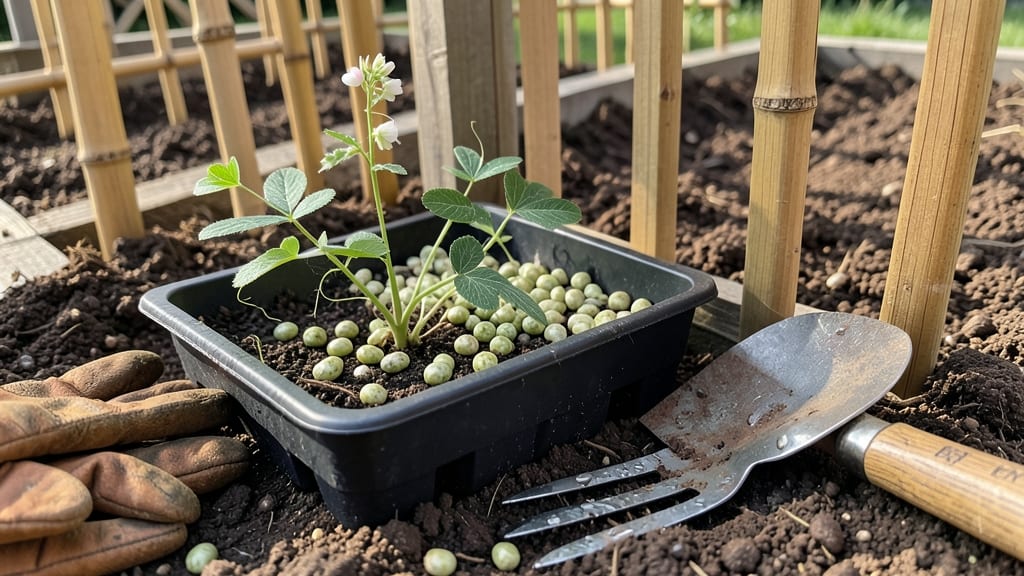
If you're eager to grow your own fresh peas but don't want to miss the perfect planting window in Zone 6, timing is everything. The key to a thriving pea harvest starts with knowing exactly when to plant—whether you're aiming for that first spring crop or a late-summer bounty.
Peas are one of the first cool-season crops you can sow in Zone 6, but rushing too early can leave your seeds struggling in cold, wet soil.
With the right approach, you can enjoy sweet, tender pods from June through July after a spring planting—or even extend your harvest into fall with a late-summer start.
In this guide, I’ll walk you through the exact planting windows for both spring and fall, including the best frost-tolerant varieties for Zone 6. You’ll learn how to time your sowing for optimal growth, avoid common pitfalls, and maximize your yield—no guesswork required.
Ready to turn your garden into a pea powerhouse? Let’s get started with the perfect planting schedule for your climate.
Peas planting timeline in Zone 6: exact dates by variety type
Peas thrive in Zone 6’s cool climate, but planting too early or late can ruin your harvest. The key is timing—aim for 4-6 weeks before your last frost date, which typically falls around April 15 in most of Zone 6.
For my garden, I start seeds indoors in early March or sow directly in late March to early April for a jumpstart.
Zone 6’s average soil temperatures need to reach 40-45°F (4-7°C) for peas to germinate successfully. Cold, wet soil can delay sprouting or cause rot, so wait until the ground thaws and drains well. If you plant too early, your peas may struggle or even fail to emerge.
Peas also tolerate light frosts, making them ideal for early spring planting. In fact, some varieties like Sugar Ann can handle temperatures down to 20°F (-7°C) once established.
This frost resistance gives you flexibility, but don’t push it—avoid planting when soil is waterlogged or temperatures dip below 30°F (-1°C).
For a continuous harvest, I also plant a second crop in late summer (August), about 8-10 weeks before the first frost (around October 15). This fall planting works well for snap peas and snow peas, which mature faster and can handle cooler temperatures.
Here’s the breakdown of your Zone 6 pea planting windows by variety type, including ideal dates and soil conditions:
| Variety Type | Planting Window | Soil Temp | Key Notes |
|---|---|---|---|
| Shelling Peas (e.g., Wando, Lincoln) | Late March–Early April | 40–45°F (4–7°C) | Cold-hardy; plant early for summer harvest. |
| Snap Peas (e.g., Sugar Snap, Oregon Sugar Pod) | Early April–Mid-April | 45–50°F (7–10°C) | Tolerates light frost; harvest in 60–70 days. |
| Snow Peas (e.g., Oregon Sugar Pod) | Late March–Early April or August | 40–45°F (4–7°C) | Fast-growing; ideal for succession planting. |
| All Varieties (Fall Planting) | Late August–Early September | 50–55°F (10–13°C) | Harvest before first frost; avoid late planting. |
If you’re unsure about your last frost date, check your local USDA Plant Hardiness Zone Map or use a frost calendar for your specific city.
For example, in Chicago (Zone 6a), the average last frost is April 15, while in Denver (Zone 5b), it’s closer to May 1. Adjust your planting dates accordingly.
Pro tip: Use a soil thermometer to confirm temperatures before planting. Peas won’t germinate well in soil below 40°F (4°C), even if the air feels warmer. If your soil is too cold, wait a week or two—your peas will thank you with stronger, healthier growth.
For succession planting, sow a new batch every 2 weeks until mid-May to stretch your harvest. This works especially well for snap peas, which mature quickly. Just remember: stop planting by June to avoid heat stress, which can cause peas to bolt or produce bitter pods.
Finally, if you’re growing peas in containers or raised beds, plant them 1-2 inches deeper than you would in the ground. The extra soil helps regulate temperature and keeps roots cooler, which is crucial in Zone 6’s variable spring weather.
Peas planting timeline in Zone 6: exact dates by variety type
Peas thrive in Zone 6’s cool springs and fall seasons, but their planting window depends on variety type and frost tolerance. Shelling peas (like Sugar Ann) can handle light frosts, while snap peas (like Sugar Snap) prefer warmer soil.
Aim for 4-6 weeks before your last frost date—typically March 15 to April 15 in most of Zone 6.
For fall planting, sow seeds 8-10 weeks before first frost (usually August 1 to September 1). This extends your harvest into October or November before winter sets in. Always check your local frost dates—they vary even within Zone 6!
| Variety Type | Planting Window | Soil Temp | Notes |
|---|---|---|---|
| Shelling Peas | March 15–April 15 | 40–50°F | Cold-hardy; plant early |
| Snap Peas | April 1–May 1 | 50–60°F | Wait for warmer soil |
| Snow Peas | April 15–May 15 | 55–65°F | Needs warmth to thrive |
| Fall Planting (All) | August 1–September 1 | 50–60°F | Harvest before frost |
Soil temperature is critical—peas won’t germinate below 40°F. Use a soil thermometer to confirm warmth before planting. If your soil is too cold, wait 1-2 weeks or use black plastic mulch to warm it faster.
Zone 6’s microclimates matter! Urban areas may warm up faster than rural spots. If you’re in a cooler microclimate, stick to early March for shelling peas. For warmer microclimates, you can plant snap peas as early as late March.
After planting, watch for late frosts—they can stunt growth. Use row covers if temperatures dip below 28°F. With the right timing, you’ll enjoy peas from June through October!