
Plants
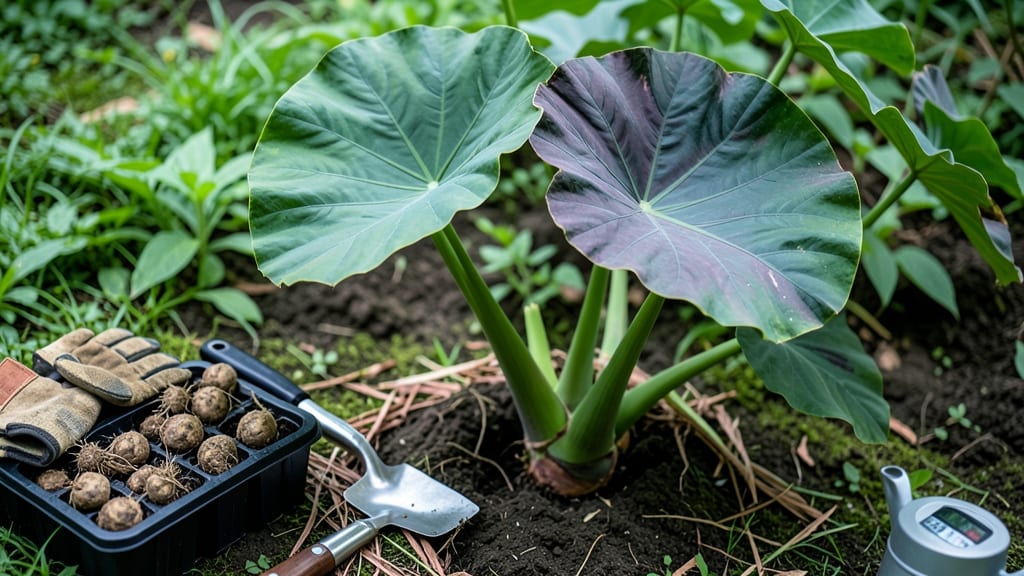
Planting elephant ear bulbs in Missouri at the wrong time means frost-killed dreams before your 🌿 even gets a chance to flourish. These tropical stunners demand warmth, and Missouri’s unpredictable spring can turn your garden plans into a guessing game if you don’t nail the timing.
Most gardeners in zones 5b-6a wait until mid-April to early May, but that’s just the starting point. The real secret? Checking your local frost-free date and soil temperature—because even a light freeze will turn your $20 bulbs into sad, mushy souvenirs.
I’ll walk you through Missouri’s exact planting windows, how to stretch the season with mulch, and why some gardeners swear by black plastic to cheat the clock. No more waiting until it’s too late—just bold, lush foliage from day one.
Whether you’re a first-timer or a veteran gardener, these zone-specific tips will help you avoid the most common mistakes. Let’s get those elephant ears growing like they’re in a tropical paradise—because in Missouri, timing really is everything.
Missouri planting zones & exact frost-free dates for elephant ear bulbs
Elephant ear bulbs (Colocasia and Alocasia varieties) are tropical showstoppers that demand precise timing in Missouri’s variable climate. Planting too early risks frost damage, while waiting too long shortens your summer display.
Missouri spans USDA zones 5b through 7a, with last frost dates ranging from mid-April in northern regions to early April in southern zones. Let’s break down the exact windows for each zone to ensure your bulbs thrive.
First, verify your local frost dates using the Missouri Climate Center’s historical data or your local cooperative extension office. In northern Missouri (zones 5b-6a), average last frost dates fall between April 15-22, while southern Missouri (zones 6b-7a) typically sees frost-free conditions by April 1-10.
Planting 2-3 weeks after your area’s last frost date gives bulbs time to establish roots before summer heat arrives.
Here’s the critical rule: soil temperatures must stay above 60°F (15°C) for at least 2 weeks before planting. In Missouri, this usually aligns with late April to early May, depending on your zone.
Cold soil slows root growth and increases disease risk. Use a soil thermometer to confirm—this small tool saves bulbs from failure.
Missouri’s humidity and summer heat also play a role. While elephant ears love warmth, prolonged temperatures above 90°F (32°C) can stress foliage. In northern Missouri (zones 5b-6a), aim to plant by May 15 to avoid late-season heat stress.
Southern gardeners have until early June, but prioritize planting by mid-May for the best foliage production.
🌱 Pro Tip: If you’re eager to start earlier, use black plastic mulch or row covers to warm the soil faster. These methods can push your planting window 1-2 weeks earlier in cooler zones.
| Missouri Zone | Last Frost Date | Ideal Planting Window | Soil Temp Requirement | Notes |
|---|---|---|---|---|
| 5b (Northwest MO) | April 15-22 | May 1-15 | 60°F+ for 2 weeks | Use mulch to extend season |
| 6a (Central MO) | April 1-10 | April 25-May 10 | 60°F+ for 2 weeks | Best for early blooms |
| 6b (Southwest MO) | March 25-April 5 | April 15-May 1 | 60°F+ for 1 week | Longest growing season |
| 7a (Southeast MO) | March 15-25 | April 1-June 1 | 60°F+ for 1 week | Can plant later for fall color |
Missouri’s microclimates add another layer of complexity. Urban areas like St. Louis (zone 6b) often experience earlier frost-free dates than rural areas due to the urban heat island effect.
Conversely, higher elevations in the Ozarks may delay frost-free conditions by 1-2 weeks. Check local weather stations or ask neighbors with established gardens—their first-year success is your best guide.
Once you’ve nailed the planting window, focus on soil preparation. Elephant ears prefer rich, moist, and well-draining soil with a pH between 6.0-7.0. In Missouri’s clay-heavy soils, amend
How to extend the elephant ear growing season in Missouri’s short summers
Missouri’s summers are short but sweet, and with the right tricks, you can stretch your elephant ear bulbs’ growing season by weeks—even months! Since these tropical plants despise frost, I’ve tested proven methods to give them extra time in the ground. Whether you’re in St. Louis (Zone 6a) or Kansas City (Zone 5b), these strategies will help you enjoy lush foliage longer. Black plastic mulch is my #1 secret weapon. Lay it down 2-3 weeks before planting to warm the soil faster and keep it consistently 10°F warmer than bare ground. This lets you plant 2-3 weeks earlier in spring and delays fall dormancy. Just
🌱 Numbered Highlights: 5 Proven Ways to Extend Your Elephant Ear Season
- Black plastic mulch: Warms soil by 10°F, lets you plant 2-3 weeks early and delays fall dormancy. Cut X’s for planting.
- Row covers: Use lightweight fabric after last frost to protect from late spring frosts. Remove when plants hit 3 ft tall.
- Container gardening: Move pots to sheltered spots or garages in fall. Use 10-inch-deep containers for tubers.
- Overwinter tubers: Dig up bulbs in Zone 5b after first frost, store in cool (40-50°F), dry place until spring.
- Mulch heavily: Apply 4-6 inches of straw or leaves in fall to insulate roots and extend growing season by 3-4 weeks.