
Plants
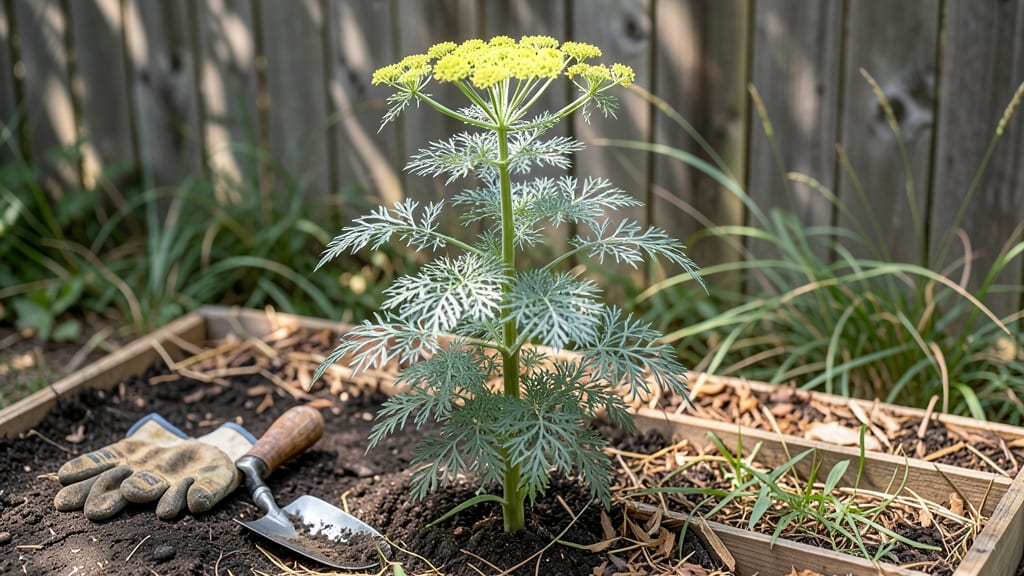
Planting dill at the wrong time in Southern California can turn your fresh herb dreams into a bitter disappointment—because bolting happens fast when temperatures climb too soon. The key to lush, flavorful 🌿 dill all year? Timing your fall starts just right to beat the heat and enjoy harvests from September through November.
Unlike many plants, dill thrives in Southern California’s mild winters but hates the 90°F+ days that trigger early bolting—especially in inland desert zones like Palm Springs (9b-10a) versus coastal areas like San Diego (10a-11).
By planting in late summer (August-September), you give your dill a head start before winter rains and cooler temps slow down growth, ensuring you avoid the dreaded "flower spike" that ruins your harvest.
I’ve learned the hard way that spring planting (February-April) works too, but it’s a gamble unless you’re in cooler microclimates. The real secret? A 3-step fall planting checklist—soil prep, shade cloth for young seedlings, and consistent watering—to keep your dill happy until it’s ready for harvest.
Let’s break down exactly when and how to plant for zero bolting and maximum flavor.
Whether you’re a first-time gardener or a SoCal veteran, these timing tricks will transform your dill from a high-maintenance headache into a low-effort, high-reward herb that keeps giving. Ready to grow dill that tastes like it came straight from a farmer’s market?
Best planting times for dill in Southern California (avoid bolting)
Southern California’s mild winters and long frost-free season create two ideal windows for planting dill: late winter/early spring and late summer/early fall. Unlike northern climates, you won’t deal with frost, but heat stress and bolting become your biggest enemies.
Here’s how to time it perfectly for coastal vs. inland microclimates.
For coastal areas (like San Diego or Santa Barbara), aim for February to March planting—soil warms gradually, reducing bolting risk. Inland zones (like Riverside or Palm Springs) should plant January to February to escape the April heatwave that triggers premature flowering.
Both regions can also plant a fall crop in August-September for harvests before winter rains arrive.
Dill thrives when soil temperatures stay between 50°F and 75°F. Coastal areas hit this sweet spot in spring, while inland zones may need shade cloth during summer to prevent bolting.
The key is avoiding soil temps above 80°F, which sends dill into flowering mode faster than you can say “pickles.”
🌱
| Planting Window | Best For | Soil Temp | Harvest Time | Bolting Risk |
|---|---|---|---|---|
| Late Winter (Feb-Mar) | Coastal areas | 50°F-65°F | April-June | Low |
| Early Spring (Jan-Feb) | Inland zones | 55°F-70°F | March-May | Moderate |
| Late Summer (Aug-Sept) | All regions | 60°F-75°F | Oct-Nov | High (use shade) |
Coastal gardeners enjoy longer harvest windows because cooler ocean breezes delay bolting. Inland areas must act faster—plant dill seeds as soon as soil is workable (around January 15) to beat the heat.
A 30% shade cloth over summer plantings can extend harvests by 2-3 weeks by keeping soil temps below 80°F.
Pro tip: Use slow-bolting varieties like ‘Bouquet’ or ‘Fernleaf’ for inland gardens. These stay leafy longer under heat stress. Pair them with shallow-rooted companions like lettuce or radishes to maximize space in your herb spiral or raised bed.
If you miss the spring window, don’t panic—fall planting is your backup. Sow seeds in late August for harvests before winter rains trigger fungal issues. Just avoid planting after September 15, or your dill may bolt before producing usable leaves.
For year-round dill, stagger plantings every 3-4 weeks from February to September. This ensures a continuous supply of fresh leaves for soups, pickles, or garnishes—without the bitter taste of bolting.
🌿
Best planting times for dill in Southern California (avoid bolting)
Southern California’s microclimates mean coastal areas like Malibu thrive with dill year-round, while inland valleys like Palm Springs need precise timing to avoid heat-induced bolting. The key is planting when soil temps stay below 75°F—ideal for slow, flavorful growth.
Here’s the breakdown for two harvest windows that work in SoCal’s zones 9b-11.
For spring harvests, sow seeds in February to early April when daytime temps hover around 60-70°F. Coastal gardeners can push this to January, but inland areas should wait until March to avoid bolting. The goal? 60-75 days to harvest before summer heat triggers flowering.
Fall planting (my favorite strategy!) starts in late August to early September for a winter harvest. This avoids summer’s 100°F+ soil temps that cause dill to bolt in just 3 weeks. By September, nights cool to 65-70°F, perfect for steady growth.
| Season | Planting Window | Soil Temp | Harvest Time | Best For |
|---|---|---|---|---|
| Spring | Feb-Apr (coastal) / Mar-Apr (inland) | 60-75°F | Apr-Jun | Fresh dill for pickling |
| Fall | Aug-Sep | 70-75°F (max) | Sep-Nov | Winter harvests |
| Winter | Dec-Jan (coastal only) | 55-65°F | Feb-Mar | Risky (bolting likely) |
Inland desert regions (like Coachella Valley) can extend fall planting to October, but use shade cloth if temps rise above 80°F. Coastal areas like San Diego enjoy year-round growth, but even there, summer planting risks bolting—so stick to fall or spring for reliable harvests.
Pro tip: Succession plant every 2 weeks in spring/fall for continuous harvests. For example, sow 20 seeds every 14 days from March to May, then repeat in August-September. This ensures fresh dill when you need it most!
Remember: Dill bolts when stressed—whether from heat, drought, or overcrowding. By timing your plantings to SoCal’s cool-season windows, you’ll avoid bitter, woody stems and enjoy tender, aromatic leaves all year. 🌿